Let's Shape The Future Of Your Investments!
Natoque iaculis cursus augue urna commodo aptent morbi tortor porttitor quis ornare.
![Lithium-ion Battery Manufacturer | BAKTH Battery [Official]](https://bakth-battery.com/wp-content/uploads/2026/05/hideLogo.png)
![Lithium-ion Battery Manufacturer | BAKTH Battery [Official]](https://bakth-battery.com/wp-content/uploads/2026/05/logo.png)
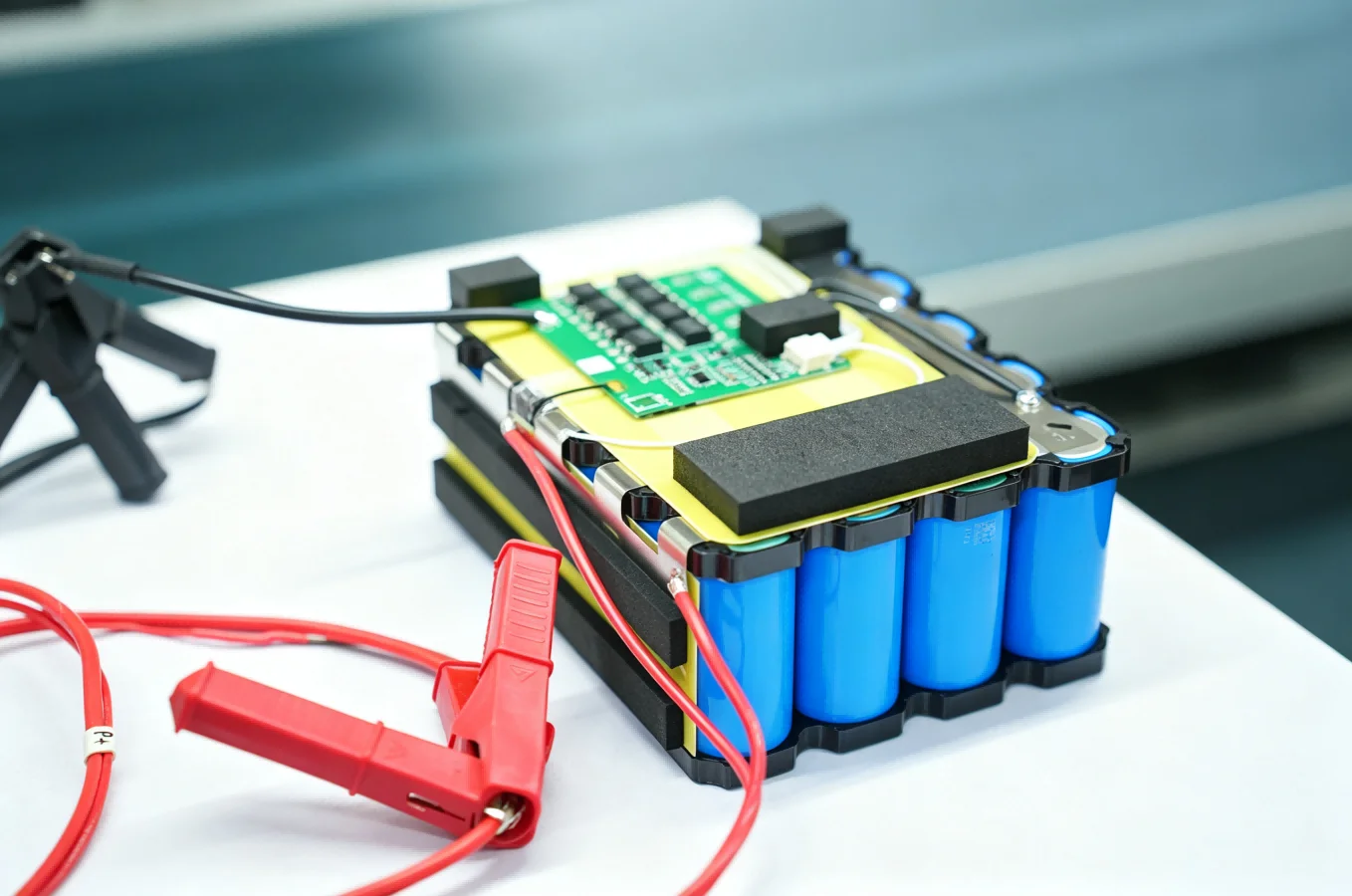
Have you ever picked up your phone while it was charging and noticed that it felt warm? Many users wonder whether heat during charging is normal or a sign of a potential safety hazard.
Although some heat generation is normal during charging, excessive temperatures can accelerate lithium‑ion battery degradation and increase safety risks. This article explains the difference between normal warmth and overheating, explores how high temperatures affect battery performance, and provides practical tips for safer charging.
Heat generation is a natural part of the charging process. As electrical energy is converted and stored in the battery, some energy is released as heat. Fast charging and wireless charging can increase heat generation, so a slightly warm phone is not necessarily a cause for concern.
The actual charging temperature depends on several factors, including the phone model, battery condition, charging speed, ambient temperature, and charger efficiency.
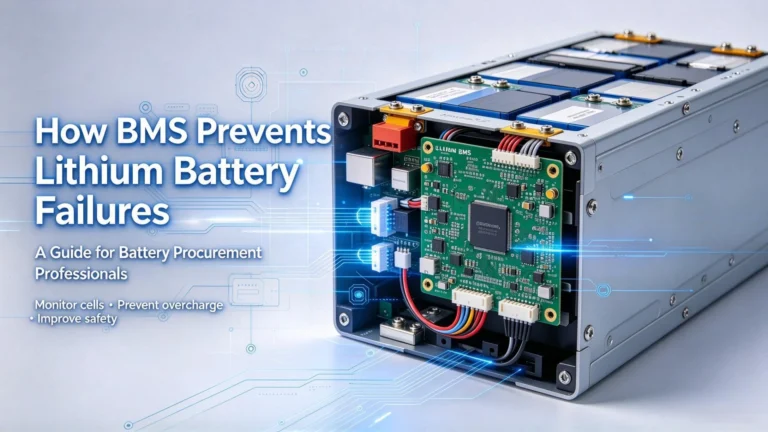
Most smartphones include a battery management system that monitors temperature and adjusts charging performance when necessary. If the device becomes too hot, it may reduce charging speed, pause charging, or display a temperature warning.
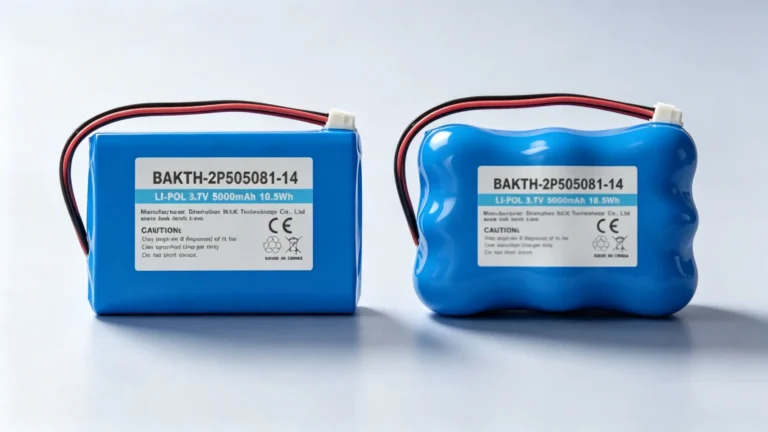
However, prolonged exposure to high temperatures can accelerate chemical degradation inside lithium‑ion batteries. In extreme situations, severe battery damage or thermal runaway may occur. Thermal runaway is a self‑sustaining reaction that can cause rapid heat generation, swelling, fire, or rupture. Although this type of failure is uncommon during normal use, excessive heat and damaged battery cells can increase the risk.
High temperatures are one of the major factors that accelerate lithium‑ion battery aging. Excessive heat can speed up unwanted chemical reactions inside the battery, reduce usable capacity, and increase internal resistance.
As internal resistance increases, the battery may generate more heat during charging and discharging. This can contribute to a cycle of accelerated degradation.
The impact of temperature depends on the battery chemistry, charging conditions, exposure duration, and overall battery design. Therefore, fixed lifespan‑reduction percentages should not be applied to every smartphone or battery pack.
Charging your phone inside a parked car can be particularly risky during hot weather. Even when outdoor temperatures are moderate, direct sunlight can cause the temperature inside a vehicle to rise significantly.
If the phone is exposed to sunlight or placed on a hot surface, its internal temperature may exceed the recommended operating range. This can lead to charging interruptions, faster battery aging, or other safety concerns.
Older batteries may be more vulnerable because degradation can increase internal resistance. If your phone becomes noticeably hotter than it did when it was new, the battery condition, charger, cable, or charging environment may need to be checked.
Thick protective cases may reduce heat dissipation, especially during fast charging or wireless charging. Wireless charging can also generate additional heat when the phone and charging coil are poorly aligned or when the case increases the distance between them.
Removing a bulky case during intensive charging may help improve heat dissipation, particularly in warm environments.
The quality of the charger and cable can affect charging efficiency, temperature, and safety.
Poor‑quality or incompatible chargers may have inadequate protection or inefficient power conversion. Damaged cables, loose connectors, and counterfeit charging accessories can also create localized hot spots and increase the risk of electrical faults.
GaN chargers can offer high power‑conversion efficiency in a compact design. However, efficiency varies by product, charging load, and operating conditions. A GaN charger is not automatically safer simply because it uses GaN technology. Always choose a charger that is compatible with your device and meets applicable safety and certification requirements.
Wireless charging involves additional energy conversion and electromagnetic power transfer. As a result, it can be less efficient than wired charging under certain conditions, with some energy dissipated as heat.
Charging temperature depends on factors such as:
Wireless charging is not inherently unsafe when used with compatible, properly designed equipment. However, users should pay closer attention to heat buildup, particularly in hot environments or during extended charging sessions.
Do not charge your phone in direct sunlight, inside a parked vehicle, or on soft surfaces such as beds, pillows, and blankets. These surfaces may restrict airflow and prevent heat from dissipating effectively.
Place your phone on a stable, unobstructed surface while charging.
Consider removing thick phone cases during fast charging or wireless charging, especially in warm environments. This may improve heat dissipation and reduce heat buildup.
Many smartphones offer charging optimization or charge‑limit features. Limiting the maximum charge level can reduce the amount of time the battery spends at a high state of charge, which may help slow long‑term battery aging.
For example:
The exact options and available charge limits depend on the device model and software version. Follow the manufacturer’s instructions for your specific phone.
Use the original charger or a reputable third‑party charger that is compatible with your phone. Make sure the charger meets the relevant safety standards for your market.
Avoid using cables with:
If your phone displays a temperature warning, disconnect the charger and move the device to a cool, well‑ventilated location.
Allow the phone to cool naturally before using or charging it again. Avoid placing a hot phone in a refrigerator or freezer, as sudden temperature changes and condensation may cause additional damage.
Stop charging and seek professional assistance if you notice any of the following signs:
These symptoms may indicate serious battery or electrical problems.
Do not continue using or charging a phone with a swollen, damaged, or smoking battery. Keep it away from flammable materials and seek assistance from a qualified service provider. Do not attempt to puncture, open, or repair the battery yourself.
Modern smartphones use intelligent charging algorithms to manage charging speed, battery temperature, and charging duration.
Features such as Apple Optimized Battery Charging, Google Adaptive Charging, and Samsung battery protection functions are designed to reduce the time the battery remains at a high state of charge.
Some systems temporarily hold charging at a lower level and complete charging based on the user’s expected usage schedule. This can help reduce long‑term battery stress, although the effectiveness depends on the device, settings, and usage conditions.
New battery technologies, including silicon‑carbon anodes and solid‑state battery designs, are being developed to improve energy density, performance, and safety.
However, their real‑world benefits depend on the complete battery system, including cell design, battery management systems, thermal controls, manufacturing quality, and charging conditions. Development timelines and commercial availability may vary, so future technologies should not be treated as guaranteed solutions to all battery safety issues.
Charging your phone in high temperatures can accelerate battery aging and increase safety risks, particularly when excessive heat is prolonged or combined with a damaged battery.
Mild warmth during charging is generally normal, but excessive or persistent heat should not be ignored.
You do not necessarily need to avoid fast charging or wireless charging. Instead, focus on maintaining a suitable charging environment, using reliable accessories, and enabling your phone’s battery protection features.
These simple habits can help reduce thermal stress, extend battery service life, and support safer everyday use.
A: It is not recommended. Direct sunlight can significantly increase the temperature of your phone and may cause overheating warnings, charging interruptions, or accelerated battery aging.
A: It can help reduce long‑term battery stress. Keeping a lithium‑ion battery at a high state of charge for extended periods may accelerate aging, so a charge limit can be beneficial for users who do not need a full charge every day.
However, charging to 80% does not guarantee that the phone will remain cool. Charging temperature also depends on the environment, charging speed, and device design.
A: Not necessarily. Wireless charging can generate more heat under certain conditions, but it is not inherently unsafe when compatible and properly designed equipment is used.
Avoid charging in hot environments and check whether your phone or charger becomes excessively warm.
A: There is no single temperature that guarantees a lithium‑ion battery will catch fire. Thermal runaway depends on the battery’s chemistry, internal condition, design, damage, and surrounding environment.
Severe overheating can trigger dangerous reactions, but thermal runaway does not begin at exactly the same temperature in every battery. If a battery becomes extremely hot, swells, produces smoke, or emits an unusual odor, stop using it and seek professional assistance.