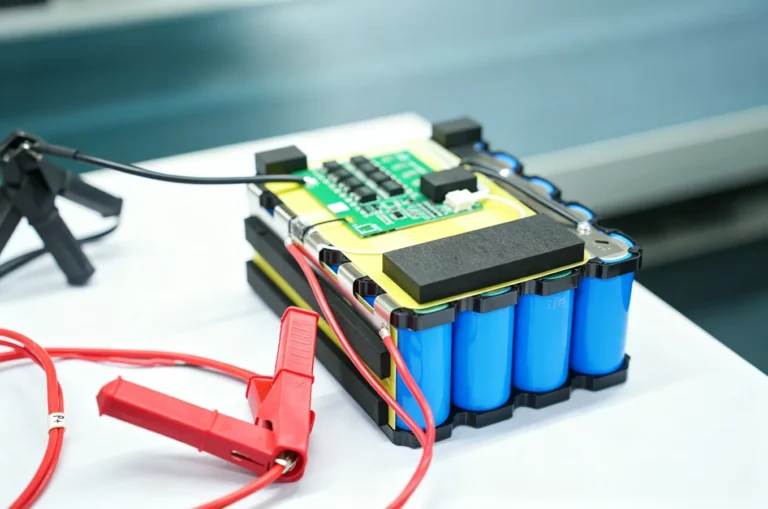
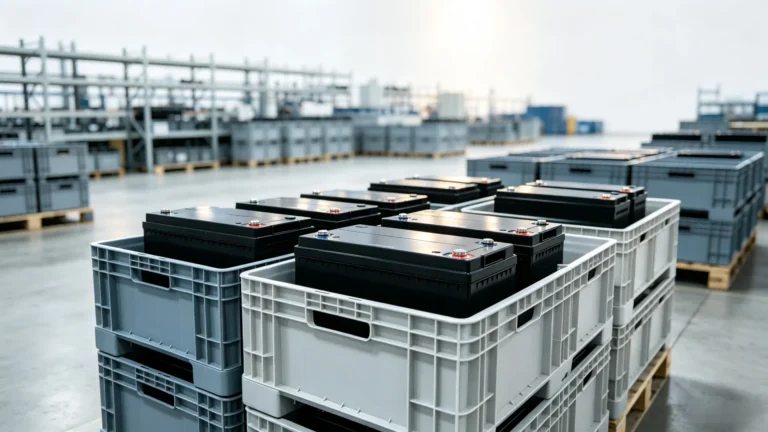
Let's Shape The Future Of Your Investments!
Natoque iaculis cursus augue urna commodo aptent morbi tortor porttitor quis ornare.
![Lithium-ion Battery Manufacturer | BAKTH Battery [Official]](https://bakth-battery.com/wp-content/uploads/2026/05/hideLogo.png)
![Lithium-ion Battery Manufacturer | BAKTH Battery [Official]](https://bakth-battery.com/wp-content/uploads/2026/05/logo.png)
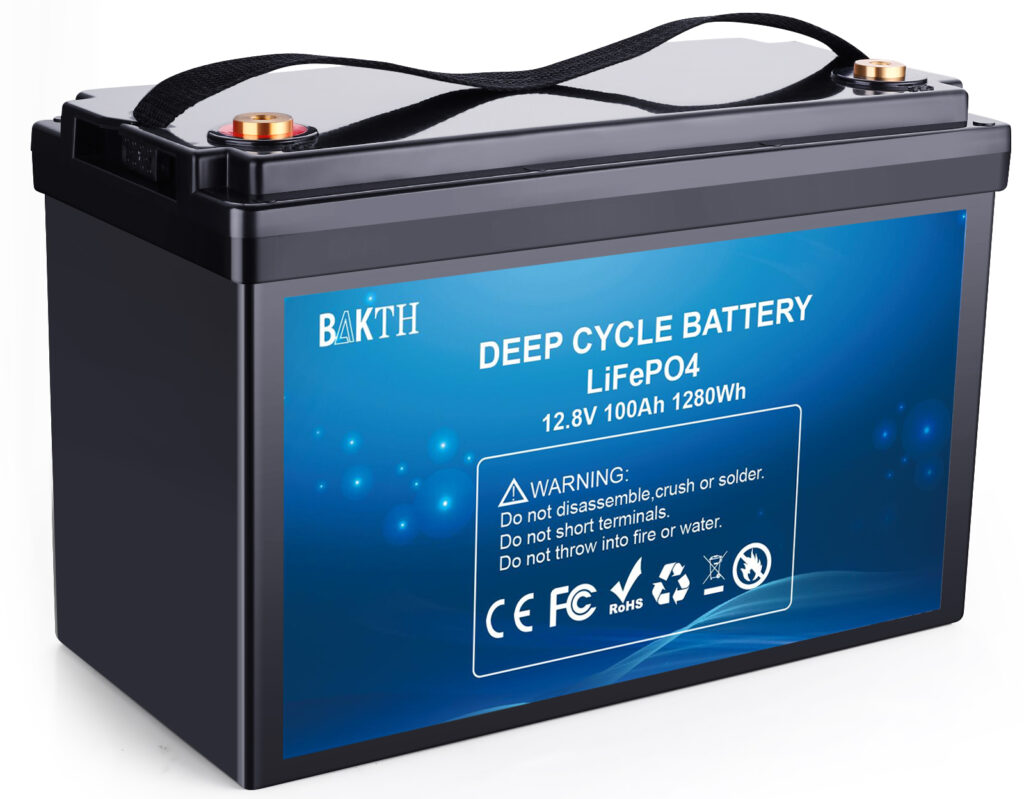
Overcharging is one of the most common and dangerous issues for lithium-ion batteries. It leads to capacity loss, swelling, internal damage and even severe safety incidents. As a professional lithium battery manufacturer serving global wholesalers, OEMs and system integrators, we break down the overcharge mechanism, key warning signs, main causes and practical solutions in this guide. You will learn how to avoid overcharge risks in production, bulk supply and daily application.
Every lithium battery has a fixed safe cut-off voltage. Standard NMC lithium-ion cells stop charging at 4.2V per cell, while LiFePO4 batteries use 3.65V as the upper limit.
Lithium-ion battery overcharge happens when charging continues after the cell reaches its full rated voltage and maximum state of charge (SOC). This problem is especially prominent in series-connected battery packs. Due to slight differences between individual cells, some cells get fully charged earlier, yet the whole pack keeps charging, resulting in partial overcharge.
Many users rely fully on built-in protection systems. While protective parts reduce risks, long-term abnormal charging will still bring irreversible harm to lithium cells.
Under normal charging, lithium ions move orderly from cathode to anode. Once overcharging occurs, the internal chemical balance is completely disrupted, triggering a series of destructive reactions:
Even mild overcharge will raise internal resistance, speed up capacity fading and shorten the overall cycle life of lithium batteries.
Overcharge damage develops gradually. You can spot problems early with these typical signs:
Early-stage signs
Moderate damage
Severe hazards
For Battery Manufacturers & Bulk Producers
For Distributors & End Users
Daily Charging Rules
A: No. Internal damage is permanent. Replace the defective battery.
A: A qualified BMS is reliable but not 100% foolproof. Combine with good charging habits.
A: Keep SOC between 20% and 80%.
A: No. They have different cut-off voltages.
A: Isolate defective units, inspect BMS and chargers, dispose safely.
Lithium-ion battery overcharge is a hidden danger that affects both product performance and operational safety. It is caused by mismatched accessories, faulty protection components, cell imbalance and improper use.
For battery manufacturers, controlling quality from the source with standard BMS, premium materials and strict testing is the key to lowering overcharge rates. For wholesalers, installers and end users, selecting matched chargers and following standardized charging rules can effectively extend battery service life and avoid safety accidents.
As a direct lithium battery factory, BAKTH supplies stable and safe lithium-ion batteries, LiFePO4 batteries, LiPo packs and custom solutions for global B2B clients. We implement complete overcharge protection on all products to reduce your after-sales troubles. Feel free to contact our team for product catalogs and wholesale quotes.