Let's Shape The Future Of Your Investments!
Natoque iaculis cursus augue urna commodo aptent morbi tortor porttitor quis ornare.
![Lithium-ion Battery Manufacturer | BAKTH Battery [Official]](https://bakth-battery.com/wp-content/uploads/2026/05/hideLogo.png)
![Lithium-ion Battery Manufacturer | BAKTH Battery [Official]](https://bakth-battery.com/wp-content/uploads/2026/05/logo.png)
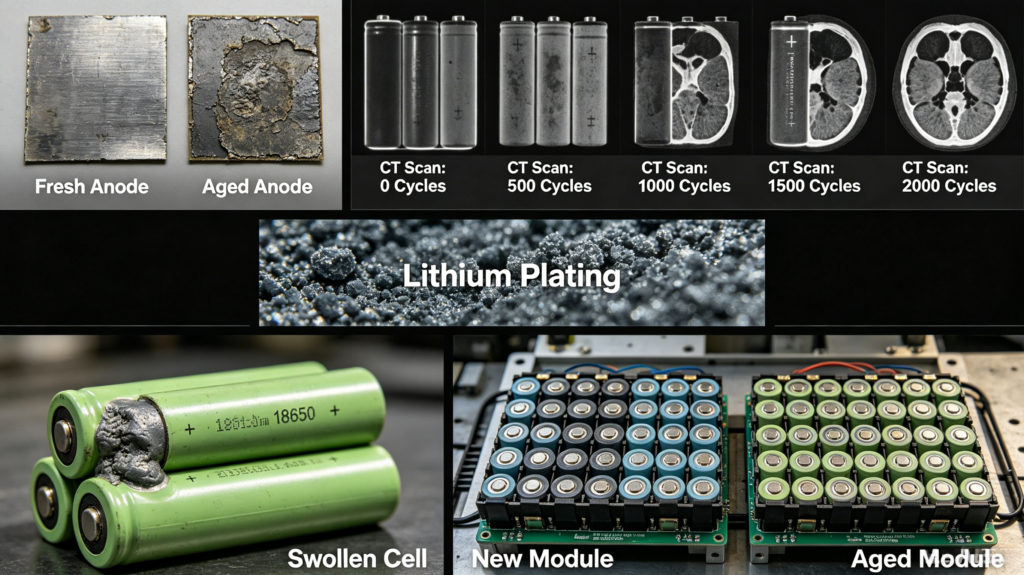
Lithium-ion batteries are the backbone of modern electronics, e-bikes, energy storage systems, drones and countless commercial devices. As a global battery wholesaler, OEM partner or project contractor, you must have encountered this universal issue: brand-new lithium cells deliver stable power and full capacity, but after months or years of use and storage, their runtime shortens, power output weakens and charging speed slows down. This gradual performance decline is known as battery degradation.
Lithium-ion batteries rely on the reversible movement of lithium ions between the cathode and anode to store and release energy. Battery degradation refers to the irreversible physical and chemical changes inside cells during long-term charge-discharge cycles or idle storage, which gradually erode overall performance.
It is an inevitable natural process for all rechargeable lithium batteries. Under standard working conditions (25°C ambient temperature, standard charging and discharging), qualified lithium-ion cells see an annual capacity fade of only 1%–3%. Global large-scale tracking data covering 22,700 electric vehicles across 21 brands also proves that the average annual capacity degradation of mainstream lithium batteries stands at 2.3%. With proper maintenance, premium lithium cells can retain over 80% of their original capacity after 10 years of regular use.
However, inferior raw materials, unreasonable charging habits, extreme environments and improper matching will speed up aging sharply, resulting in severe capacity fade, rising internal resistance and even safety hazards. For B2B players, understanding degradation rules, referring to industry statistics and learning from real failure cases is not only for technical research, but also the key to controlling product quality, optimizing supply chains and safeguarding brand reputation.
The root of performance decline lies in irreversible electrochemical and physical changes inside cells. The four dominant aging mechanisms are widely recognized in the global battery industry:
During the initial charge, a thin, dense Solid Electrolyte Interphase (SEI) film naturally forms on the graphite anode surface. A stable SEI layer protects the anode and prevents side reactions. But with repeated cycles, the SEI film keeps cracking and regenerating, continuously consuming active lithium ions and electrolyte. The thickened film increases internal resistance, slowing ion movement and reducing effective capacity. This is the most common aging cause for all lithium-ion cells. Test data shows that after 1,200 cycles, cells with excessive SEI growth will lose more than 5% of initial capacity.
When charging at high C-rates or in low-temperature environments, lithium ions cannot fully embed into the anode graphite. Instead, they precipitate into metallic lithium dendrites on the electrode surface, forming “dead lithium” that can no longer participate in energy conversion. Lithium plating permanently cuts cell capacity. Worse, sharp dendrites may pierce the separator, triggering internal short circuits and swelling risks. Lab tests indicate that charging below 0°C will raise the probability of lithium plating by over 60%.
The cathode (NCM, NCA, LFP) and anode graphite expand and contract slightly every time lithium ions are embedded or detached. After hundreds or thousands of cycles, repeated deformation causes particle cracking, structural collapse and active material shedding. Once the electrode loses the ability to store lithium ions, the battery’s maximum capacity drops significantly. LiFePO4 electrodes have better structural stability than ternary materials. Under the same cycle times, the capacity loss of LFP cells is about 20% lower than NCM cells.
The electrolyte is the medium for lithium ion migration. Under high voltage, high temperature or overcharge conditions, the electrolyte decomposes and generates gas and inert solid by-products. These by-products block electrode pores and separators, raising internal resistance. Gas accumulation inside sealed packs also leads to cell bulging. Data shows that at 45°C, electrolyte decomposition accelerates obviously, and cell capacity drops by nearly 9% after 1,000 cycles.
Internal aging is inevitable, but external factors are the main culprits that speed up lithium battery degradation. Combined with B2B bulk application scenarios and authoritative test statistics, we summarize five high-risk factors:
Temperature is the most influential factor affecting battery lifespan. Industry research confirms that every 10°C rise in ambient temperature roughly doubles the battery aging rate.
Industry Misconception: Short-term low-temperature use only reduces instantaneous power and range, and will not cause permanent aging. The real damage comes from charging at low temperatures.
Relevant storage and cycle test data clearly reflect the impact of SOC and DoD:
Frequent fast charging is a major factor of premature degradation:
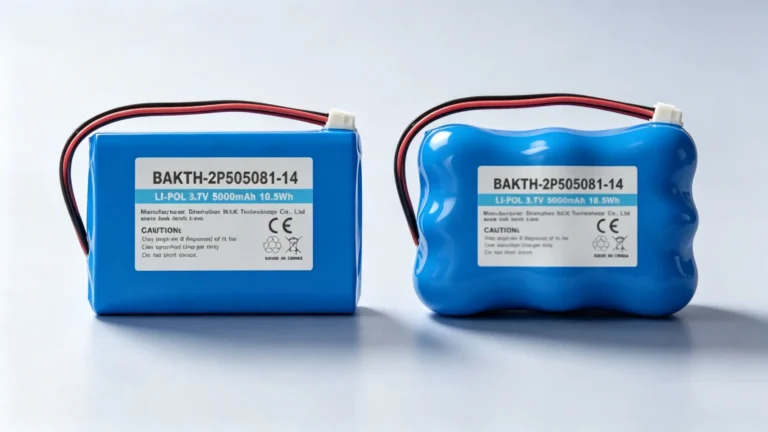
Batteries still undergo slow chemical reactions when not in use (calendar aging). For bulk inventory batteries stored at high temperature and full SOC for 10 months, the comprehensive capacity loss can reach 12%–18%, and individual defective cells will bulge due to gas accumulation.
Battery packs installed on e-bikes, drones and industrial equipment face continuous vibration, which loosens internal connections. Excessive humidity corrodes electrode tabs. In high-humidity working environments, the internal resistance of cells increases by 10%–15% within one year, indirectly accelerating performance decline.
To help B2B buyers intuitively understand how improper use, poor quality and harsh environments cause lithium battery performance loss, we share 5 typical real cases collected from global after-sales records and field tests, paired with corresponding industry statistics for verification. These cases cover mainstream application scenarios of bulk lithium batteries.
A European e-bike wholesaler purchased a batch of 48V LiFePO4 battery packs. End users were used to plugging in chargers overnight after riding, leaving batteries at 100% SOC for 6–8 hours every day. Most bikes were parked outdoors under direct sunlight in summer, with surface temperatures exceeding 40°C.
Data & Result: After 8 months of use, over 30% of the battery packs suffered obvious capacity fade. The actual driving range dropped by nearly 25%. Sampling tests showed the internal resistance of these packs increased by 32% on average, which matched the rule that high temperature plus full SOC will push up the annual degradation rate to over 4%. Post-inspection confirmed continuous electrolyte decomposition and thickened SEI films caused by long-term full charge and high ambient temperature. The wholesaler faced large-scale returns and negative reviews across local markets.
A North American portable power tool brand adopted generic 18650 lithium cells to assemble 18V battery packs. To improve product competitiveness, the company matched high-power fast chargers and encouraged users to fast charge daily.
Data & Result: After 6 months of regular use, the cycle life of these cells dropped sharply. Internal resistance increased by more than 40%, leading to insufficient power during high-load work. This is consistent with statistics that high-frequency fast charging makes the battery degradation rate twice that of slow charging. Random sampling found severe lithium plating on anode materials. The brand had to recall the entire batch and switch to low-rate standard charging solutions.
An Asian battery distributor stocked tens of thousands of 3.7V 18650 cells in a closed warehouse without temperature control. All cells were fully charged to 100% before storage, and remained idle for 10 months. The indoor temperature often hit 38°C in summer.
Data & Result: When reselling the inventory, more than half of the cells had a capacity loss of 12%–18%, in line with the calendar aging data of high-temperature and full-SOC storage. Some cells even experienced slight bulging. This batch of products could no longer be sold as new goods, causing heavy inventory and capital losses.
A distributor supplying battery packs for outdoor drones in Northern Europe received frequent complaints about shortened flight time. Local temperatures often drop below -5°C in winter, and users usually charge drones outdoors directly.
Data & Result: After 3 months of field testing, technicians found obvious lithium dendrites inside the cells. The average capacity of the drone batteries decreased by 20%. According to lab data, charging below 0°C will cause irreversible lithium plating, with a monthly capacity loss of about 6%. Several individual cells triggered BMS protection due to voltage inconsistency.
A low-cost battery pack manufacturer used B-grade recycled cells and cut costs by removing cell balancing functions on BMS. These packs were sold to multiple small-scale energy storage projects.
Data & Result: Within 1 year, the series-parallel packs appeared severe cell imbalance. The overall capacity faded by 28%, far higher than the 2.3% average annual degradation rate of qualified products. Individual weak cells degraded rapidly, dragging down the performance of the whole pack. The overall system frequently shut down abnormally, and three packs had bulging failures. The project owner terminated the cooperation and claimed compensation.
Key Takeaway from All Cases & Statistics: Most battery performance decline is not caused by normal aging. Over 70% of premature degradation cases stem from poor cell quality, flawed BMS design, inappropriate charging habits and harsh operating environments.
For B2B inspectors and warehouse managers, these intuitive signs help quickly screen aged or defective cells during sampling inspection and after-sales handling, combined with reference data for judgment:
Different lithium materials have distinct aging resistance. Combined with 5-year long-term tracking data of 500,000 vehicles, this table clearly shows their degradation differences, serving as an important reference for your product line planning and bulk procurement:
| Battery Type | Annual Degradation Rate | 5-Year Cumulative Capacity Loss | Average Cycle Life (80% SOH) | Anti-Aging Performance | Suitable Scenarios |
|---|---|---|---|---|---|
| LiFePO4 (LFP) | 1%–2% | 22.7% | 2000–4000 cycles | Excellent | Energy storage, e-bikes, long-cycle fleet equipment |
| NCM/NCA Ternary Lithium | 2%–3% | 28.4% | 1000–2000 cycles | Good | Drones, high-density portable devices |
| Ordinary 18650 Lithium | 2%–4% | 35%+ | 500–1000 cycles | Average | Low-power consumer electronics |
| Lead-Acid | 4%–6% | 40%+ | 300–500 cycles | Poor | Low-cost legacy equipment |
B2B Procurement Tip: For products requiring long service life and low after-sales rate, prioritize LiFePO4 cells; for lightweight and high-energy-density scenarios, select high-quality ternary lithium with complete BMS protection.
Uncontrolled lithium-ion battery degradation will bring a chain of economic and reputational risks to your business:
Combining procurement standards, storage management and user guidance, we propose full-cycle optimization strategies for B2B buyers to slow lithium battery aging effectively, based on verified test data:
For fleet battery packs and large energy storage systems, arrange periodic sampling tests on cell voltage, internal resistance and SOH every 3 months. Replace severely degraded individual cells (capacity loss over 10%) in time to avoid affecting the whole pack.
A: No. Degradation is an inevitable electrochemical process of lithium batteries. But with high-quality cells, standardized use and storage, we can control the annual degradation rate within 1%–2% and extend the service life by more than double.
A: The main reasons include inconsistent raw cell quality, BMS configuration differences, and diverse application environments (temperature, vibration, charging habits). According to statistics, the degradation gap between products used in high-temperature and low-temperature areas can reach 2–3 times. Batch sampling inspection is necessary for bulk orders.
A: Yes. Refurbished cells have already undergone multiple cycles, with damaged electrodes and thickened SEI films. Their annual degradation rate is generally above 4%, far higher than new A-grade cells, so they are not recommended for formal bulk sales.
A: Under one full cycle per day and moderate temperature (25°C), the capacity loss of qualified lithium cells after one year should not exceed 3%. If the capacity fades by more than 10% within half a year, it belongs to unqualified products.
A: Strengthen low-temperature charging protection on BMS, and add thermal insulation structures to the pack. Remind end users to warm up the battery above 5°C before charging in cold weather, which can reduce lithium plating risk by over 50%.
Lithium-ion battery performance degradation is an inevitable natural law, but its speed is fully controllable. Combined with authoritative industry statistics and real industry cases, we can clearly see that inferior raw materials, simplified protection, extreme environments and improper charging are the four major culprits for accelerated aging.
Standard lithium batteries only lose 1%–3% capacity per year under ideal conditions, while improper operation will push the figure to 4% or even higher. For global B2B battery buyers, the core logic of risk control is controlling quality at the source + standardizing post-sale management. Choosing reliable manufacturers and A-grade cells, matching complete BMS protection, and formulating unified storage and usage rules can effectively slow battery aging, reduce after-sales costs and enhance market competitiveness.
As a professional lithium battery manufacturer serving global B2B clients, BAKTH strictly controls cell quality and production standards. Our LiFePO4, ternary lithium and 18650 cells all have stable anti-aging performance, and we provide targeted configuration suggestions for different regional climates and application scenarios. We support sample testing, bulk orders and OEM customization. Welcome to contact our team for detailed product parameters and wholesale quotes.