Let's Shape The Future Of Your Investments!
Natoque iaculis cursus augue urna commodo aptent morbi tortor porttitor quis ornare.
![Lithium-ion Battery Manufacturer | BAKTH Battery [Official]](https://bakth-battery.com/wp-content/uploads/2026/05/hideLogo.png)
![Lithium-ion Battery Manufacturer | BAKTH Battery [Official]](https://bakth-battery.com/wp-content/uploads/2026/05/logo.png)
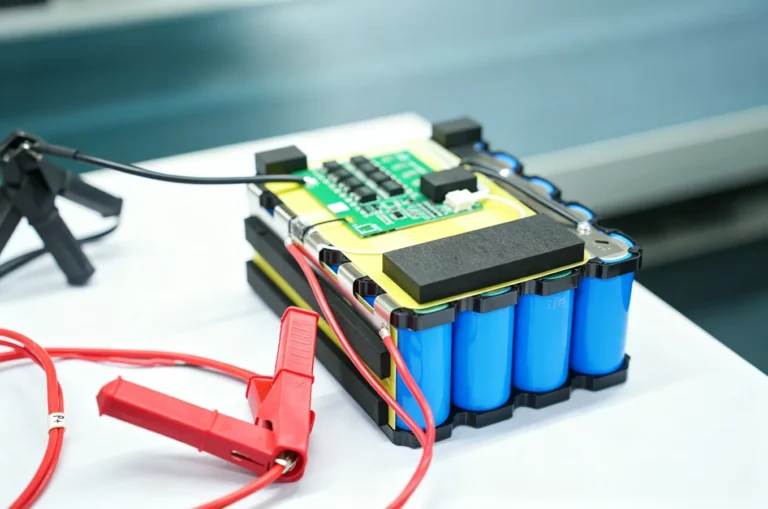
Lithium-ion batteries power nearly every portable device we rely on: smartphones, laptops, electric scooters, construction power tools, drones, RV storage and electric motorcycles. Every lithium cell comes with a rated cycle life — the total number of full charge-discharge rounds before its usable capacity falls below 80% of factory original performance.
Most consumer-grade lithium-ion batteries are rated for 300–500 full cycles under ideal lab conditions. But real-world user behavior often cuts that number in half, leaving you with weak battery range and costly early replacements.
Many people assume battery fade is just inevitable wear, but most premature cycle loss stems from avoidable daily mistakes. This guide breaks down every major factor that shortens lithium battery cycles, explains the internal chemical damage each habit causes, and shares simple, proven methods to stretch your battery’s service life for years longer.
Before understanding what wears cycles down, it’s critical to know how manufacturers measure cycle life.
A full charge cycle counts as one complete loop: discharging from 100% all the way to 0%, then fully recharging back to 100%. Partial top-ups do not count as full cycles — draining 50% twice equals just one full cycle total.
If your laptop originally holds an 8-hour charge but only runs 5 hours after one year of use, its cycle life has degraded significantly. Small daily choices like charging an e-motorcycle overnight or leaving a drone battery sitting drained in a hot garage compound damage over months, turning a potential 800-cycle lifespan into under 400 usable cycles.
Identifying the root causes of shortened cycle life lets you adjust routines to delay capacity loss and get full value out of every lithium battery you own.
High temperature is the single biggest factor that prematurely shortens lithium battery cycles. Once ambient temperature climbs above 30°C (86°F), internal electrochemical side reactions speed up exponentially, breaking down liquid electrolyte and cracking delicate electrode layers inside each cell.
Your phone warming up during gaming or video streaming is a visible sign heat is eating away at cycle life unseen. Real-world field tests confirm:
Construction workers frequently make the mistake of leaving power tool battery packs locked inside sun-baked work trucks all day, causing irreversible cycle degradation that shortens tool runtime.
Quick fix: Always charge, use and store lithium batteries in shaded, well-ventilated spaces with moderate room temperature to slow thermal aging.
Overcharging and deep full discharge act like constant mechanical stress on lithium cell internals, rapidly cutting total cycle life.
For example, a power bank discharged completely down to 0% every single day can drop its usable cycle rating from 400 to under 200 within just a few months. The common complaint of “my laptop battery drains faster each week” almost always traces back to inconsistent extreme charging patterns.
To avoid unnecessary cycle loss, maintain your battery state of charge between 20% and 80% for daily regular use whenever possible.
Fast charging delivers huge time savings for busy users, yet frequent reliance on high-current fast charging creates permanent damage that shortens lithium battery cycles.
Rapid high-amperage charging generates excess internal heat and uneven lithium ion distribution across electrode sheets. Over time, this wears down the thin separator film inside cells and accelerates capacity fade. Independent lab research shows daily fast charging can reduce total lithium cycle life by up to 15% compared to standard low-speed charging rates.
Fast charging works great for emergency situations — like quickly topping up a drone battery mid-shoot or an e-scooter before a last-minute trip — but exclusive daily use will noticeably shorten your battery’s service life. Balance convenience and longevity by reserving fast charge mode for rare emergencies only, and stick to standard charging for regular daily top-ups.
Drops, rough bumps, unbuffered transport and punctures do more than scratch battery outer casings. They shift the ultra-thin stacked electrode layers inside lithium cells, creating micro internal short circuits that speed up cycle degradation dramatically.
A minor fall off a workbench may look harmless on the outside, but it misaligns cathode, anode and separator sheets, leading to uneven wear across individual cells and a sharp drop in total cycle life. Common careless habits include tossing cordless drill battery packs loose inside unlined toolboxes or transporting e-bike batteries without shock-absorbing padding.
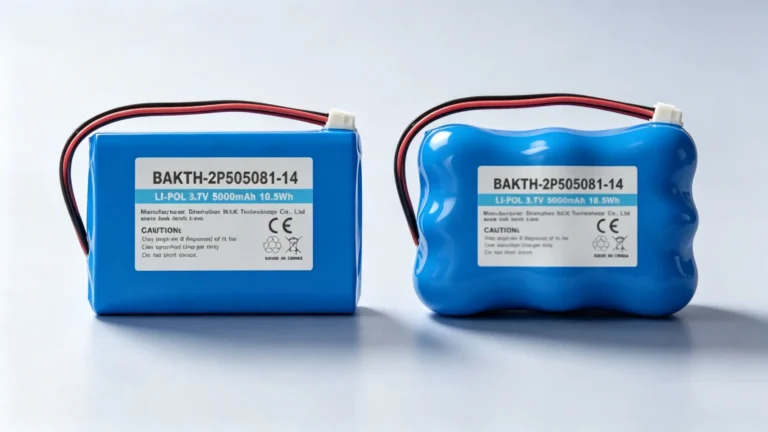
Long-term swelling from heat or over-discharge also stretches internal connecting tabs, increasing internal resistance and further shortening usable cycles. Protective rubber sleeves, padded storage cases and gentle handling are simple, low-cost ways to preserve full cycle potential. If your battery suddenly loses range with no obvious charging changes, hidden physical internal damage is usually the root cause.
Even with perfect temperature control and ideal charging routines, lithium cells slowly degrade due to unavoidable internal chemical side reactions that build up a thick Solid Electrolyte Interphase (SEI) film on anode surfaces.
This layer consumes free active lithium ions that would otherwise shuttle between electrodes during charge and discharge, permanently reducing the battery’s maximum storage capacity. This gradual chemical fade is known as calendar aging — batteries degrade slowly even when sitting unused for months or years.
After five years of storage and light use, most standard lithium cells only retain around 60% of their original capacity, regardless of brand quality. Solar storage, medical device and off-grid equipment operators must plan for this natural cycle loss to avoid unexpected equipment downtime mid-operation. When purchasing batteries, always review rated cycle counts to match your long-term usage demands.
Storing lithium batteries at full 100% charge in humid basements, freezing garages or hot attics triggers rapid corrosion and capacity fade, drastically cutting remaining usable cycles.
The industry gold standard for long-term storage is a 50% state of charge in a cool, dry environment; any deviation speeds self-discharge and irreversible chemical degradation.
Outdoor recreational users frequently fall victim to poor seasonal storage: hunters, campers and e-bike riders pack their equipment away fully charged or fully drained over winter, only to discover dead, low-cycle batteries when spring arrives. High humidity accelerates dangerous lithium dendrite growth inside cells, while freezing temperatures crack brittle internal electrode structures — both major sources of lost cycle life. A quick pre-storage charge adjustment to 40–50% preserves your battery’s full cycle capacity for seasonal reuse.
These easy, low-effort adjustments can extend your lithium battery’s usable cycle life by 30–50%:
Whether you rely on a phone for work or warehouse forklift lithium packs for daily operations, these simple habits eliminate almost all avoidable cycle-shortening stressors and deliver consistent battery performance far longer.
Budget cheap lithium batteries cut corners on raw materials, separator films and electrolyte formulas, leading to rapid cycle fade even under careful use. High-grade commercial lithium cells use optimized, stable electrolyte blends and reinforced separators that resist SEI overgrowth and electrode cracking, delivering 20–50% more full cycles than low-cost generic alternatives.
For high-demand daily applications like electric motorcycle commuting, premium lithium packs maintain steady range through years of heat, vibration and variable load fluctuations without the rapid capacity drop common in budget soft-shell or cylindrical cells. Superior internal materials slow all core degradation mechanisms that shorten cycle life, drastically lowering long-term replacement costs for consumers and commercial fleets alike.
A: Occasional fast charging causes minimal damage, but daily exclusive high-current charging can cut total usable cycles by up to 15% due to excess heat and uneven lithium ion distribution.
A: Every 10°C rise above room temperature roughly halves a lithium cell’s cycle lifespan; sustained temperatures over 30°C trigger fast electrolyte breakdown and irreversible electrode damage.
A: Yes. Sustained full charge creates constant high internal voltage that thickens the SEI layer, consumes active lithium and permanently reduces remaining cycle capacity during storage.
A: Absolutely. Shocks and vibration shift internal electrode layers, create micro short circuits and uneven cell wear, accelerating capacity fade and shortening total cycle life over time.
A: Maintain 20%–80% state of charge for regular daily use; avoid regular full discharge to 0% or constant 100% full charging.
Lithium battery cycle life is shortened by a mix of unavoidable natural chemical aging and easily preventable daily stressors: extreme heat, harmful charging routines, over-reliance on fast charging, physical shock damage and improper long-term storage.
While slow SEI layer growth and calendar aging will eventually degrade all lithium cells, adjusting simple daily habits can nearly double your battery’s rated usable cycle count and delay costly replacements. Pair careful maintenance with high-quality premium lithium cell designs for maximum long-term performance for consumer electronics, light electric mobility, power tools and off-grid energy storage systems.