Let's Shape The Future Of Your Investments!
Natoque iaculis cursus augue urna commodo aptent morbi tortor porttitor quis ornare.
![Lithium-ion Battery Manufacturer | BAKTH Battery [Official]](https://bakth-battery.com/wp-content/uploads/2026/05/hideLogo.png)
![Lithium-ion Battery Manufacturer | BAKTH Battery [Official]](https://bakth-battery.com/wp-content/uploads/2026/05/logo.png)
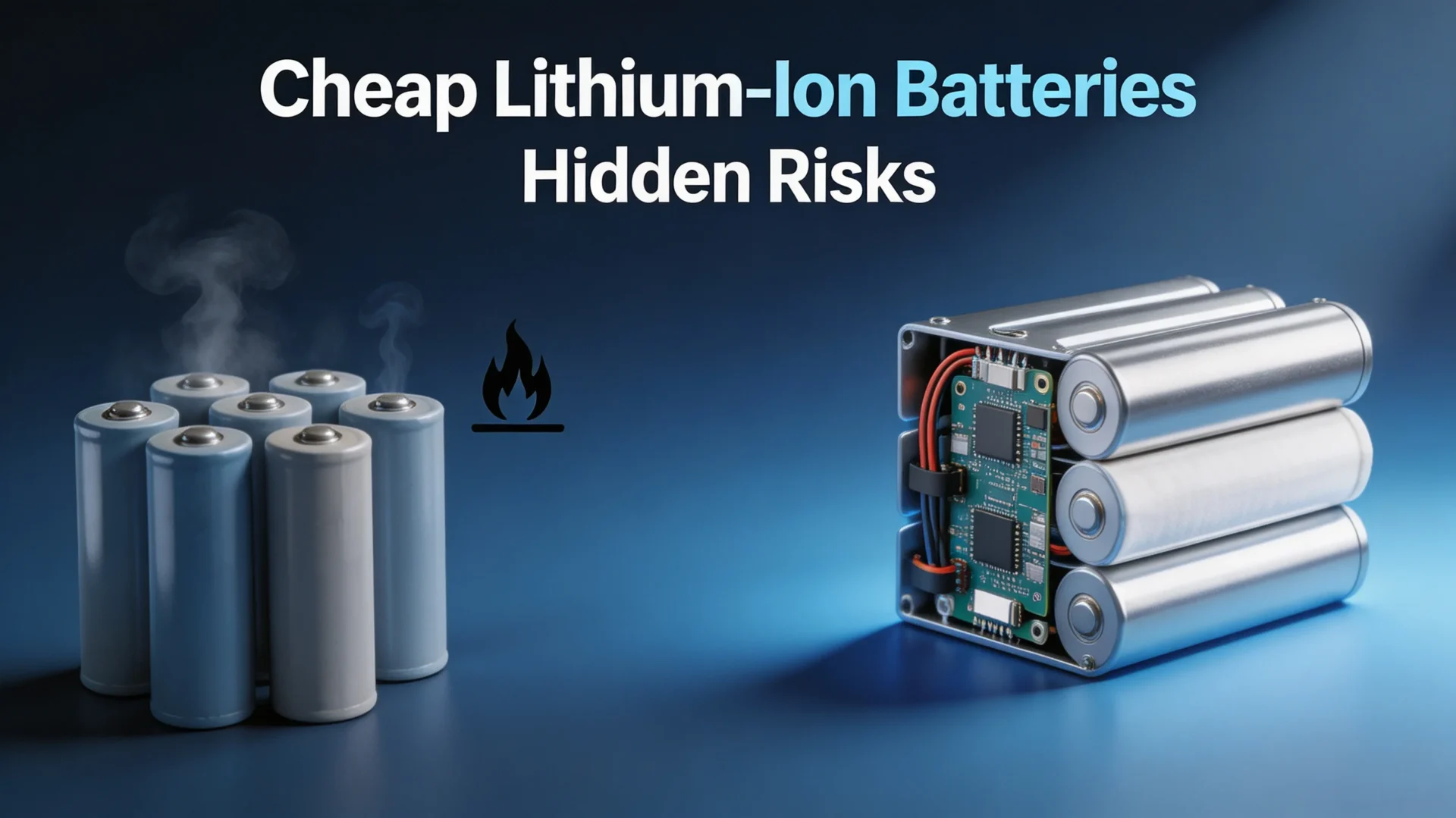
Lithium-ion batteries are the backbone of modern portable power, powering consumer electronics, marine gear, off-grid systems and electric vehicle accessories. Low-cost generic lithium batteries appeal to budget-focused buyers, yet their corner-cutting design creates hidden safety, performance and environmental risks. This guide explains why upfront savings on cheap lithium cells always lead to costly long-term consequences.
Driven by the global shift to clean energy and portable electronic devices, lithium-ion batteries have become the most popular energy storage solution on the market. Their lightweight build, high energy efficiency, low self-discharge rate and durable cycle performance outperform older battery chemistries.
Rising demand for electric vehicles, renewable energy storage and portable industrial equipment continues to expand the lithium battery industry. However, rapid market growth has led to a flood of unregulated, low-grade battery products that bypass strict manufacturing and safety standards, creating widespread user risks.
Unbranded, cheap lithium-ion batteries deliver immediate price advantages, making them attractive for cost-sensitive individual users and small businesses. These affordable alternatives undercut premium battery pricing significantly, tempting buyers to prioritize short-term savings over quality.
To maintain ultra-low price points, budget manufacturers cut critical corners: using substandard raw materials, eliminating precision quality control, and removing essential safety circuitry. These compromises do not just weaken battery performance — they introduce dangerous operational flaws that surface after short-term use. Ultimately, cheap batteries raise total ownership costs far beyond premium alternatives.
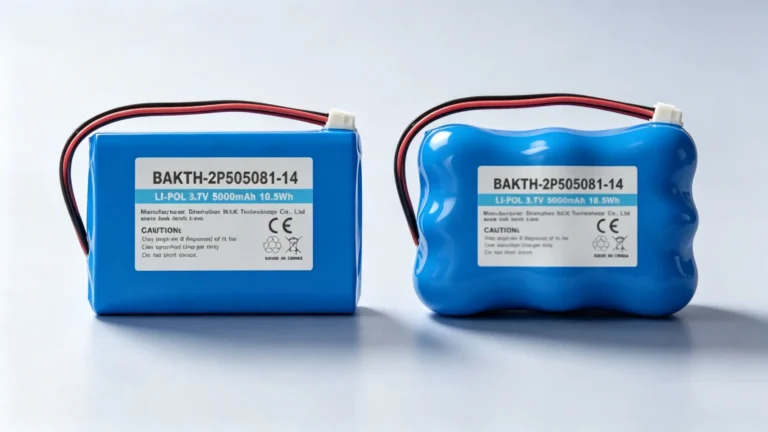
The most threatening downside of cheap lithium-ion batteries is compromised safety. Without standardized protection systems and high-purity cell materials, budget batteries are highly prone to overheating, short circuits and thermal runaway. This uncontrolled chemical reaction can trigger battery swelling, fire or even explosion, posing major risks to devices, property and personal safety.
Performance inconsistency is another common issue with low-cost lithium cells. Generic batteries frequently suffer from inaccurate capacity ratings, rapid power drainage, unstable voltage output and drastically shortened cycle life. These flaws cause sudden device shutdowns, equipment malfunctions and frequent replacement needs, disrupting daily use and industrial operations.
Low-quality lithium batteries create overlooked environmental harm that negates their initial cost benefits. Budget manufacturers rely on unsustainable raw material sourcing and unregulated production processes, generating higher carbon emissions and industrial pollution.
Due to inferior build quality, cheap batteries fail much faster than premium models, drastically increasing electronic waste volumes. Most low-cost battery suppliers lack formal recycling programs, leading discarded defective cells to end up in landfills. Toxic chemical leakage from abandoned batteries contaminates soil and groundwater, harming local ecosystems and public health. Quality battery investments support sustainable lifecycle management and reduce carbon footprints.
High-quality, certified lithium-ion batteries feature higher upfront pricing but deliver unmatched long-term value and reliability. Built with premium raw materials and strict manufacturing protocols, these batteries maintain consistent voltage output, stable runtime performance and extended cycle life.
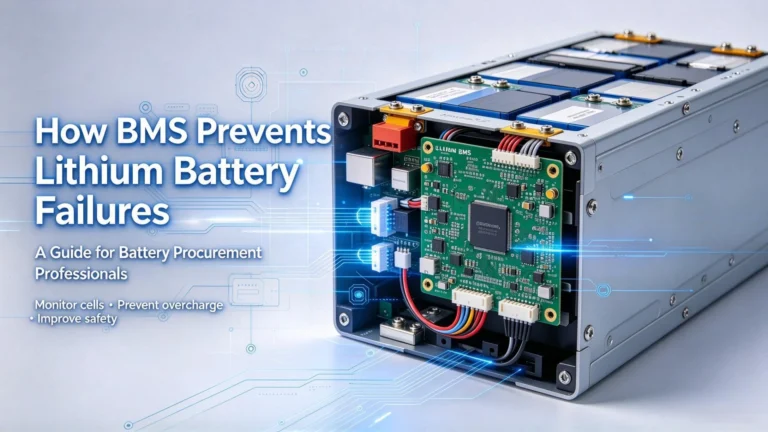
Equipped with complete BMS safety systems, reputable batteries prevent overcharging, overheating, short circuits and thermal runaway, eliminating major safety hazards. Additionally, certified brands support standardized battery recycling, minimizing e-waste and supporting global clean energy sustainability goals. Fewer replacements and zero safety incidents drastically reduce long-term operational and maintenance costs.
To balance safety, performance and long-term value, follow these practical buying standards:
Proper daily maintenance maximizes the performance and service life of all lithium-ion batteries:
Cheap lithium-ion batteries deliver temporary cost savings but carry dangerous safety risks, unstable performance, frequent replacement costs and severe environmental harm. For personal devices, industrial equipment and off-grid power systems, prioritizing certified, high-quality lithium batteries is always the most cost-effective and responsible choice. Quality battery investments ensure long-term reliability, operational safety and sustainable power system performance.
A: No. Low-cost uncertified lithium batteries lack reliable safety circuitry and quality control, making them prone to overheating, short circuits and thermal runaway fires.
A: Cheap batteries use substandard materials and cut manufacturing corners, resulting in inflated capacity ratings, unstable power output and drastically shorter cycle life.
A: Yes. Premium batteries feature longer lifespans to reduce e-waste, and reputable brands maintain formal recycling programs to minimize environmental pollution.
A: Absolutely. Quality batteries eliminate safety hazards, reduce replacement frequency and lower long-term total ownership costs far beyond their higher upfront price.