Let's Shape The Future Of Your Investments!
Natoque iaculis cursus augue urna commodo aptent morbi tortor porttitor quis ornare.
![Lithium-ion Battery Manufacturer | BAKTH Battery [Official]](https://bakth-battery.com/wp-content/uploads/2026/05/hideLogo.png)
![Lithium-ion Battery Manufacturer | BAKTH Battery [Official]](https://bakth-battery.com/wp-content/uploads/2026/05/logo.png)
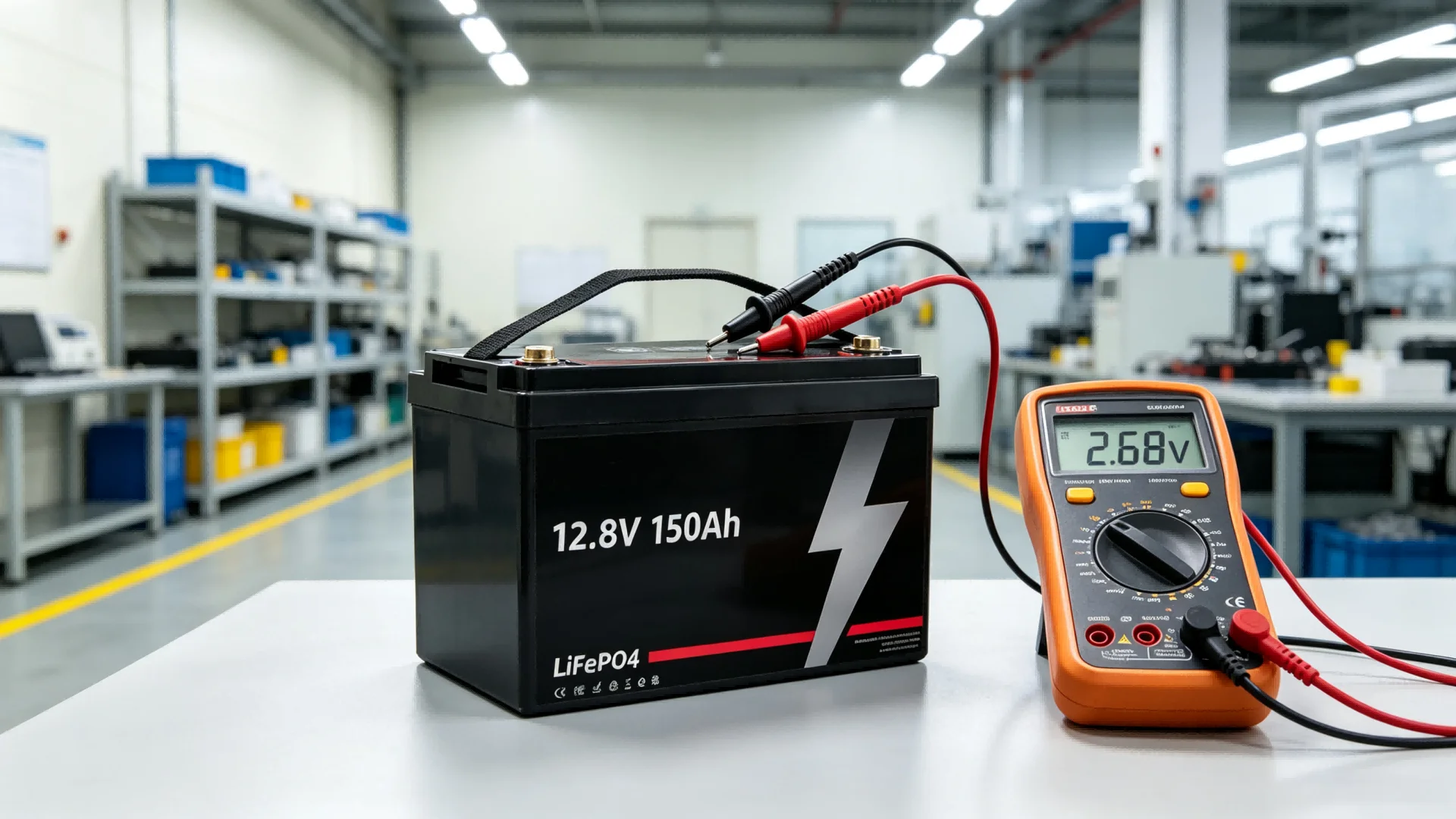
Many portable electronic devices rely on lithium‑ion batteries, but users may occasionally encounter a battery that suddenly stops working or refuses to charge. In some cases, this problem is caused by deep discharge, also known as over‑discharge.
Deep discharge can reduce battery performance, cause permanent damage, and create safety risks if users attempt improper recovery methods.
In this article, we explain what deep discharge is, its common causes, potential risks, safe troubleshooting methods, and practical ways to protect lithium‑ion batteries from over‑discharge.
Deep discharge occurs when a lithium‑ion battery cell’s voltage drops below the manufacturer’s specified safe discharge limit.
For many lithium‑ion cells, the recommended minimum discharge voltage is around 2.5V–3.0V per cell, depending on the cell chemistry and manufacturer. The exact voltage limit varies by battery design and should always follow the manufacturer’s specifications.
When a cell’s voltage becomes too low, the Battery Management System (BMS) may disconnect the battery to prevent further discharge and reduce safety risks. However, BMS protection does not guarantee that a deeply discharged cell remains undamaged.
If a lithium‑ion cell stays at an extremely low voltage for an extended period, irreversible chemical and structural changes may occur inside the cell. These changes can increase internal resistance, reduce capacity, and potentially create internal safety hazards.
Unlike normal low‑battery conditions, severe over‑discharge may cause permanent performance loss and make the battery unsafe to recharge.
Several factors can cause a lithium battery pack to become deeply discharged.
When a battery pack is stored for several months without checking its charge level, the voltage may gradually decrease. If the battery’s protection circuit continues to consume a small amount of power, the cells may eventually reach an excessively low voltage.
This can happen with devices such as:
Regular inspection and proper storage charge levels can help reduce the risk.
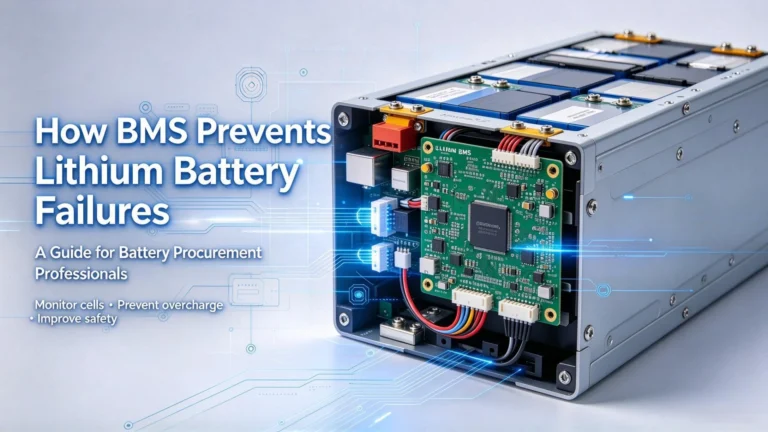
The Battery Management System (BMS) monitors battery voltage, temperature, and other operating conditions.
If the BMS or its protection components malfunction, the battery may not disconnect at the intended voltage limit. In some cases, this can allow the cells to discharge excessively.
However, deep discharge can also occur because of external loads, wiring problems, or prolonged storage, even when the BMS is functioning correctly.
Lithium‑ion batteries gradually lose performance as they age and undergo repeated charge and discharge cycles.
Aged cells may develop:
As a result, an aging battery may reach its low‑voltage cutoff more quickly during use.
Battery aging does not necessarily mean a battery will self‑discharge rapidly. However, degraded cells may be more vulnerable to voltage drops and performance problems.
Some devices continue to draw a small amount of current even when they appear to be switched off.
This is particularly relevant to:
Proper power management and storage procedures can help prevent excessive discharge.
A charger that does not match the battery’s voltage, charging profile, or chemistry can cause charging problems and create safety risks.
However, a charger problem does not normally cause a battery to over‑discharge directly. It may prevent the battery from being recharged properly, leaving the battery at a low state of charge for an extended period.
For multi‑cell battery packs, incorrect charging configuration or cell imbalance may also contribute to battery performance and safety issues.
Always use a charger that is compatible with the battery pack’s specifications.
Deep discharge does not always destroy a battery immediately. The level of damage depends on factors such as the cell chemistry, voltage level, discharge duration, and overall battery condition.
Potential consequences include:
Severe over‑discharge can cause irreversible chemical changes within lithium‑ion cells.
As a result, the battery may no longer hold the same amount of energy as before, reducing its operating time.
Battery damage can increase internal resistance, which may lead to:
In multi‑cell battery packs, individual cells may discharge at different rates.
If one cell reaches a critically low voltage before the others, the battery pack may experience cell imbalance. Without proper monitoring and protection, this can affect the pack’s performance and safety.
Severe over‑discharge may damage the internal structure of a lithium‑ion cell.
In some cases, damaged cells may develop internal defects or short circuits. Attempting to recharge a compromised cell can increase the risk of overheating, fire, or other safety incidents.
A battery that has experienced severe over‑discharge should be evaluated before being returned to service.
Some online tutorials recommend using external power sources, bypassing the BMS, or applying a forced charging method to recover a battery that will not charge.
These DIY recovery methods can be dangerous and are not recommended.
A battery that refuses to charge may have several possible causes, including:
Before concluding that a battery is deeply discharged, consider the following checks.
Inspect the charging cable, adapter, and charging port for visible damage.
Confirm that the charger is compatible with the battery pack’s voltage, chemistry, and charging requirements.
If the battery has been exposed to extreme heat or cold, allow it to return to the manufacturer’s recommended charging temperature range.
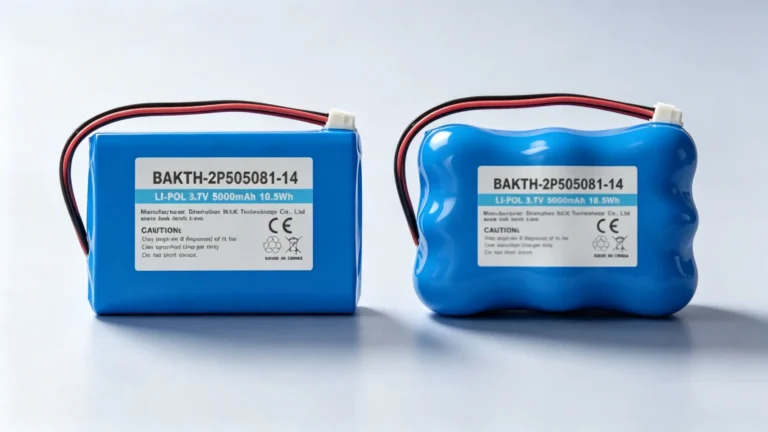
Do not attempt to charge a frozen, overheated, swollen, or visibly damaged battery.
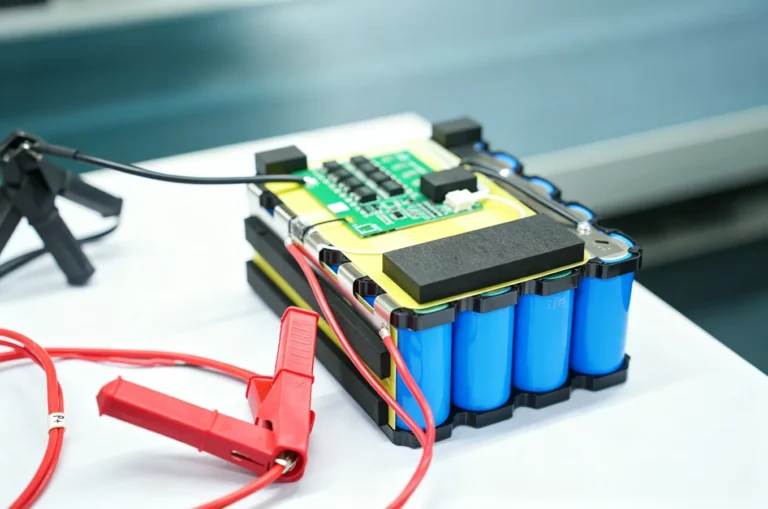
A multimeter can be used by a qualified person to assess battery voltage, but voltage measurement alone cannot confirm whether a cell is internally safe.
Do not open sealed battery packs, bypass the BMS, or attempt to access individual cells without the appropriate training and safety equipment.
If a battery pack has experienced severe over‑discharge, professional evaluation may be necessary.
A qualified battery technician can assess:
Depending on the battery’s condition, replacement may be safer than attempting recovery.
Some BMS designs include a protection recovery function that allows normal charging to resume after a low‑voltage cutoff.
However, BMS recovery behavior varies by design, and a battery that has entered protection mode should not automatically be assumed to be safe.
Do not bypass safety protection or force‑charge a battery that has been deeply discharged or damaged.
Safety Warning: A battery that temporarily resumes operation after over‑discharge may still have internal damage. Successful charging does not prove that the battery is safe for continued use.
Preventing deep discharge is generally safer and more cost‑effective than attempting to recover a damaged battery.
Try to recharge lithium‑ion batteries before they reach a critically low state of charge.
For everyday use, maintaining a moderate state of charge can help reduce unnecessary battery stress. However, the ideal operating range depends on the battery chemistry, application, and manufacturer’s recommendations.
For many applications, charging before the battery becomes fully depleted is a practical approach.
For long‑term storage, many lithium‑ion battery manufacturers recommend a partial state of charge, often around 40%–60%, although the recommended level varies by cell type and storage conditions.
Follow the manufacturer’s storage instructions and check the battery periodically.
Avoid leaving battery packs connected to devices or circuits that continuously consume power.
Store lithium battery packs in a dry, well‑ventilated environment within the manufacturer’s recommended temperature range.
Avoid:
Proper storage conditions can help reduce battery degradation and safety risks.
A properly designed BMS can provide important protection functions, such as:
For custom lithium battery packs, BMS configuration should match the cell chemistry, series‑parallel configuration, operating conditions, and application requirements.
Consider professional evaluation or replacement when a battery shows signs such as:
Do not continue using a battery that shows signs of damage.
A: A battery that fails to power on or accept a charge may have experienced deep discharge, but these symptoms can also result from a faulty charger, extreme temperatures, BMS protection, or internal battery damage. A voltage measurement performed safely by a qualified person can help identify a low‑voltage condition. However, voltage alone cannot confirm the battery’s internal condition.
A: Do not attempt to force‑charge or bypass the BMS on a deeply discharged battery. If the battery is suspected of severe over‑discharge, swelling, physical damage, or internal failure, stop using it and seek professional evaluation. Only use charging equipment that is compatible with the battery manufacturer’s specifications.
A: Do not charge, puncture, disassemble, or continue using a swollen battery. Keep it away from flammable materials and arrange professional handling or appropriate battery recycling according to local requirements. If the battery is hot, smoking, or showing signs of fire, move away from the immediate area and contact emergency services when appropriate.
A: For long‑term storage, inspect battery packs periodically according to the manufacturer’s recommendations. A practical approach is to check stored batteries approximately every 1–3 months, depending on the battery type, storage conditions, and standby power consumption. Recharge the battery to the recommended storage level when necessary, using compatible charging equipment.
A: A properly designed BMS can help prevent over‑discharge by disconnecting the battery when voltage reaches a defined protection threshold. However, a BMS cannot guarantee complete protection against every failure condition. Prolonged storage, circuit faults, cell imbalance, and other factors may still create risks. Battery pack design should combine appropriate cell selection, BMS protection, and suitable operating and storage procedures.
Deep discharge is a common battery problem that can lead to capacity loss, performance degradation, and potential safety hazards.
The most effective prevention strategies include proper storage, compatible charging equipment, reliable BMS protection, and regular battery inspections.
For manufacturers and equipment developers, selecting the right lithium battery cells, protection system, and pack design is essential for long‑term reliability and safety.
Looking for a custom lithium battery pack? BAKTH Battery provides customized lithium battery pack solutions for different applications, including voltage, capacity, cell configuration, BMS, and structural requirements.
Contact us to discuss your battery pack requirements and find a suitable solution for your application.