Let's Shape The Future Of Your Investments!
Natoque iaculis cursus augue urna commodo aptent morbi tortor porttitor quis ornare.
![Lithium-ion Battery Manufacturer | BAKTH Battery [Official]](https://bakth-battery.com/wp-content/uploads/2026/05/hideLogo.png)
![Lithium-ion Battery Manufacturer | BAKTH Battery [Official]](https://bakth-battery.com/wp-content/uploads/2026/05/logo.png)
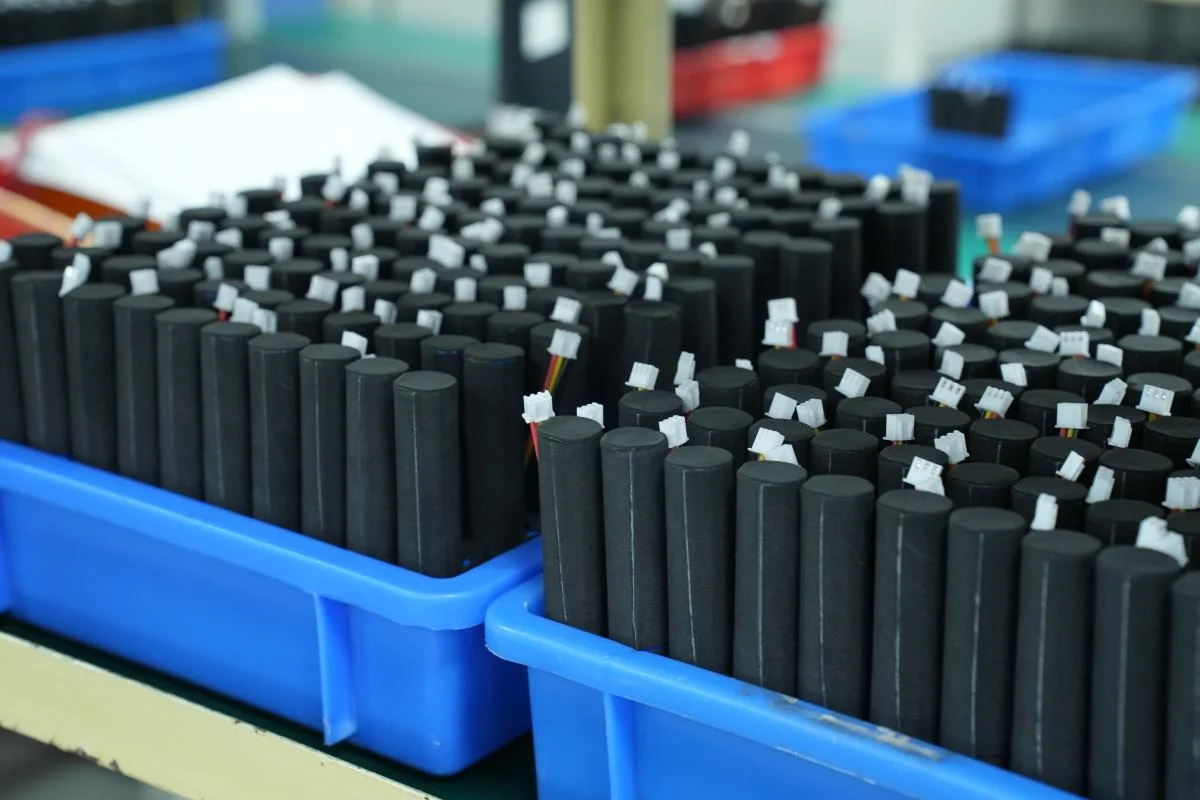
For importers, c, and bulk battery buyers, water and moisture exposure can create hidden risks that may lead to product failures, warranty claims, and safety concerns.
Even battery packs with an IP-rated enclosure can be affected by moisture if seals, cable glands, connectors, or housings are damaged or improperly assembled. Moisture can also enter during transportation, storage, or end-user operation.
This guide explains how water and humidity can affect lithium battery packs, what buyers should inspect after moisture exposure, and how to reduce moisture-related risks during sourcing, shipping, and storage.
Moisture damage does not always appear immediately. Depending on the amount of water, exposure time, battery design, and enclosure condition, problems may develop gradually through several mechanisms.
The following conditions should be treated as potential warning signs.
Freshwater, seawater, and contaminated water can contain dissolved minerals and other substances that increase electrical conductivity.
If water reaches exposed terminals, busbars, connectors, or circuit boards, it may create unintended conductive paths. This can cause electrical faults, leakage currents, short circuits, arcing, or localized heating.
Saltwater is particularly concerning because its higher conductivity can accelerate corrosion and increase the risk of electrical faults.
For high-voltage industrial battery systems, water exposure can also create serious electrical shock and fire hazards. These systems should only be inspected by appropriately qualified personnel.
Moisture does not always cause an immediate electrical failure. In some cases, corrosion develops gradually.
Water or high humidity can contribute to corrosion of:
Corrosion can increase electrical resistance and cause intermittent connections, voltage drops, communication problems, or abnormal heat generation.
This is one reason moisture-related battery failures may appear weeks or months after the original exposure.
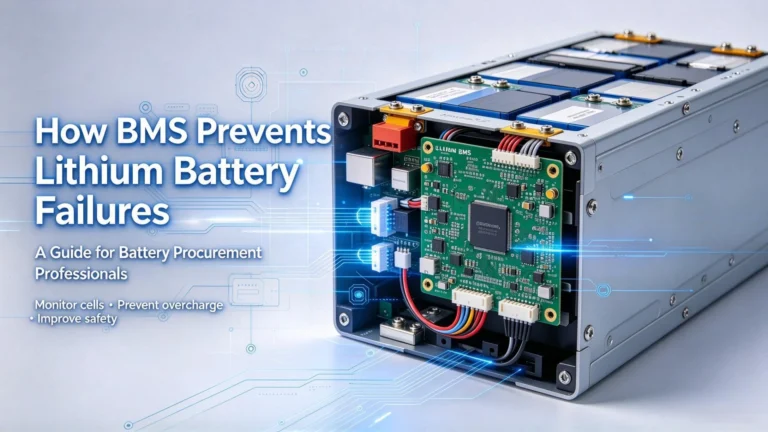
The Battery Management System (BMS) is responsible for monitoring and protecting the battery pack.
Water intrusion can damage BMS circuit boards, sensors, connectors, communication interfaces, and other electronic components.
A damaged BMS may cause:
A BMS fault does not automatically mean that the battery cells have been damaged. However, any battery with suspected water intrusion should be professionally assessed before it is returned to service.
If moisture reaches the cells themselves, the potential consequences become more serious.
Depending on the cell design and exposure conditions, water intrusion may contribute to corrosion, electrical faults, insulation failure, or other forms of cell damage.
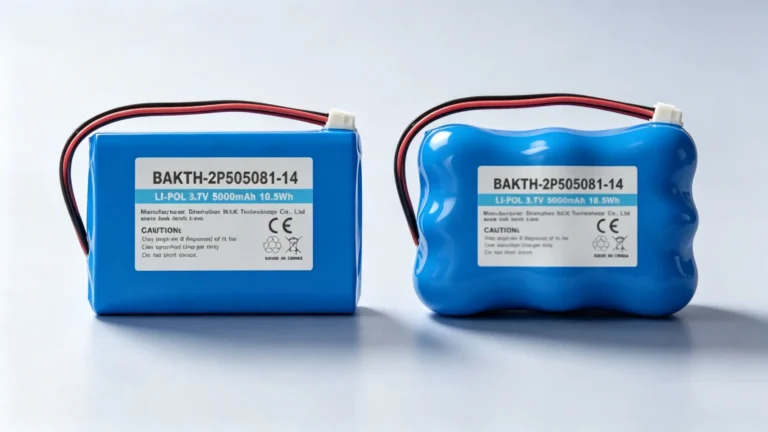
A damaged lithium-ion cell may show symptoms such as:
Severely damaged cells can present a risk of fire or thermal runaway, particularly when subjected to charging or high electrical loads.
| Exposure Type | General Risk | Key Concerns for Buyers |
|---|---|---|
| Light freshwater splash on intact sealed housing | Lower | Limited risk if the enclosure, seals, and connectors remain intact |
| Rainwater or prolonged high humidity | Moderate | Potential corrosion or moisture accumulation over time |
| Freshwater flooding or submersion | High | Possible internal moisture, contamination, insulation problems, and hidden damage |
| Saltwater exposure or submersion | Very High | Accelerated corrosion, increased conductivity, and potentially extensive internal damage |
These categories are general guidance rather than universal ratings. The actual risk depends on the battery design, IP rating, exposure duration, water quality, temperature, and condition of the enclosure.
If a shipment or returned battery has been exposed to water or excessive humidity, do not immediately power it on or connect it to a charger.
Instead, carry out an appropriate inspection process.
Check the battery housing, seals, connectors, and packaging for:
White, green, or brown corrosion around metal components can indicate previous moisture exposure.
Look for signs of:
Do not squeeze, open, puncture, or disassemble a battery suspected of internal damage.
Depending on the battery design, qualified technicians may need to evaluate:
The appropriate test procedure depends on the battery chemistry, voltage level, pack design, and application.
Try to determine:
The exposure history can help determine the appropriate inspection and disposition procedure.
Important: A battery that appears completely dry on the outside is not necessarily free from internal moisture or damage.
Stop charging, discharging, and normal operation of batteries that have been exposed to significant amounts of water.
Separate affected units from unaffected inventory and keep them away from unnecessary sources of heat and combustible materials.
For large industrial battery systems or batteries showing signs of damage, use your site’s established battery emergency procedures.
Do not touch exposed wet terminals, connectors, or conductors with bare hands.
High-voltage battery systems present additional electrical shock hazards. Inspection and isolation should be handled by qualified personnel using appropriate procedures and protective equipment.
Do not use hair dryers, heat guns, ovens, or other high-heat methods to dry a battery pack.
Excessive heat can damage seals, accelerate battery degradation, and create additional safety risks.
Most importantly, do not charge a battery that has been submerged, flooded, or significantly water-damaged simply because the outside appears dry.
Charging a damaged battery can expose underlying electrical or cell defects to additional stress.
For significant water exposure, have qualified battery technicians evaluate the affected batteries.
Depending on the battery system, the assessment may include:
Based on the results, the battery may be approved for further use, repaired by an authorized professional, returned to the supplier, or safely recycled.
Not every moisture-exposed battery is automatically unrecoverable, but the decision should be based on the battery design, severity of exposure, and professional test results.
For B2B orders, document the incident and notify your supplier as soon as possible.
Provide:
Ask the supplier to investigate the potential root cause and clarify warranty or replacement procedures according to the purchase agreement.
Moisture-related battery problems can often be reduced through better product design, packaging, transportation, and incoming inspection.
Confirm that the battery enclosure’s IP rating matches the actual operating environment.
However, an IP rating should not be treated as a guarantee against every type of water exposure.
For example, an IP-rated enclosure can still become vulnerable if:
Ask the supplier to provide appropriate test documentation for the specified enclosure protection level where required.
During sample evaluation, pay attention to:
For outdoor and industrial applications, enclosure design should be validated against the actual environmental conditions expected during operation.
For long-distance transportation and humid environments, packaging should be designed to reduce moisture exposure.
Depending on the shipping conditions, measures may include:
Packaging requirements should be based on the battery design, shipping method, destination climate, and applicable transport requirements.
For outdoor or industrial battery packs, environmental testing may include:
The specific test method should match the intended application rather than applying the same test to every battery product.
For B2B procurement, clearly define:
Clear requirements can reduce disputes when moisture-related problems occur during transportation or storage.
Warehouse and QC teams should check incoming shipments for:
If water damage is discovered, photograph and document the condition before moving the affected goods into normal inventory.
A battery should be removed from normal operation and professionally evaluated if it shows signs such as:
Damaged lithium batteries should be handled and recycled according to applicable local regulations and by appropriately qualified recycling or hazardous-material professionals.
Never place damaged or swollen lithium batteries in regular household waste or standard recycling bins.
Moisture damage is an often-overlooked risk in lithium battery procurement, transportation, storage, and field use.
For battery buyers, prevention should begin before the purchase order is placed. Verify the enclosure design, sealing performance, packaging requirements, environmental specifications, and supplier quality-control procedures.
When a battery has been exposed to water:
A reliable battery procurement process should consider not only cell quality and electrical performance, but also enclosure protection, moisture resistance, packaging, transportation, and environmental conditions.
A: Yes. An IP67-rated enclosure provides a defined level of protection under specified test conditions, but it does not mean the battery is permanently waterproof under every real-world situation.
Damaged housings, degraded gaskets, improperly installed connectors, or incorrect assembly can compromise the intended protection.
The actual protection also depends on how the battery is installed and used.
A: Not necessarily.
Surface water can evaporate while moisture remains inside the enclosure or corrosion has already started on internal components.
A battery that has experienced significant water exposure should be evaluated according to its design and the severity of the exposure before being returned to service.
A: Several factors can contribute, including:
High humidity, Temperature fluctuations, Condensation inside containers, Inadequate moisture protection, Damaged packaging, Insufficient sealing, Long transportation times.
The actual cause should be determined from the shipment conditions and inspection evidence rather than assuming that one factor is responsible.
A: Responsibility depends on the purchase contract, shipping terms, packaging requirements, insurance arrangements, and evidence showing where and when the damage occurred.
For B2B procurement, it is useful to define packaging standards, inspection procedures, warranty responsibilities, and claims processes before shipment.
A: In some cases, specific components may be repairable by qualified professionals. However, a water-damaged battery should not be repaired or reused based solely on visual drying.
The appropriate decision depends on the type and severity of water exposure, the battery architecture, cell condition, insulation performance, and applicable safety requirements.
For severely damaged, submerged, or saltwater-exposed batteries, replacement and professional recycling may be more appropriate than repair.