Let's Shape The Future Of Your Investments!
Natoque iaculis cursus augue urna commodo aptent morbi tortor porttitor quis ornare.
![Lithium-ion Battery Manufacturer | BAKTH Battery [Official]](https://bakth-battery.com/wp-content/uploads/2026/05/hideLogo.png)
![Lithium-ion Battery Manufacturer | BAKTH Battery [Official]](https://bakth-battery.com/wp-content/uploads/2026/05/logo.png)
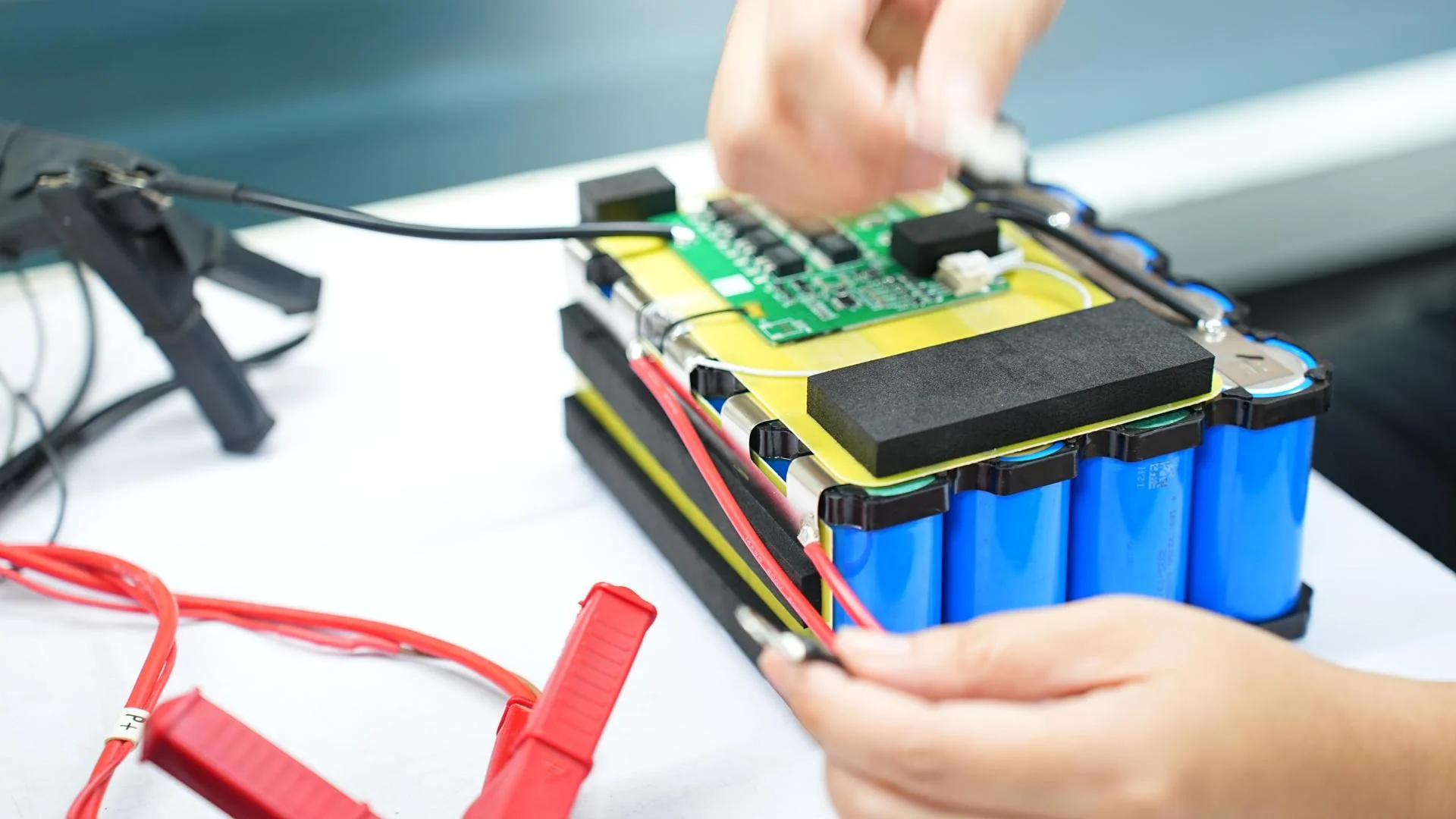
Shopping for a replacement or custom battery pack and confused by labels marked 5C, 10C or 20C? The C‑rating is one of the most critical yet misunderstood battery specifications. This practical guide breaks down what C‑rate means, walks you through simple calculations, explains continuous‑vs‑peak ratings, and helps you select batteries suited to drones, robotics, jump‑starters, solar storage and industrial equipment.
C‑rate is a measurement that describes how rapidly a battery can safely charge or discharge its full capacity, referenced against its amp‑hour (Ah) rating. In simple terms, 1C means the battery will deliver its full stored energy in one full hour of discharge.
For a 10‑amp‑hour (10 Ah) battery:
These numbers reflect ideal lab‑test conditions. In real‑world use, fast high‑C discharge creates internal resistance heat loss, which reduces usable battery capacity by 5 % or higher. Lead‑acid batteries suffer much steeper capacity drop‑off at high discharge speeds than modern LiFePO4 lithium‑ion cells.
| C‑Rating | Time to Fully Discharge (Ideal) |
|---|---|
| 30C | 2 minutes |
| 20C | 3 minutes |
| 10C | 6 minutes |
| 5C | 12 minutes |
| 2C | 30 minutes |
| 1C | 1 hour |
| 0.5C (C/2) | 2 hours |
| 0.2C (C/5) | 5 hours |
| 0.1C (C/10) | 10 hours |
| 0.05C (C/20) | 20 hours |
One important detail: different battery chemistries use different baseline test rates. Flooded lead‑acid, AGM and gel batteries are normally rated at the slow 0.05C (20‑hour) discharge test. Lithium‑ion and LiFePO4 cells almost always use the 1C, one‑hour baseline rating.
Three straightforward formulas allow you to convert between runtime, discharge current and C‑rating for any battery pack:
Let’s work through examples using a 2300 mAh lithium‑ion cell. First, convert milliamp‑hours into amp‑hours:
2300 mAh = 2.3 Ah
Case 1: 0.5C discharge
Case 2: 2C discharge
Case 3: 30C high‑power discharge
This extreme high‑current, short‑time discharge profile is typical for high‑power LiFePO4 cells used in jump‑starters and RC racing equipment.
When checking your battery datasheet or product label, you will almost always find two separate discharge ratings:
If you cannot locate continuous discharge specifications printed on your battery, do not guess at safe limits. Always reach out directly to your battery manufacturer for official datasheet values.
High‑discharge‑rate lithium batteries are required for devices that draw short, powerful bursts of current:
On the other hand, most low‑demand systems such as residential solar storage, RV deep‑cycle batteries, marine house batteries, and everyday consumer electronics run best on low‑to‑moderate C‑rate cells. Buying expensive high‑C batteries for these applications wastes money, with zero performance benefit.
Selecting a battery whose maximum continuous C‑rating sits below your equipment’s actual current draw brings several costly safety‑related downsides:
Adding a safety margin is always recommended. Choose a battery with a continuous C‑rating slightly higher than your equipment’s maximum steady‑state load. This keeps your pack running cooler, extends cycle‑life, and prevents unexpected downtime.
Many beginners mistakenly assume charge and discharge C‑rates are identical. For lithium‑ion and LiFePO4 cells, the safe maximum charging C‑rate is almost always lower than the maximum discharge rate. Charging at excessively high C‑rates raises the risk of lithium plating on graphite anodes, dendrite growth and hidden internal short‑circuit damage, especially in cold operating temperatures.
Your battery’s C‑rating defines its safe power output speed. Always calculate your load’s amp draw, match it against the continuous discharge rating, and never rely solely on peak pulse values for normal operation. High‑C batteries deliver impressive burst power but cost more and generate extra heat; low‑C cells work perfectly for long‑duration, steady‑load applications like solar storage. Getting your C‑rate selection right maximizes battery lifespan, improves equipment reliability and cuts long‑term replacement costs.
A: 1C means the battery can discharge its full rated amp‑hour capacity in one hour under ideal conditions.
A: No. Peak pulse ratings are designed only for short‑time current bursts. Continuous operation at peak C‑rate will overheat and damage your battery pack.
A: Internal resistance converts electrical energy into waste heat. This thermal loss reduces the total amount of usable energy you can extract from the cell at faster discharge speeds.
A: No. Lithium‑ion batteries almost always have a lower safe maximum charge C‑rate, to prevent lithium plating damage on the anode.