Let's Shape The Future Of Your Investments!
Natoque iaculis cursus augue urna commodo aptent morbi tortor porttitor quis ornare.
![Lithium-ion Battery Manufacturer | BAKTH Battery [Official]](https://bakth-battery.com/wp-content/uploads/2026/05/hideLogo.png)
![Lithium-ion Battery Manufacturer | BAKTH Battery [Official]](https://bakth-battery.com/wp-content/uploads/2026/05/logo.png)
Lithium secondary rechargeable batteries have become the mainstream power source for commercial devices, industrial equipment, energy storage systems and electric mobility tools. Choosing the right cell type and proper battery pack configuration directly impacts overall performance, service life and application compatibility. This guide fully explains mainstream lithium cell form factors, the key differences between power cells and energy cells, as well as standard series and parallel wiring rules. It serves as a practical reference for B2B buyers, pack assemblers, OEM engineers and equipment designers.
All lithium battery packs are assembled from individual cells. The three most common physical designs are cylindrical cells, prismatic cells and pouch cells. This guide focuses on widely used 3.2V LiFePO4 cells, which dominate industrial, commercial and stationary storage fields. Each form factor has unique structural features and targeted application scenarios.

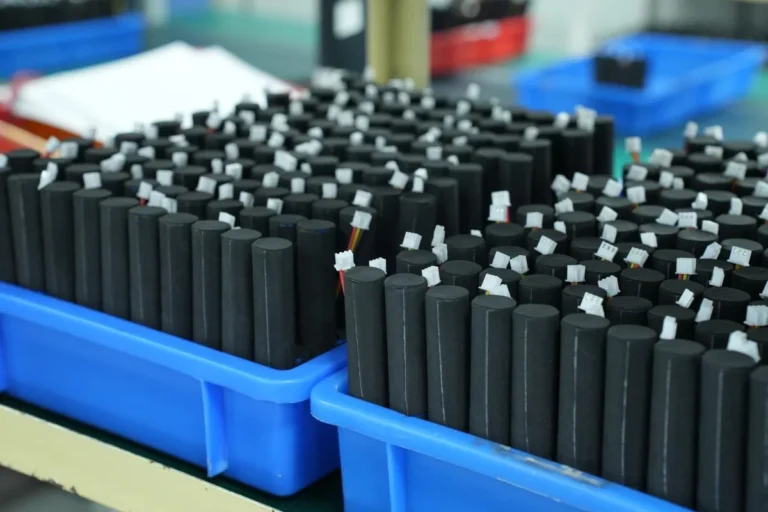
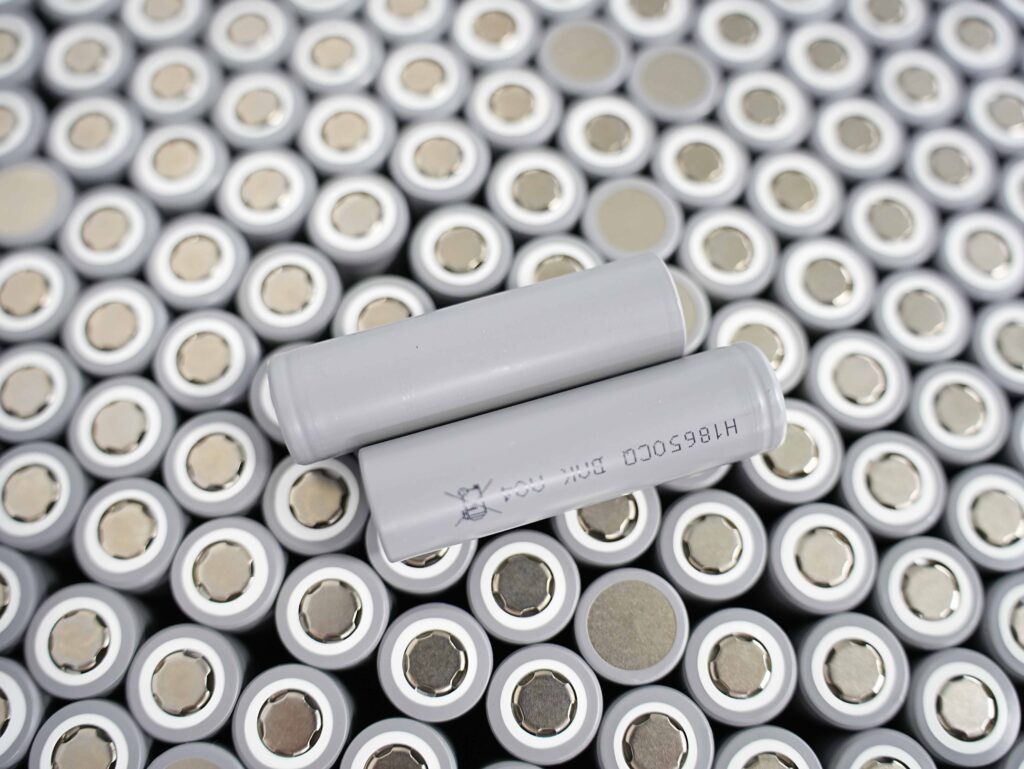
Modeled after traditional dry cells like AA batteries, cylindrical cells feature a tubular outer casing with internally wound electrode materials. They are available in multiple sizes and amp-hour ratings, functioning as both power cells and energy cells.
Thanks to mature manufacturing technology, solid structural strength and excellent consistency, cylindrical cells are suitable for both small and medium-sized battery packs. They perform best in compact, lightweight applications, including power tools, drones, consumer toys and portable medical devices. For projects with strict limits on space and weight, cylindrical cells are a cost-effective and reliable option.
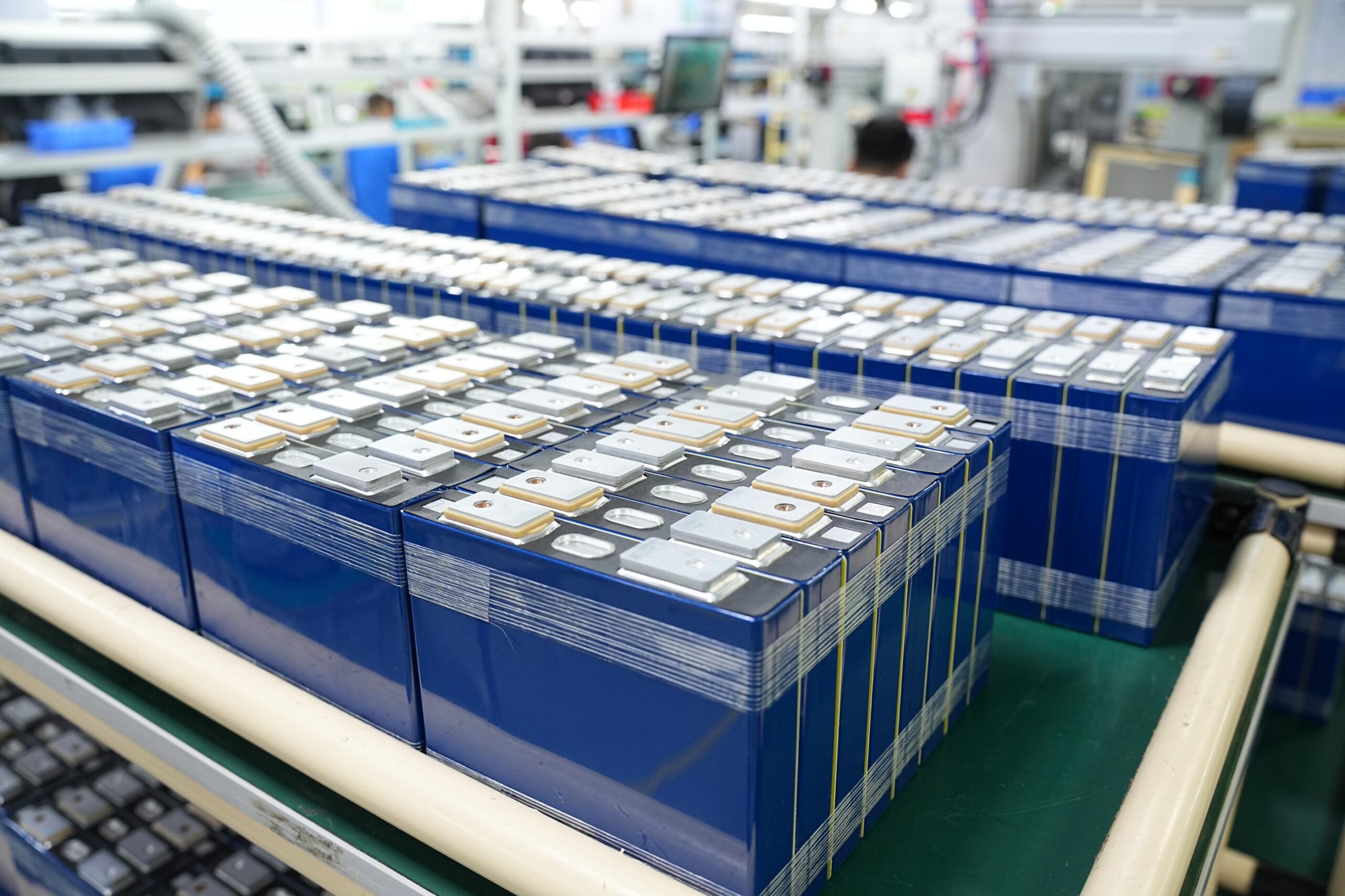
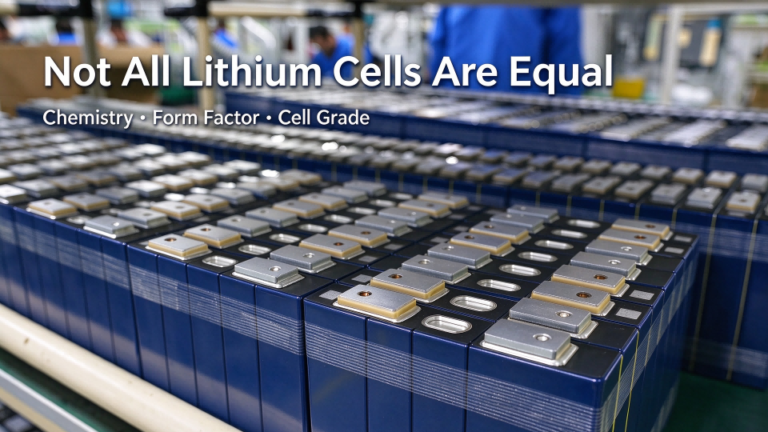
Prismatic cells adopt a rigid rectangular casing, designed to fit standard square battery compartments. With stacked internal electrodes, they deliver higher volumetric capacity than most cylindrical cells under the same footprint.
Their large single-cell capacity and stable structure make them ideal for large battery packs and standalone cell setups. They are widely used in laptops, household appliances, large-scale stationary energy storage systems and SLA (sealed lead acid) replacement projects. For applications pursuing high overall capacity and strong structural stability, prismatic cells are the top choice.
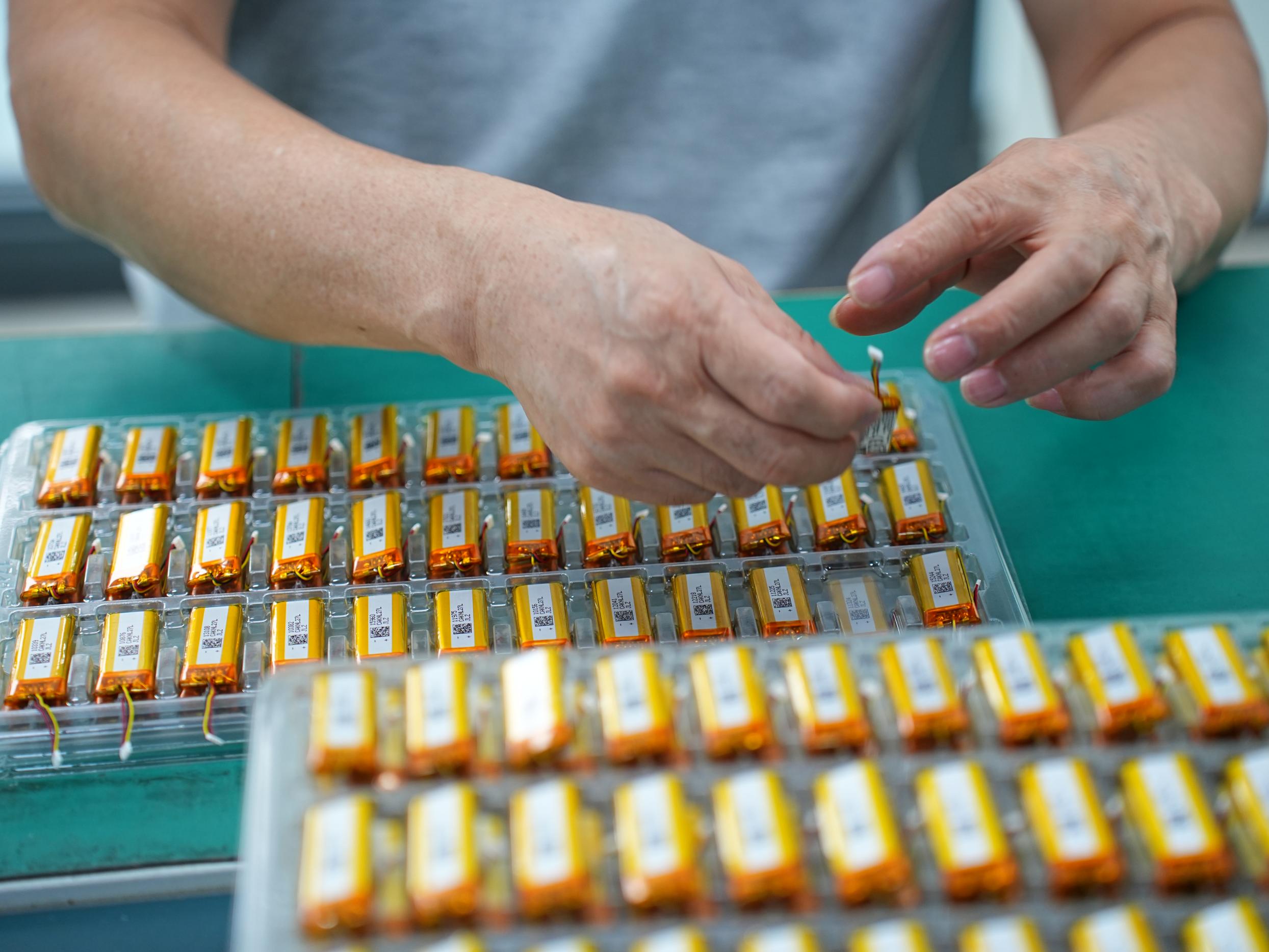
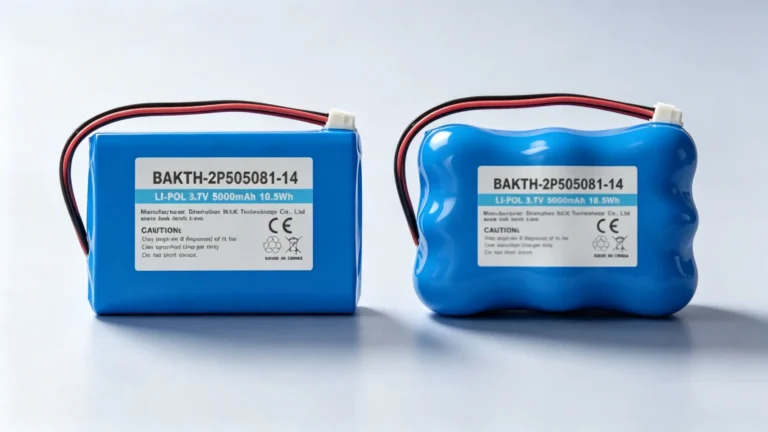
Pouch cells use lightweight aluminum-plastic composite film as the outer package, without rigid metal casings. Two electrode tabs extend from the sealed soft pouch, which contains LiFePO4 polymer materials.
This special design maximizes internal material utilization and energy density. Pouch cells can be directly installed inside equipment without extra protective cases, further reducing overall weight. Many high-performance portable devices and professional power sport equipment adopt pouch cells for superior power density and flexible layout.
Beyond physical shapes, lithium cells are divided into two core categories based on performance orientation: power cells and energy cells. Understanding their differences is the core premise for correct selection. All lithium cells support cyclic use, but their discharge rates, load resistance and applicable scenarios vary greatly.
Power cells are engineered to output high current in short bursts. They feature thicker electrodes, reinforced separators and low internal resistance, and can sustain high C-rate discharge (5C to 20C) steadily.
These cells are built for intermittent high-load work. Typical applications include engine starter batteries, high-torque power tools and industrial equipment that requires instantaneous strong power. Such devices only need high power for a short time per use, which perfectly matches the design characteristics of power cells.
Energy cells prioritize long-duration continuous power output. They adopt optimized electrode structures to maximize energy storage capacity, and normally work at low C-rates of 0.5C to 1C.
They are designed for long-cycle continuous operation. Common applications include electric scooters, e-bikes, off-grid energy storage systems and long-running mobile devices. Users of these products require extended runtime instead of instantaneous high power.
Core Distinction Summary: Never mix power cells and energy cells in one pack. Using cells beyond their designed working range will cause accelerated capacity fade, overheating and drastically shortened lifespan. Confirm the equipment’s load characteristics before selecting cell types.
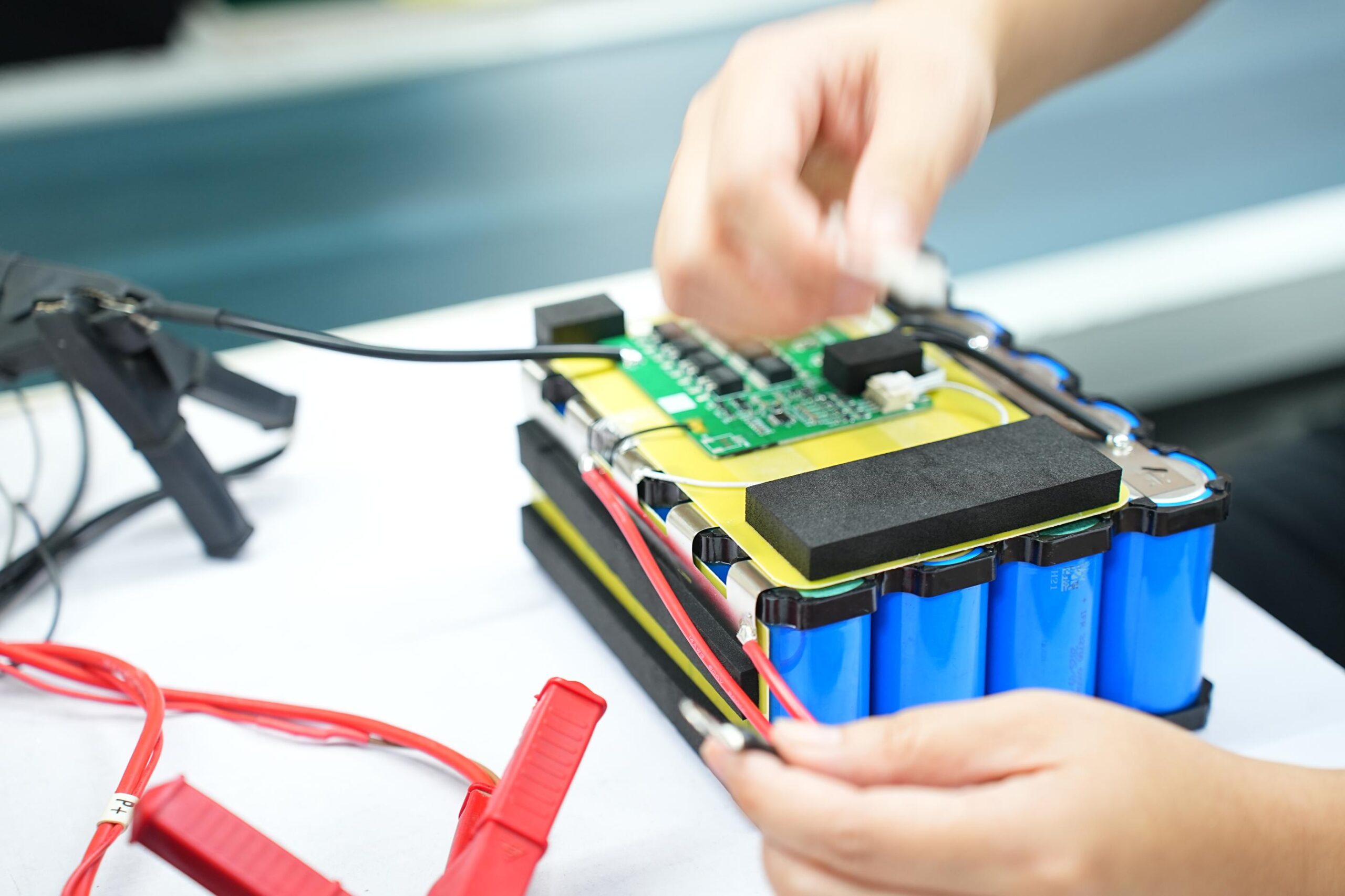
After selecting the proper cell type, the next step is to assemble cells into complete battery packs according to required voltage and amp-hour (Ah) capacity. Two basic wiring methods — series and parallel connections — are used for configuration.
Take a 3.2V, 25Ah prismatic LiFePO4 cell as an example:
Adopt a 4S5P (4 series, 5 parallel) configuration.
The final finished pack is a 12.8V 125Ah lithium battery. Different cell form factors provide flexible choices for pack size, shape, voltage and capacity. Engineers and assemblers can customize exclusive battery solutions based on actual equipment dimensions and electrical parameters.
Lithium battery configuration consists of three core parts: cell form factor selection, performance type matching and series-parallel wiring design. Cylindrical, prismatic and pouch cells each have their own strengths and targeted scenarios. Power cells focus on instantaneous high current, while energy cells pursue long-duration runtime. Reasonable series and parallel wiring can combine single cells into qualified battery packs that meet voltage and capacity requirements.
For B2B buyers, pack manufacturers and equipment developers, mastering the above configuration knowledge helps select cost-effective products, reduce after-sales failures and extend the overall service life of battery systems. If you have custom pack design or bulk cell procurement demands, consult professional technical teams for targeted solutions.