Let's Shape The Future Of Your Investments!
Natoque iaculis cursus augue urna commodo aptent morbi tortor porttitor quis ornare.
![Lithium-ion Battery Manufacturer | BAKTH Battery [Official]](https://bakth-battery.com/wp-content/uploads/2026/05/hideLogo.png)
![Lithium-ion Battery Manufacturer | BAKTH Battery [Official]](https://bakth-battery.com/wp-content/uploads/2026/05/logo.png)
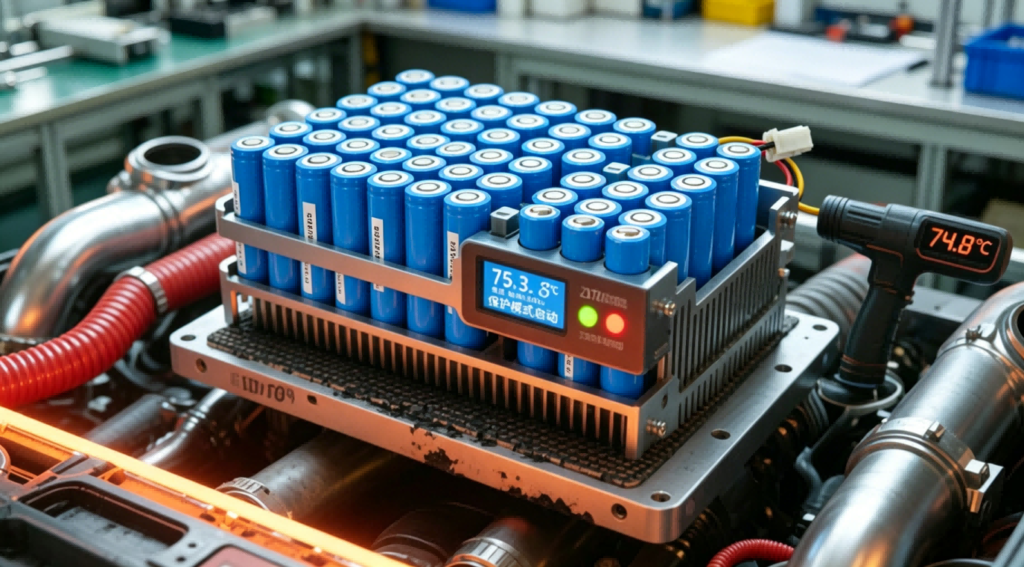
Lithium-ion batteries power everything from power tools and electric vehicles to RVs, marine equipment and large-scale energy storage systems across global industries. While they deliver superior energy density and long cycle life, their safety heavily depends on ambient and internal temperatures. For B2B wholesalers, warehouse managers, OEMs and facility operators, understanding temperature-related hazards is not just a technical detail — it is a critical step to avoid fires, equipment damage, workplace accidents and costly liability claims.
This guide explains how temperature influences lithium-ion battery safety, outlines key hazards including thermal runaway, shares industry-standard temperature parameters, and provides practical, compliant rules for handling, charging and bulk storage.
Lithium-ion batteries generate and store power through the reversible movement of lithium ions between the positive cathode and negative anode, with electrolyte acting as the conductive medium. During discharge, ions travel from the anode to the cathode to supply power. During charging, the flow reverses to replenish energy.
This entire electrochemical process is highly sensitive to temperature changes. Fluctuations in heat or cold disrupt ion activity, destabilize internal materials, and escalate safety risks. Improper temperature control, combined with rough handling or incorrect charging, is the leading cause of lithium-ion battery failures in commercial and industrial environments.
Based on global industry standards and manufacturer specifications, lithium-ion batteries perform safely and reliably within defined temperature bands. Adhering to these ranges minimizes degradation and eliminates most avoidable hazards.
Cold environments below 0°C slow internal chemical reactions, reducing usable capacity and power output. While low temperatures rarely cause immediate catastrophic failure, charging frozen batteries triggers lithium plating, which permanently damages cells over time.
High temperatures above 45°C are far more dangerous. They accelerate internal side reactions, weaken cell structures, and create conditions for overheating and fire. Regions with year-round hot climates must adopt dedicated cooling and ventilation for all battery stock and active equipment.
Critical Note: Always follow the official guidelines from your cell and pack manufacturers. General ranges serve as baseline rules for all commercial lithium-ion products.
Both extreme cold and extreme heat introduce distinct safety and performance risks for lithium-ion batteries.
When temperatures drop below 0°C:
High ambient heat poses severe, life-threatening hazards:
Thermal runaway is the most severe temperature-related hazard for lithium-ion batteries. It occurs when a battery’s internal heat generation exceeds its natural heat dissipation capacity, setting off an uncontrollable exothermic chain reaction.
Once thermal runaway starts:
For facilities storing bulk lithium-ion batteries, the greatest threat is cascading thermal runaway (the domino effect). A single failing cell generates intense heat that spreads to adjacent batteries. One fire quickly ignites the entire stack or pallet, leading to large-scale workplace fires.
Lithium-ion battery fires have unique characteristics: they burn intensely, reignite repeatedly even after initial suppression, and release toxic vapors that harm on-site staff. Standard fire extinguishers have limited effectiveness against lithium fires, making prevention far more critical than emergency response.
These rules apply to all stages: handling, installation, charging and daily operation of lithium-ion batteries. Follow them for single units and large battery fleets alike.
For short-term idle periods:
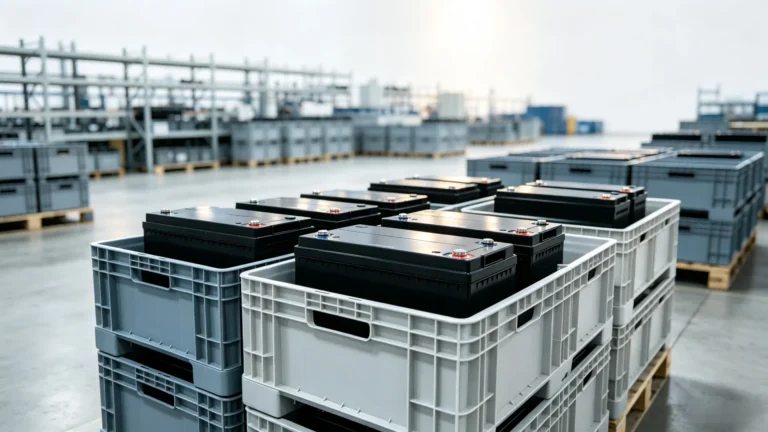
Bulk storage is a high-risk area for B2B distributors and warehouse operators. Use the following structured rules to eliminate temperature-related hazards.
Temperature is a defining factor for lithium-ion battery safety, performance and service life. Cold temperatures mainly reduce capacity and create charging risks, while extreme heat can trigger thermal runaway, cascading fires and explosions — hazards that threaten personnel, property and business continuity.
For global B2B battery suppliers, OEMs and warehouse operators, adhering to standardized temperature ranges, safe charging protocols and strict storage rules is non-negotiable. Prioritize manufacturer guidelines, invest in proper ventilation and fire protection, and train all staff on basic battery safety practices.
By controlling temperature and following universal safety standards, you can fully unlock the advantages of lithium-ion technology while eliminating preventable accidents, after-sales claims and legal risks.