




Many builders and buyers assume that LiFePO4 cells are durable enough to operate without a protection circuit. This common misconception can lead to damaged battery packs and serious safety risks. In this article, we explain why lithium battery packs need protection circuitry, what can happen without it, and the real purpose of cell balancing.
1. What Is a Lithium Battery Protection Circuit Board?
A protection circuit board, commonly known as a PCM (Protection Circuit Module) or integrated into a BMS (Battery Management System), monitors a lithium battery pack during charging and discharging. Depending on its design, it can monitor cell voltage, pack current and temperature, then disconnect the charging or discharging path when operating conditions exceed preset safety limits.
Its primary functions include protection against overcharge, over-discharge, overcurrent and short circuits. More advanced designs also provide cell balancing to help maintain consistent voltage levels across series-connected cells.
For multi-cell lithium battery packs, protection circuitry is an essential part of the battery system. It helps protect the cells from electrical faults and keeps the pack operating within its specified limits.
2. The Big Myth: Can You Skip the Protection Board for LFP Batteries?
A common misconception is that LiFePO4 (LFP) batteries are immune to overcharging and over-discharging, making protection circuits unnecessary.
LFP chemistry is generally more thermally stable than NMC and LiCoO2 chemistries, with a lower tendency toward thermal runaway under comparable abuse conditions. However, this does not mean LFP cells are immune to damage or safe to operate without protection.
Overcharging, excessive discharge, short circuits and high operating temperatures can still damage LFP cells and create safety hazards.
Series-connected packs are particularly vulnerable. Individual cells have slightly different capacities, internal resistances and self-discharge rates. Without individual cell monitoring, one cell may reach its upper or lower voltage limit before the others, even when the total pack voltage appears normal.
For this reason, commercial lithium battery packs should use protection circuitry designed for their specific chemistry, configuration and operating requirements.
3. What Happens If You Use a Lithium Pack Without a Protection Circuit?
A lithium battery pack may operate temporarily without a protection circuit, but it lacks an important layer of electrical safety.
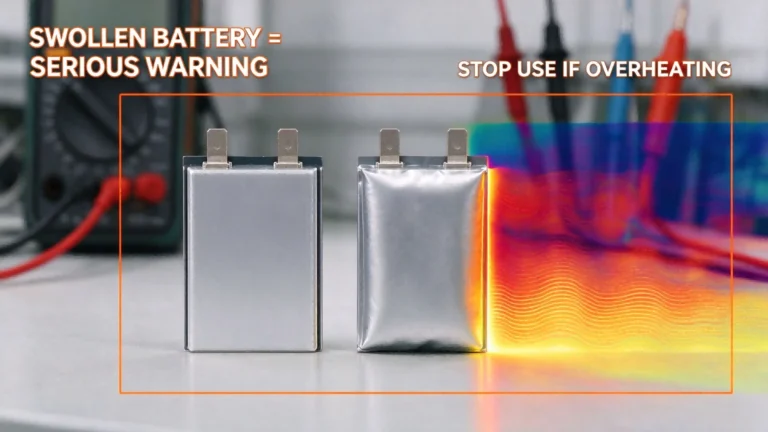
Overcharging can push cells beyond their specified voltage limits, causing electrolyte decomposition, gas generation, swelling and internal damage. Deep discharge can lead to irreversible chemical changes, capacity loss and, in severe cases, cell failure.
Short circuits can produce extremely high currents, rapid temperature increases and potentially dangerous outcomes, including venting, fire or rupture.
For reference, many conventional lithium-ion cells have a maximum charging voltage of approximately 4.20 V per cell, although the exact limit depends on the cell specification. Minimum discharge voltage and allowable current also vary by chemistry and model. A 1C discharge rate is common in some applications, but it is not a universal rating.
Without automatic protection, these operating limits can be exceeded even when users follow normal charging and discharging routines. Repeated electrical stress can significantly shorten battery life and increase the risk of unexpected failure.
4. Core Protection Functions of a Circuit Board
Overcharge Protection
During charging, the protection circuit monitors cell voltage. When a cell reaches its preset overvoltage threshold, the charging MOSFET switches off to interrupt the charging path.
Charging can resume when the cell voltage returns to the specified recovery range. This function helps prevent excessive voltage stress, electrolyte degradation and other damage caused by overcharging.
Over-Discharge Protection
When a cell voltage falls below its preset undervoltage threshold, the protection circuit disconnects the discharge path to stop the load from drawing more power.
Deep discharge can permanently damage a lithium cell and may make it difficult or unsafe to recharge. This protection is especially important for battery packs used intermittently or stored for extended periods, as self-discharge and connected standby loads can gradually reduce cell voltage.
Overcurrent and Short-Circuit Protection
If the load draws more current than the battery pack is designed to deliver, or a short circuit occurs, the protection circuit interrupts current flow.
This helps protect the cells, MOSFETs, wiring and connected equipment from excessive electrical stress. Depending on the board design, protection may reset automatically after the fault is removed or require a specific recovery procedure.
Cell Balancing for Series-Connected Packs
Cell balancing helps maintain consistent voltage and state of charge across cells connected in series.
Because individual cells have slight differences in capacity, internal resistance and self-discharge, their voltage levels can gradually diverge during operation and storage. If the imbalance becomes significant, one cell may reach its voltage limit before the others, reducing the usable capacity of the entire pack.
A BMS with balancing functionality helps reduce these differences, typically through passive or active balancing. However, not every protection board includes a balancing function, so this feature should be confirmed when selecting a battery management solution.
Important Limitation: Balancing Cannot Restore Lost Capacity
One of the most misunderstood aspects of battery management is the purpose of cell balancing.
Balancing helps equalize the voltage or state of charge of healthy cells. It cannot repair a cell that has lost capacity, developed high internal resistance or suffered permanent internal damage.
Once a cell degrades, it can become the limiting factor for the entire battery pack. Even after balancing, the weaker cell may still reach its voltage limits earlier than the others, restricting the pack’s usable capacity and runtime.
| Protection Function | Main Purpose | Risk Without Protection |
|---|---|---|
| Overcharge protection | Prevents excessive cell voltage during charging | Cell degradation, swelling and possible safety hazards |
| Over-discharge protection | Stops discharge below the safe voltage limit | Irreversible capacity loss or cell damage |
| Overcurrent protection | Limits excessive discharge current | Overheating and component damage |
| Short-circuit protection | Interrupts fault current | Rapid heating, fire or cell rupture |
| Cell balancing | Reduces voltage and charge differences between series cells | Cell imbalance and reduced usable pack capacity |
| Temperature protection | Stops operation outside specified temperature limits | Accelerated degradation and increased safety risks |
5. When a Poor-Quality Protection Board Is Also a Risk
Installing a protection board does not automatically guarantee battery safety. Poorly designed PCM and BMS boards may use underrated MOSFETs, inaccurate voltage thresholds, insufficient current capacity or inadequate thermal management.
As a result, they may fail to respond correctly to abnormal conditions, disconnect unexpectedly or overheat under normal operating loads.
When selecting a protection board or battery pack, always work with a reliable supplier and confirm that the protection system matches the cell chemistry, series configuration, continuous and peak current requirements, and operating temperature range.
For demanding applications, also check whether the BMS supports temperature monitoring, balancing, fault reporting and communication functions where required.
6. Final Takeaway
Lithium-ion and LiFePO4 battery packs need appropriate protection circuitry to operate safely and reliably. LFP chemistry offers better thermal stability than many other lithium-ion chemistries, but it does not eliminate the risks of overcharging, over-discharging, overcurrent or short circuits.
A properly selected PCM or BMS helps prevent cell damage, monitor operating conditions and protect the battery pack against common electrical faults. Cell balancing helps manage voltage differences between series-connected cells, but it cannot restore the capacity of degraded cells.
For custom lithium battery packs, the protection system should always be selected according to the cell chemistry, pack configuration and actual application requirements.
7. Frequently Asked Questions
A: It is not recommended. LFP cells are more thermally stable than many other lithium-ion chemistries, but they can still be damaged by overcharging, deep discharge and excessive current. Multi-cell series packs need appropriate cell-level monitoring and protection.
A: No. Cell balancing helps equalize voltage or state of charge, but it cannot restore lost capacity or reverse internal degradation. A weak cell can still limit the performance of the entire battery pack.
A: A PCM generally provides basic protection against overvoltage, undervoltage, overcurrent and short circuits. A more advanced BMS may also provide individual cell monitoring, temperature sensing, cell balancing, state-of-charge estimation and communication interfaces.
A: It is strongly discouraged. Manual voltage checks cannot reliably replace automatic protection against sudden short circuits, excessive current or unexpected voltage changes. A properly designed protection system is essential for reliable operation.
A: Unexpected cutoffs, abnormal heating, inconsistent charging behavior, unexplained voltage imbalance or failure to disconnect when preset protection limits are reached may indicate a problem. Cell swelling or rapid self-discharge should also be treated as serious warning signs. Stop using the pack and have it inspected by a qualified technician.