Let's Shape The Future Of Your Investments!
Natoque iaculis cursus augue urna commodo aptent morbi tortor porttitor quis ornare.
![Lithium-ion Battery Manufacturer | BAKTH Battery [Official]](https://bakth-battery.com/wp-content/uploads/2026/05/hideLogo.png)
![Lithium-ion Battery Manufacturer | BAKTH Battery [Official]](https://bakth-battery.com/wp-content/uploads/2026/05/logo.png)
Many users still follow the old habit of draining rechargeable batteries all the way to zero before re‑charging. While this practice worked for older nickel‑based cells, it creates unnecessary risks for modern lithium‑ion packs. In this guide, we break down the chemistry‑led consequences of complete discharge, compare battery technologies, and share actionable habits to extend your lithium‑ion service life.
Before diving into risks, it helps to separate two common scenarios. When your smartphone, power tool or solar battery shuts down automatically at 0 % on‑screen readout, its built‑in protection circuit usually cuts power before cell voltage drops to a dangerous level.
True over‑discharge happens when individual cell voltage falls below the safe threshold, generally 2.5V‑3.0V per cell, and remains in that low‑voltage state for hours or days. Even after your device powers off, slow self‑discharge can keep pulling voltage further down, worsening internal damage.
Every lithium‑ion battery contains three core components:
During discharge, lithium ions travel from anode to cathode, generating usable electricity. When drained far too low, harmful side‑reactions begin inside the cell that normal cycling will not reverse.
One accidental full drain rarely ruins a healthy lithium‑ion pack. However, making a habit of running batteries all the way to zero creates cumulative, long‑term degradation:
Once cell voltage drops past its lower safety limit, the copper foil used as a current collector on the anode can begin to dissolve inside the cell. This chemical corrosion cannot be undone, gradually raising internal resistance and permanently cutting usable capacity.
Lithium‑ion batteries deliver far more cycles with shallow discharge patterns. The gap in lifespan is substantial:
Consistent deep‑discharge habits can shorten your battery’s usable life by 30‑50 %.
After deep discharge, many lithium‑ion packs enter protection sleep mode. Sometimes the BMS locks the battery out completely, and the pack refuses to accept a standard recharge. In these situations, professional low‑current wake‑up charging may be required, and in worst‑case scenarios the battery cannot be recovered at all.
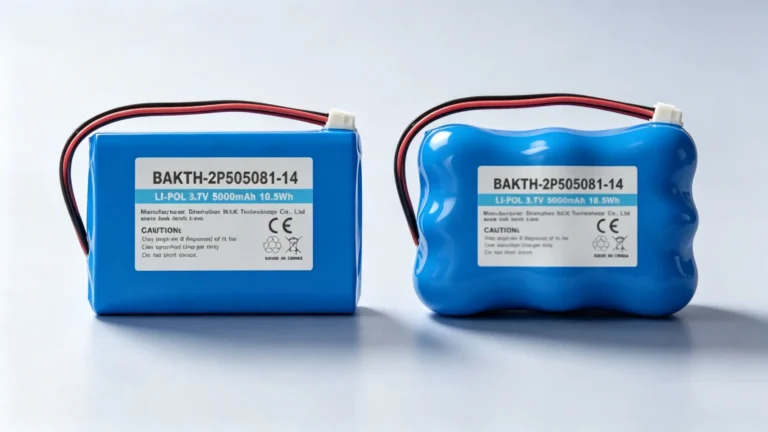
Damaged cells from over‑discharge behave unpredictably when you plug the charger back in. Internal short‑circuit risks go up, which may lead to overheating, swelling and in severe cases thermal runaway.
A big source of confusion comes from outdated charging advice created for legacy rechargeable batteries.
Ni‑MH cells were prone to the memory‑effect issue. Partial repeated cycles could make the battery “forget” its full capacity. For this chemistry, occasional full discharge was once recommended, but this rule does not transfer to lithium‑ion batteries. Lithium‑ion has zero memory‑effect, so partial top‑ups are completely safe and encouraged.
Lead‑acid batteries suffer sulfation damage when left discharged below 50 %. Just like lithium‑ion, they do not perform well with repeated deep‑cycle use.
LiFePO4 batteries deliver better deep‑discharge tolerance than NMC lithium‑ion cells. While they are more resilient, frequent draining to zero still accelerates long‑term wear. Even robust LFP home‑storage and 12 V batteries perform best when kept above 20 %.
Nearly all lithium‑ion battery manufacturers recommend avoiding both extremes: 0 % and 100 % for day‑to‑day usage. The sweet spot for long‑term health is maintaining your battery’s state‑of‑charge between 20 % and 80 %.
Simple practical rules you can follow right now:
Modern battery safety hardware removes much of the risk from accidental zero‑percent drains:
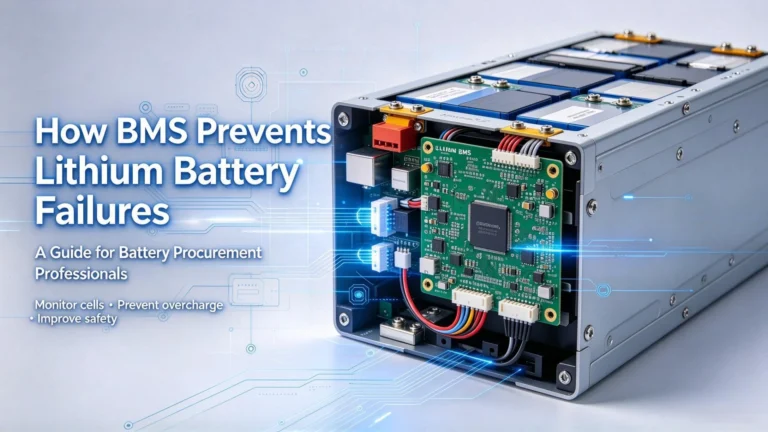
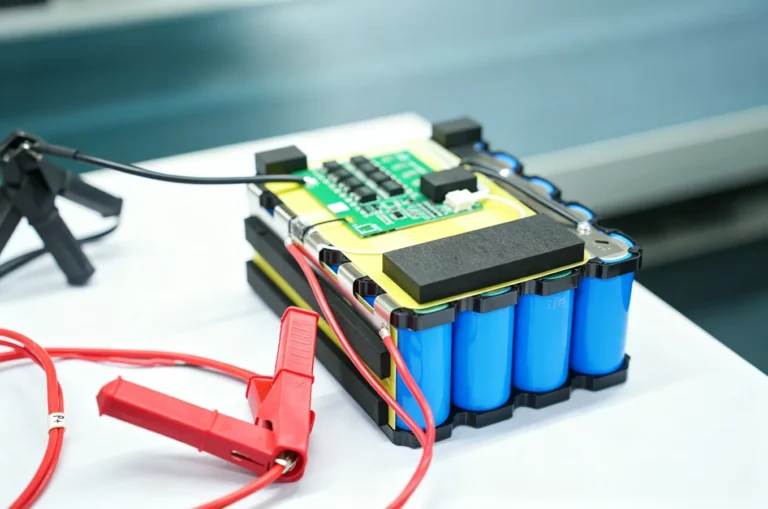
Every quality lithium‑ion pack includes a BMS. Its deep‑discharge protection function automatically disconnects the load once cells hit minimum safe voltage. Always choose batteries with reliable BMS circuits, and never attempt to bypass low‑voltage shutdown protection.
Intelligent lithium‑ion chargers monitor cell voltage and prevent over‑discharge during idle storage. Avoid cheap, unregulated chargers with no voltage cut‑off features.
If your device dies completely, follow these simple steps:
To sum up, an occasional accidental full discharge will not immediately destroy your lithium‑ion battery. However, making it a regular habit creates permanent internal wear, cuts cycle life, and raises safety risks.
Since lithium‑ion batteries have no memory‑effect, shallow, frequent top‑ups are the healthiest charging strategy. Keep your battery between 20 % and 80 % for everyday use, rely on built‑in BMS protection, and avoid long‑term storage at 0 % charge to unlock your pack’s maximum lifespan.
A: One‑off complete discharge rarely causes permanent harm, provided you recharge it quickly. Damage builds up from repeated deep‑discharge cycles and long‑term storage in a drained condition.
A: LiFePO4 cells tolerate deep discharge better, but the 20‑80 % guideline still delivers noticeably longer cycle life.
A: That guidance was written for nickel‑cadmium and NiMH batteries, which had memory‑effect issues. Lithium‑ion technology works differently.
A: 100 % charge is fine for long‑distance travel. For daily cycles, limiting your maximum charge to 80‑90 % will slow battery degradation.