Let's Shape The Future Of Your Investments!
Natoque iaculis cursus augue urna commodo aptent morbi tortor porttitor quis ornare.
![Lithium-ion Battery Manufacturer | BAKTH Battery [Official]](https://bakth-battery.com/wp-content/uploads/2026/05/hideLogo.png)
![Lithium-ion Battery Manufacturer | BAKTH Battery [Official]](https://bakth-battery.com/wp-content/uploads/2026/05/logo.png)
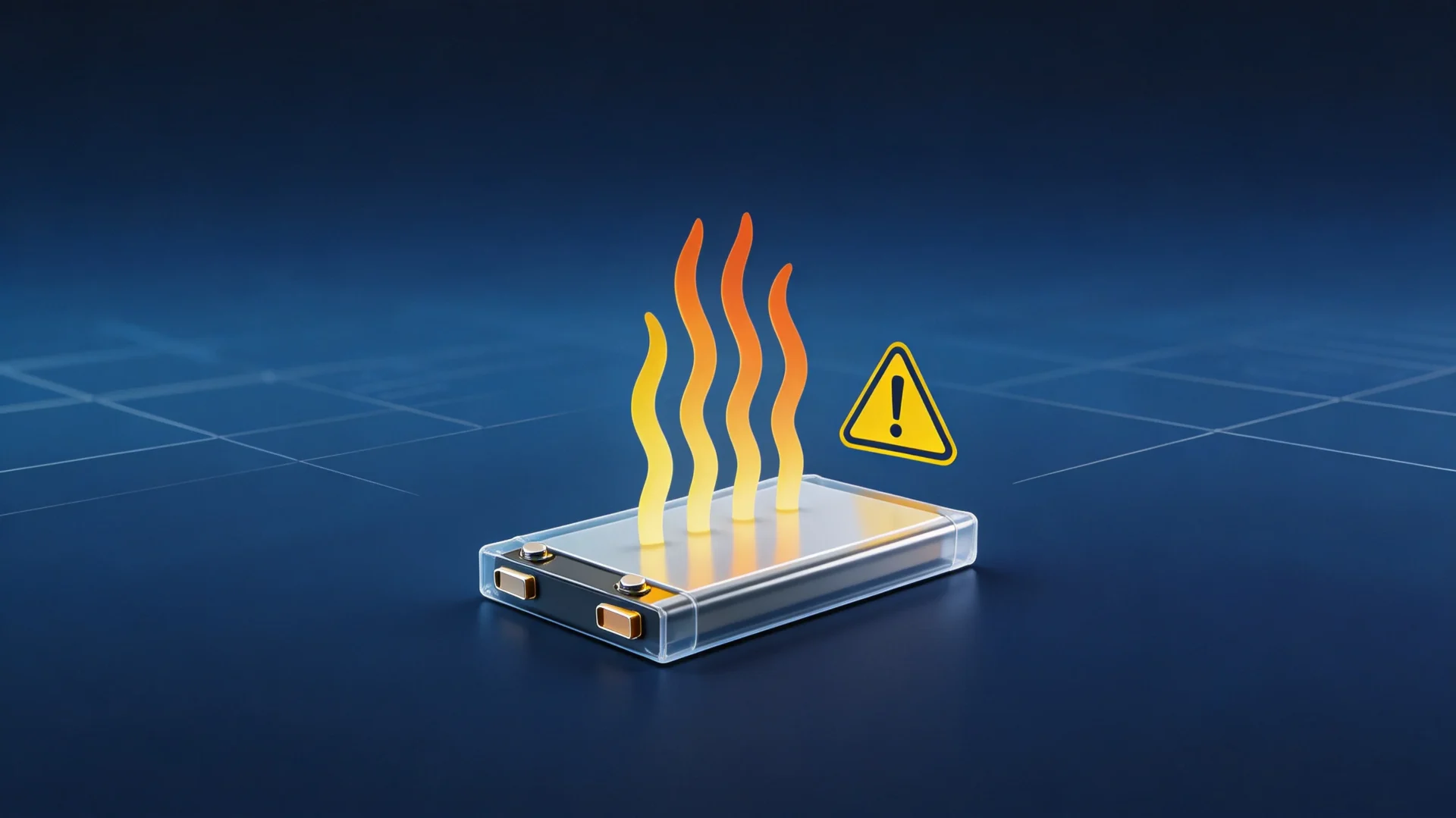
For decades, home users have debated whether refrigeration preserves unused batteries. Some chemistries see minor shelf‑life gains, yet moisture‑related risks often outweigh benefits for everyday households. This guide breaks down which batteries may benefit, hidden hazards, and manufacturer‑backed best practices for battery storage.
The habit of putting spare batteries inside refrigerators traces back to early zinc‑carbon disposable cells, widely used across households through much of the 20th century.
Lab data confirms zinc‑carbon batteries retain higher capacity when kept at 40‑50 °F (5‑10 °C). After four years in this cool environment, these cells hold roughly 80 % of their original charge. In comparison, units stored at typical room temperature (70 °F / 21 °C) drop down to 65 % remaining capacity. This measurable improvement turned fridge storage into common household wisdom for generations.
When alkaline batteries hit consumer markets in the 1950s, many people applied this same cooling trick to the new cells. Unlike zinc‑carbon chemistries, alkaline batteries show almost no meaningful reduction in self‑discharge from refrigeration. Confusion grew because early real‑world tests mixed multiple battery types: tests run mostly on alkaline cells showed zero advantage, leading many people to dismiss cold storage entirely as an old‑wives’ tale.
Cool temperatures can slow internal chemical decay, yet refrigeration creates practical downsides most consumers overlook.
When cold batteries move from chilled fridge air into warmer room‑temperature surroundings, condensation forms across casing surfaces and metal terminals. This trapped moisture triggers terminal rust, casing corrosion, and in worst‑case scenarios electrolyte leakage. The risk rises further as battery operating heat amplifies moisture buildup right after removal from cold storage.
Another key downside: cold batteries deliver weaker performance immediately after you take them out. Internal resistance rises under low temperatures, so devices will drain cells faster until they fully warm up. Any shelf‑life advantage gained from cooling can quickly vanish if you install cold batteries straight into equipment without adequate acclimatization time.
Even major battery brands send mixed public messaging. One well‑known manufacturer explicitly advises against fridge or freezer storage for modern consumer batteries in consumer FAQs. At the same time, its technical application documents acknowledge zinc‑carbon cells achieve better shelf‑life when held between 5‑10 °C. Contradictory official guidance easily confuses regular end‑users.
Not all battery types react the same way to low‑temperature environments. Understanding these differences helps you avoid unnecessary risk.
Household‑level fridge storage is not recommended for day‑to‑day convenience. Cold cooling delivers the greatest value for commercial inventory doing multi‑year long‑term preservation. If you still opt for refrigeration for specific battery types, strictly follow these safeguards:
For most homes, skip the refrigerator entirely. The optimal setup is a dry, dark cabinet with stable room temperature between 60‑70 °F (15‑21 °C), away from direct sunlight, kitchen heat sources and humidity spikes. This simple approach avoids condensation risk while still keeping self‑discharge rates acceptably low for all modern consumer battery chemistries.
A: Almost never. Modern alkaline cells are engineered for low self‑discharge at room temperature. Refrigeration yields negligible shelf‑life improvement while introducing real corrosion risks from condensation when taken out of the fridge.
A: Cool conditions can reduce self‑discharge rates, yet high humidity inside most fridges creates moisture hazards. For home users, a cool dry closet remains the safer choice. If cold‑storing lithium‑ion cells commercially, use sealed moisture‑proof containers and complete multi‑hour warm‑up cycles before use.
A: Cold batteries have higher internal resistance. They will deliver weaker power output and drain noticeably faster. Any storage‑life gains you achieved through refrigeration get partially lost right away. Condensation may also seep into your device and cause permanent damage.
A: No. Freezing can damage internal seals and separator materials inside cells, permanently hurting performance or triggering leakage. Freezer storage should always be avoided for consumer‑grade batteries.
A: Target stable 60‑70 °F (15‑21 °C), low‑humidity, dry indoor storage. Avoid garages, attics, or locations with large swings between hot and cold temperatures.