Let's Shape The Future Of Your Investments!
Natoque iaculis cursus augue urna commodo aptent morbi tortor porttitor quis ornare.
![Lithium-ion Battery Manufacturer | BAKTH Battery [Official]](https://bakth-battery.com/wp-content/uploads/2026/05/hideLogo.png)
![Lithium-ion Battery Manufacturer | BAKTH Battery [Official]](https://bakth-battery.com/wp-content/uploads/2026/05/logo.png)
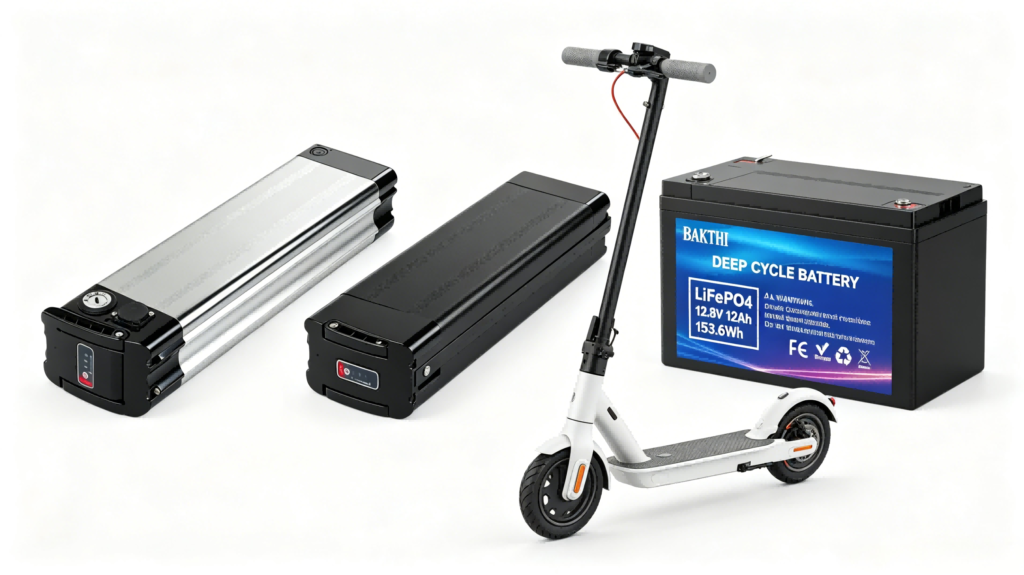
Choosing the right battery is critical to your e-bike’s riding experience, running cost and long-term reliability. Lead acid and lithium-ion are the two most mainstream power sources for electric bikes on the market. Many riders, bike retailers and fleet operators struggle to pick between them: one comes with low upfront cost, while the other delivers superior overall performance.
In this comprehensive guide, we compare lead acid and lithium-ion e-bike batteries across weight, lifespan, charging speed, cold resistance, maintenance and total cost. You will figure out which one is the optimal solution for different usage scenarios.
As a classic rechargeable battery technology with over a century of history, lead acid batteries were widely used on early electric bikes and low-cost scooters. Sealed lead acid (SLA) models are the most common type for e-bikes today. The biggest advantage lies in low manufacturing and purchase cost, which helps keep the total price of entry-level e-bikes down.
However, this traditional technology has obvious inherent defects. Excessive weight, short cycle life, slow charging and poor low-temperature performance limit its application on modern electric bikes.
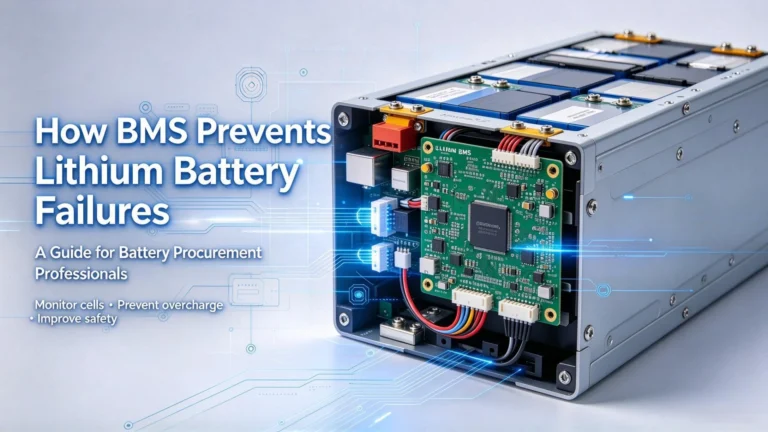
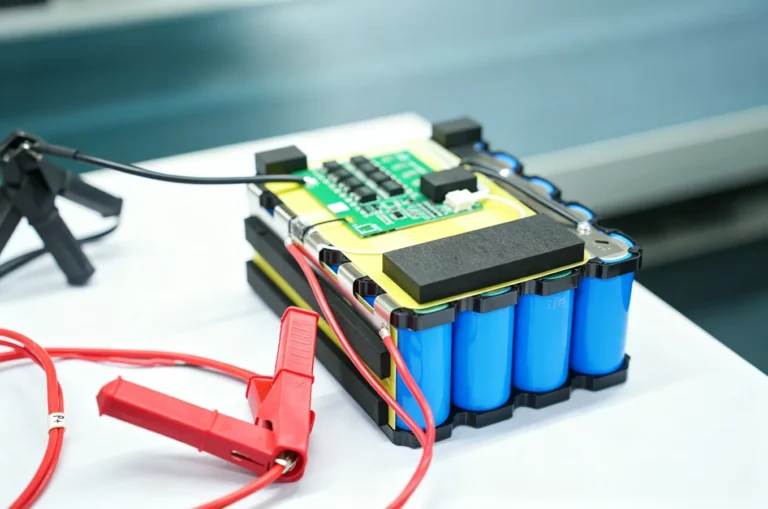
Lithium-ion has become the standard battery for new-generation e-bikes. Featuring high energy density, lightweight design and stable discharge performance, it is favored by mainstream e-bike brands, daily commuters and long-distance riders. Equipped with built-in BMS (Battery Management System), lithium-ion packs realize intelligent protection, lower maintenance work and greatly improve overall safety.
Though the initial purchase price is higher, its comprehensive performance and service life make it a cost-effective choice for long-term use.
We list core parameters in a clear table for intuitive reference:
| Comparison Factor | Lead Acid Battery | Lithium-Ion Battery |
|---|---|---|
| Weight (Same Capacity) | Very heavy, around 3 times heavier | Lightweight, only 1/3 the weight of lead acid |
| Energy Density | Low (30–40 Wh/kg) | High (100–150 Wh/kg) |
| Typical Cycle Life | 200–300 full charge cycles | 500–1000 full charge cycles |
| Charging Time | Slow, 5–8 hours for full charge | Fast, takes only 1/3 of lead acid charging time |
| Discharge Performance | Severe voltage sag below 50% power, bike feels sluggish | Stable output all the way, strong power at 20% remaining charge |
| Cold Weather Performance | Very poor; capacity drops by nearly 50% at -18°C | Moderate loss (20–30% capacity), still works normally |
| Self-Discharge Rate | High, loses power quickly when idle | Low, maintains charge well during storage |
| Daily Maintenance | High requirement; avoid deep discharge and irregular charging | Low maintenance; BMS provides full protection |
| Environmental Impact | Contains toxic lead substances, strict recycling rules | No heavy metal pollution, mature recycling system |
For riders who commute to work or school every day, weight and sustained power matter a lot. Heavy lead acid batteries make the bike hard to pedal when the motor is off. Once the battery is half drained, the riding experience declines obviously.
Lithium-ion batteries keep steady power output from full to low charge. The light weight also makes parking, moving and carrying the bike much easier. For long-term daily commuting, lithium-ion is far more comfortable.
Low temperature is the biggest challenge for lead acid batteries. In freezing weather, its available capacity plummets sharply, resulting in much shorter range and weak power.
Lithium-ion also loses partial capacity in cold conditions, but the impact is limited. It can still offer reliable riding performance. A small tip: store lithium batteries indoors and install them right before riding, and never charge frozen lithium cells.
When climbing slopes, e-bikes need instant high current output. Lead acid batteries suffer serious voltage drop under heavy load, leading to insufficient climbing power. Its extra weight also increases riding resistance.
Lithium-ion delivers strong peak current consistently. The lightweight body plus stable power makes hill climbing effortless, which is an absolute advantage for areas with many slopes.
Thanks to low energy density, lead acid batteries need larger size and heavier weight to achieve long range, which is not practical. Lithium-ion stores more energy in compact space, supporting longer travel distance without adding extra burden. Many long-distance e-bike users choose dual lithium battery packs for extended trips.
Many budget buyers are attracted by the low upfront price of lead acid batteries, but you need to calculate the total cost over years of use.
Calculated by total usage over 3–5 years, lithium-ion has a much lower average annual cost. For e-bike retailers and rental fleets, lithium-ion also reduces batch replacement work and customer complaints.
✅ Pros
❌ Cons
✅ Pros
❌ Cons
For 90% of personal riders and commercial users, lithium-ion battery is the optimal choice for e-bikes.
A: Under daily use, a standard lead acid battery lasts about 1 to 2 years, or 200–300 charge cycles. Its capacity will decline obviously after that.
A: Yes. Qualified lithium-ion e-bike batteries are equipped with complete BMS, which provides overcharge, over-discharge, overcurrent and temperature protection. Formal certified products are safe for daily use.
A: It will lose 20%–30% range in cold weather, but still runs well. Remember to store it indoors and avoid charging when the battery is frozen.
A: Because lithium-ion outperforms lead acid in weight, lifespan, power and usage experience. With the gradual drop of lithium battery cost, it has become the mainstream configuration for modern e-bikes.
A: It is still a viable option for temporary use, occasional riding and ultra-low budget demands. But for long-term regular use, it cannot match lithium-ion in overall value.
After comparing performance, usage experience, environmental adaptability and total cost, we draw a clear conclusion:
It addresses almost all pain points of lead acid batteries, including heavy weight, short life, poor cold resistance and unstable power. The slightly higher upfront cost is fully offset by longer service life and better comprehensive performance.
Lead acid batteries are only suitable for temporary, low-budget and infrequent use scenarios. If you want a reliable, comfortable and cost-effective e-bike power source for long-term use, lithium-ion is definitely your best pick.
As a professional battery manufacturer, BAKTH supplies high-quality lithium-ion e-bike batteries with complete safety protection and stable performance. We support standard models and customized packs for e-bike brands, retailers and wholesale partners worldwide. Contact us to get detailed specs and wholesale quotes.