Let's Shape The Future Of Your Investments!
Natoque iaculis cursus augue urna commodo aptent morbi tortor porttitor quis ornare.
![Lithium-ion Battery Manufacturer | BAKTH Battery [Official]](https://bakth-battery.com/wp-content/uploads/2026/05/hideLogo.png)
![Lithium-ion Battery Manufacturer | BAKTH Battery [Official]](https://bakth-battery.com/wp-content/uploads/2026/05/logo.png)
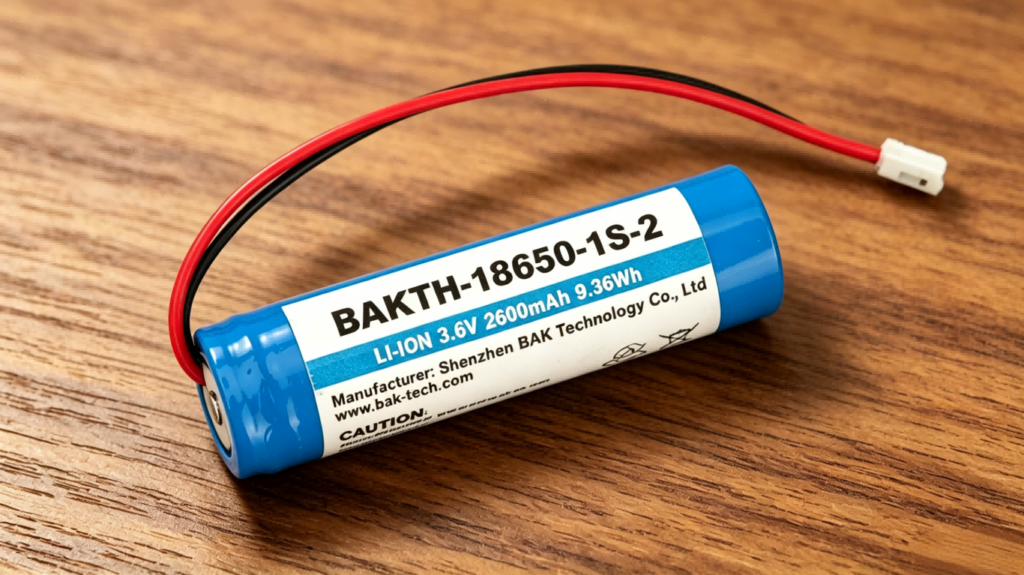
For e-bike OEMs, drone manufacturers, portable device brands, energy storage installers and battery wholesalers across the globe, battery weight is never just a simple physical parameter. It is closely linked to product performance, transportation costs, structural design and end-user experience.
Overly heavy batteries will increase the load of mobile equipment, reduce cruising range and flexibility, and raise logistics expenses for bulk shipments. In contrast, properly lightweight lithium batteries can optimize product competitiveness, cut freight fees, and expand applicable scenarios.
In this guide, we break down the weight differences among mainstream battery types, list standard weight data for common models, and share targeted suggestions for B2B buyers to select suitable batteries based on weight demands.
To understand battery weight scientifically, you need to master energy density (Wh/kg) — the core indicator that determines the weight of a battery under the same capacity. Energy density refers to the energy stored per kilogram of the battery. The higher the energy density, the lighter the battery with the same power capacity.
This fundamental difference is the key reason why lithium batteries have gradually replaced traditional lead acid batteries in most mobile and portable scenarios. All our subsequent weight comparisons are based on the standard ambient temperature (25°C) and finished battery packs (including cells, casing and BMS).
We compare three mainstream battery technologies widely used in the global market. All data adopts the same rated voltage and capacity for fair comparison, covering single cells and finished packs.
| Battery Type | Energy Density (Wh/kg) | Relative Weight (Same Capacity) | Core Weight Features | Main Application |
|---|---|---|---|---|
| Lead Acid (SLA/Flooded) | 30 – 50 | Heaviest (100% benchmark) | Bulky, large volume, low energy utilization | Low-cost stationary equipment, entry-level e-bikes |
| LiFePO4 Battery | 90 – 160 | 40% ~ 50% of lead acid | Moderate weight, excellent stability, long cycle life | E-bikes, tricycles, solar energy storage, fleet vehicles |
| NMC Lithium-Ion | 180 – 265 | 30% ~ 40% of lead acid | Lightest, highest energy density | Drones, smartphones, laptops, high-end portable devices |
1. Under the same capacity, LiFePO4 batteries are 50% to 60% lighter than lead acid batteries, while NMC lithium-ion batteries are 60% to 70% lighter than lead acid batteries.
2. NMC cells have the best lightweight performance, so they are the first choice for weight-sensitive equipment such as drones and handheld devices.
3. LiFePO4 is slightly heavier than NMC, but it wins with superior safety and cycle life, making it the mainstream for transportation and energy storage equipment.
Below are the actual weight of mainstream finished battery packs sold in bulk, which can be used as a direct reference for your product design and procurement:
All BAKTH finished batteries adopt optimized structural design. While ensuring safety and protection performance, we control the overall weight within the industry’s optimal range.
For B2B buyers and manufacturers, battery weight will affect multiple links from production to after-sales:
Many buyers find that batteries with the same cell capacity have different total weights. The main influencing factors are as follows:
When placing customized orders, please clarify your weight limit to the supplier in advance.
Combined with different application scenarios, we provide targeted procurement suggestions for global B2B buyers:
Choose NMC lithium-ion batteries with high energy density. Focus on single cell weight and compact pouch design. Strictly control the total weight of the finished pack, and do not pursue excessive protective structures that increase load.
Select standard LiFePO4 batteries. Its weight is only half of lead acid, and it has outstanding safety and cycle life. It is the most cost-effective choice for two/three-wheeler fleets.
Weight is not the primary factor for indoor fixed energy storage systems. Prioritize LiFePO4 with long cycle life and stable performance. There is no need to blindly pursue lightweight design.
Give priority to standardized lightweight lithium packs to cut logistics costs. Confirm the gross weight of each carton with the supplier before shipment to calculate freight budgets accurately.
If you have strict weight limits for OEM products, communicate with the manufacturer to optimize casing and internal structure on the premise of ensuring safety.
A: The weight difference comes from cell chemistry, casing material, BMS structure and heat dissipation components. NMC is lighter than LiFePO4; plastic casings are lighter than metal casings. You can confirm the internal configuration with the supplier.
A: No. Excessively lightweight products may cut corners on protective structures and casing materials, bringing hidden safety hazards. We need to balance weight, safety and service life according to usage scenarios.
A: Taking ocean freight as an example, lithium batteries that are 50% lighter than lead acid can reduce nearly half of the weight-based freight costs, which is a huge advantage for large-quantity wholesale.
A: Yes. Professional manufacturers can adjust casing, auxiliary parts and cell matching within a reasonable range to meet your weight requirements, while ensuring basic safety performance.
A: Standard 3200~3500mAh 18650 lithium cells weigh 48~50g per piece. Cells with obviously lighter weight are likely to be inferior or refurbished products.
Battery weight is a key indicator that runs through product design, production, transportation and end use. Compared with traditional lead acid batteries, lithium batteries (LiFePO4 and NMC) have absolute advantages in lightweight performance.
NMC lithium-ion is suitable for weight-sensitive mobile equipment, while LiFePO4 is the preferred solution for commercial vehicles and energy storage that balance weight, safety and lifespan. As a professional battery manufacturer, BAKTH provides standardized and customized lithium battery packs for global B2B clients. We strictly control product weight and quality, and support weight optimization design according to your project demands.
If you need battery samples, bulk quotations or customized solutions matching weight requirements, please feel free to contact our sales and technical team.