Let's Shape The Future Of Your Investments!
Natoque iaculis cursus augue urna commodo aptent morbi tortor porttitor quis ornare.
![Lithium-ion Battery Manufacturer | BAKTH Battery [Official]](https://bakth-battery.com/wp-content/uploads/2026/05/hideLogo.png)
![Lithium-ion Battery Manufacturer | BAKTH Battery [Official]](https://bakth-battery.com/wp-content/uploads/2026/05/logo.png)

Lithium battery packs power a wide range of applications, including industrial robots, e‑bikes, medical equipment, and portable energy systems. Many businesses and users store spare battery packs for months or even years. But can lithium battery packs degrade even when they are not being used?
The answer is yes. Lithium battery packs continue to age during storage, even when they are not connected to equipment. Storage temperature, state of charge, cell quality, and battery management system (BMS) design all influence long‑term battery performance.
In this guide, we explain how lithium battery packs degrade during storage, the risks of prolonged inactivity, and practical storage guidelines to help preserve battery performance and service life.
Even when a lithium battery pack is not powering any equipment, chemical reactions inside its cells continue over time. This natural aging process is known as calendar aging.
One of the most noticeable changes is self‑discharge. Lithium‑ion cells gradually lose charge during storage, although the rate varies depending on cell chemistry, temperature, age, and battery design.
Battery packs equipped with a BMS may also experience a small amount of standby power consumption. If the pack remains unused for an extended period, this additional power consumption can contribute to a gradual reduction in cell voltage.
Beyond self‑discharge, chemical reactions at the electrode surfaces can contribute to changes in the cells’ internal resistance and available capacity.
As internal resistance increases, the battery pack may experience:
For multi‑cell battery packs, another important consideration is cell imbalance.
Individual cells may have slightly different capacities, self‑discharge rates, and aging characteristics. Over time, these differences can cause the voltage levels between cells to diverge.
In a series‑connected battery pack, one cell may reach its low‑voltage protection threshold before the others. Depending on the BMS design, this condition may trigger protection and prevent normal operation.
Key Risks of Long‑Term Battery Storage
Proper storage conditions and periodic inspections can help reduce these risks.
Storing lithium battery packs at 100% charge for extended periods is generally not recommended.
A high state of charge (SOC) maintains the cells at a higher voltage, which can accelerate calendar aging, particularly when combined with elevated temperatures.
On the other hand, storing a battery pack at an extremely low state of charge can increase the risk of over‑discharge. If one or more cells fall below the manufacturer’s specified minimum voltage, permanent damage may occur.
For many conventional lithium‑ion battery packs, a storage SOC of approximately 40%–60% is a practical starting point. However, the ideal storage level depends on the cell chemistry, manufacturer recommendations, and expected storage duration.
For example, some manufacturers may recommend a storage range of 30%–50% or 40%–60%. Always follow the specific storage instructions for the battery pack.
| Storage Condition | Potential Impact |
|---|---|
| 100% SOC | Higher voltage stress and potentially faster aging during prolonged storage |
| Very low SOC | Increased risk of over‑discharge, especially during extended storage |
| 40%–60% SOC | Common practical storage range for many lithium‑ion batteries |
| Manufacturer‑recommended SOC | Preferred reference for specific battery chemistry and design |
Important: A suitable storage SOC helps reduce aging and over‑discharge risks, but it cannot prevent all forms of battery degradation.
There is no universal storage period that applies to every lithium battery pack.
A battery’s storage life depends on several factors, including:
A well‑designed lithium battery pack may remain in storage for several months with limited performance loss when stored under suitable conditions. However, six to twelve months should not be treated as a guaranteed safe storage period for every battery pack.
Some battery packs may require more frequent inspection, especially when the BMS has continuous standby power consumption or the pack contains cells with different aging characteristics.
Temperature is one of the most important factors affecting lithium battery storage. For many lithium‑ion batteries, a cool, stable environment is preferable to prolonged exposure to high temperatures. A storage temperature around 15°C–25°C may be suitable for many applications, but the manufacturer’s specified range should take priority.
High temperatures can accelerate chemical aging and capacity loss. Very low temperatures can affect battery performance and charging can affect battery performance and charging safety. In particular, lithium‑ion batteries should not be charged outside their approved temperature range.
Excessive humidity can contribute to corrosion of battery terminals and damage to certain pack components. Store battery packs in a dry environment and protect them from moisture exposure. The appropriate humidity conditions depend on the battery pack’s enclosure, insulation, and manufacturer’s specifications.
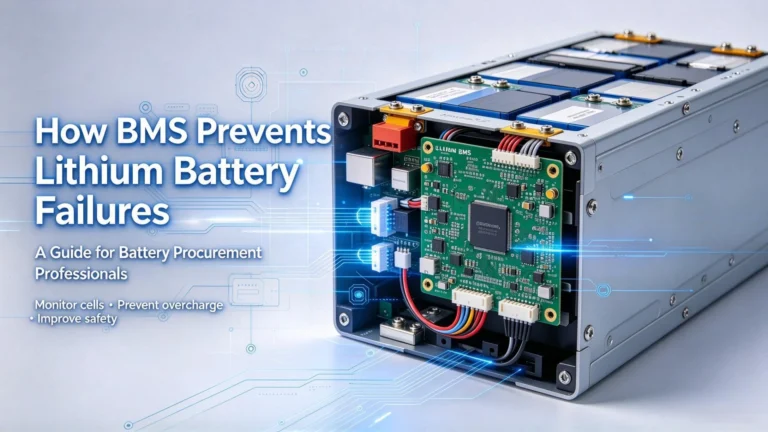
Cell quality and BMS design influence long‑term storage performance. High‑quality cells with consistent electrical characteristics can help reduce variation between cells. A properly configured BMS can monitor battery conditions and provide protection against issues such as over‑discharge and overcharge.
However, a BMS cannot eliminate all storage‑related risks or prevent natural battery aging.
Inspect stored lithium battery packs periodically, based on the manufacturer’s maintenance recommendations. For many battery systems, checking the pack every 3‑6 months may be a practical maintenance interval. Batteries with higher standby consumption, uncertain storage conditions, or critical applications may require more frequent checks. If the battery’s SOC has dropped below the recommended storage range, recharge it using compatible equipment and the manufacturer’s approved procedures.
Yes. A lithium battery pack can experience permanent damage even when it is not actively being used. Long‑term storage can contribute to capacity loss, increased internal resistance, and cell imbalance. If a battery pack remains at a very low state of charge for too long, one or more cells may fall below their safe voltage limits. Severe over‑discharge can cause irreversible damage and may make the battery unsafe to recharge.
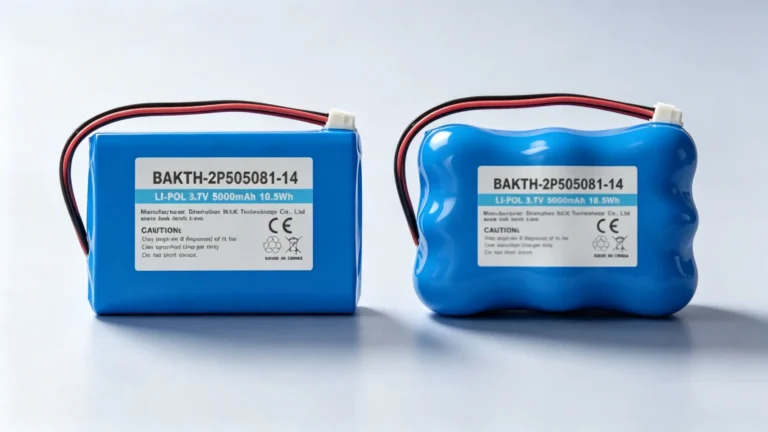
These symptoms do not always indicate the same underlying problem. A professional battery assessment may be necessary to determine whether the issue involves cell aging, BMS protection, wiring, or internal damage.
Do not attempt to force‑charge a battery that shows swelling, physical damage, or signs of severe over‑discharge.
The self‑discharge rate of a lithium battery pack varies according to its cell chemistry, temperature, age, state of charge, and overall design. Some lithium‑ion cells have relatively low self‑discharge rates under suitable storage conditions. However, the battery pack’s total charge loss may also be affected by BMS standby consumption and other connected circuits. Therefore, it is not accurate to assume that every lithium battery pack loses 2%–3% of its capacity per month.
Why Is Cell Imbalance a Concern?
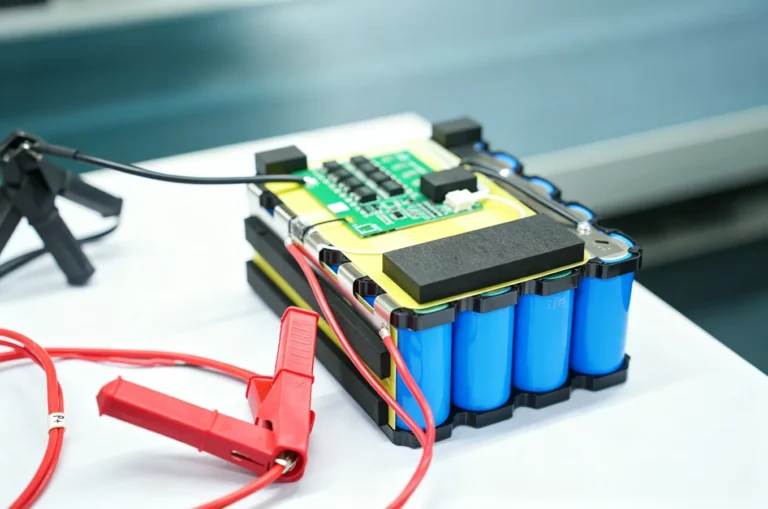
In a series‑connected battery pack, the total pack voltage is determined by the combined voltage of its cells. However, each individual cell must remain within its permitted operating range. If one cell reaches a low‑voltage threshold earlier than the others, the BMS may activate protection. This is why monitoring individual cell conditions is important when maintaining multi‑cell lithium battery packs for long‑term storage.
Follow these practical steps before placing lithium battery packs into long‑term storage.
Lithium battery packs have a limited service life, even when they are not being used. This is because calendar aging continues during storage. Chemical reactions inside the cells gradually affect their capacity, internal resistance, and overall performance.
However, there is no universal expiration date for all lithium battery packs. The usable storage life depends on the battery chemistry, cell quality, initial storage conditions, temperature, BMS design, and other factors.
Some battery packs may maintain acceptable performance for several years under suitable storage conditions. Others may experience significant degradation much sooner, particularly when stored at high temperatures or in unsuitable conditions. It is not technically reliable to claim that all lithium battery packs will remain in good condition for 2‑3 years or become unreliable after 5‑8 years.
Instead, battery performance should be evaluated according to: manufacturer storage specifications, battery age, measured capacity, cell voltage consistency, internal resistance, physical condition, application safety requirements. For industrial and medical applications, battery replacement decisions should be based on documented performance and safety requirements rather than storage age alone.
Signs That a Stored Lithium Battery Pack May Need Replacement
A qualified battery technician can help determine whether the battery pack can continue operating safely or requires replacement.
A: Long‑term storage without inspection is not recommended. The battery may experience self‑discharge, calendar aging, BMS standby consumption, or cell imbalance during this period. The appropriate inspection frequency depends on the battery design and storage conditions. For many systems, checking the battery every 3‑6 months may be a practical starting point, but you should follow the manufacturer’s recommendations.
A: Assembled battery packs often contain multiple cells connected in series or parallel. In a series‑connected pack, differences in cell voltage and capacity can create cell imbalance over time. Single cells do not have the same multi‑cell balancing requirements, but they can still experience self‑discharge, aging, and over‑discharge risks. Battery pack storage requires attention to both individual cell conditions and the overall BMS design.
A: A garage may experience significant temperature fluctuations, especially during hot summers or cold winters. Prolonged exposure to high temperatures can accelerate battery aging, while unsuitable cold conditions may affect battery performance and charging safety. If garage storage is permitted by the battery manufacturer’s guidelines, select a dry, temperature‑controlled or otherwise suitable storage area and follow the recommended inspection procedures. Avoid storing batteries near flammable materials or in locations exposed to excessive heat and moisture.
A: Stop using and charging the battery immediately. Do not puncture, disassemble, compress, or attempt to repair the swollen battery pack. Keep it away from flammable materials when this can be done safely, and arrange professional handling or disposal according to local battery safety and recycling requirements. If the battery is hot, smoking, or showing signs of fire, move away from the area and contact emergency services when appropriate.
A: A properly designed BMS can provide protection against conditions such as overcharge, over‑discharge, and overcurrent. However, a BMS cannot completely prevent calendar aging, all forms of cell imbalance, or every possible storage‑related failure. Long‑term battery reliability depends on the combined performance of the cells, BMS, pack design, storage environment, and maintenance procedures.
Lithium battery packs continue to age even when they are not being used. Self‑discharge, calendar aging, cell imbalance, and BMS standby consumption can all influence long‑term storage performance. To reduce storage‑related risks:
Proper battery pack design and storage management are essential for maintaining long‑term reliability.
For businesses developing industrial equipment, medical devices, e‑bikes, and portable energy systems, selecting the right battery chemistry, cell configuration, BMS, and protective housing can help support long‑term application performance.
BAKTH Battery provides customized lithium battery pack solutions for industrial and commercial applications.
Our customization capabilities include:
Whether you need battery packs for robotics, medical equipment, e‑bikes, or energy storage systems, we can discuss your application requirements and explore a suitable battery pack solution.
Contact BAKTH Battery to discuss your custom battery pack requirements.