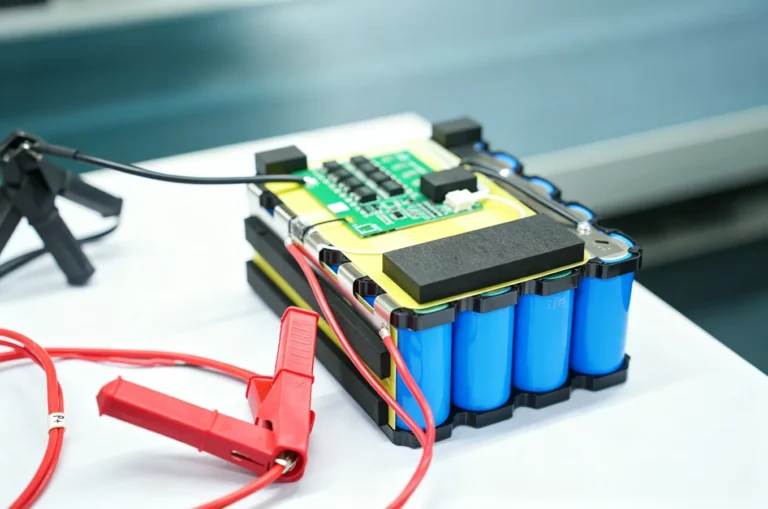
Lithium-Ion Battery Overcharge: Causes, Dangers & Proven Prevention Tips

Overcharging is one of the most common and dangerous issues for lithium-ion batteries. It leads to capacity loss, swelling, internal damage and even severe safety incidents. As a professional lithium battery manufacturer serving global wholesalers, OEMs and system integrators, we break down the overcharge mechanism, key warning signs, main causes and practical solutions in this guide. You will learn how to avoid overcharge risks in production, bulk supply and daily application.


1. What Is Lithium-Ion Battery Overcharge?

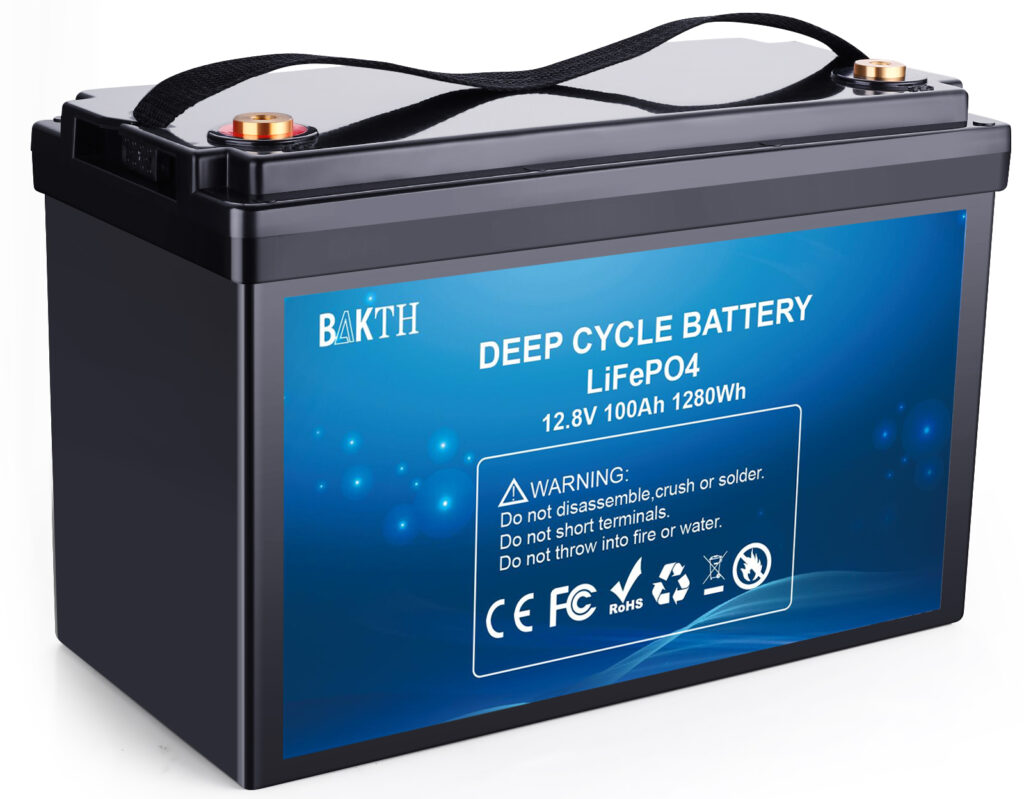
Every lithium battery has a fixed safe cut-off voltage. Standard NMC lithium-ion cells stop charging at 4.2V per cell, while LiFePO4 batteries use 3.65V as the upper limit.

Lithium-ion battery overcharge happens when charging continues after the cell reaches its full rated voltage and maximum state of charge (SOC). This problem is especially prominent in series-connected battery packs. Due to slight differences between individual cells, some cells get fully charged earlier, yet the whole pack keeps charging, resulting in partial overcharge.

Many users rely fully on built-in protection systems. While protective parts reduce risks, long-term abnormal charging will still bring irreversible harm to lithium cells.

2. How Overcharging Damages Lithium Cells Internally

Under normal charging, lithium ions move orderly from cathode to anode. Once overcharging occurs, the internal chemical balance is completely disrupted, triggering a series of destructive reactions:

  • Lithium dendrite formation: Excess lithium cannot be embedded into the anode and forms sharp metallic crystals. These dendrites may pierce the separator and cause internal short circuits.
  • Cathode degradation: Sustained high voltage destroys the cathode structure and releases oxygen, which reacts violently with the electrolyte inside the cell.
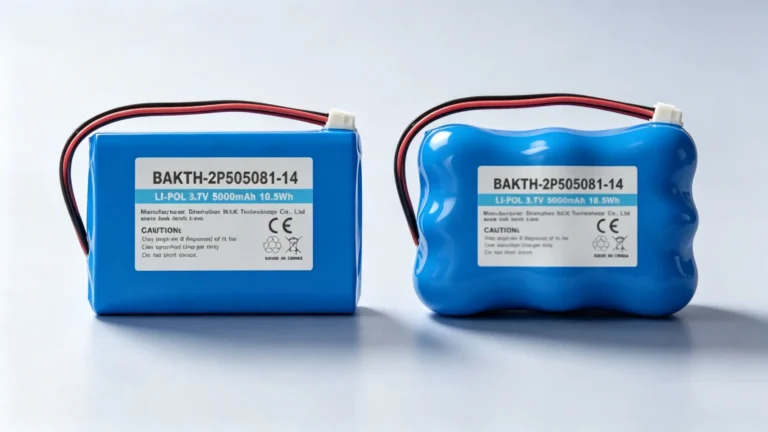
  • Gas generation & swelling: The electrolyte decomposes rapidly and produces large amounts of flammable gas. Rising internal pressure makes the battery bulge and deform.
  • Thermal runaway: Continuous heat accumulation will eventually lead to smoking, fire or even explosion in serious cases.

Even mild overcharge will raise internal resistance, speed up capacity fading and shorten the overall cycle life of lithium batteries.

3. Clear Warning Signs of an Overcharged Battery

Overcharge damage develops gradually. You can spot problems early with these typical signs:

Early-stage signs

  • The battery feels unusually hot during or right after charging.
  • Charging takes much longer than usual, and the charger never stops outputting power.
  • The usable runtime drops obviously after a full charge, which means permanent capacity loss.

Moderate damage

  • Visible bulging or deformation on the battery casing.
  • Strange chemical odors or minor electrolyte leakage.

Severe hazards

  • Sudden power cut caused by internal short circuits during use.
  • Overheating, smoke and fire.

4. Top Causes of Lithium Battery Overcharge

  1. Mismatched or low-quality chargers
    Cheap universal chargers or chargers designed for other battery types lack accurate voltage cut-off functions. They keep supplying current nonstop and easily cause overcharge.
  2. Faulty or aging BMS
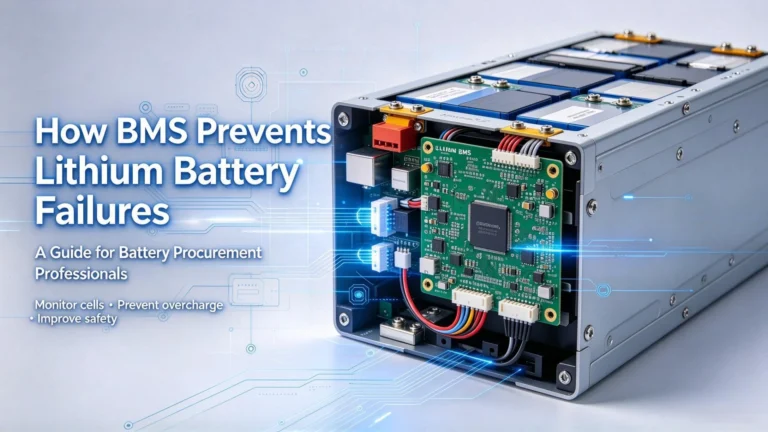
    The Battery Management System is the core protection component. If its voltage and current detection modules fail or wear out after long use, it cannot cut off the charging circuit in time.
  3. Cell imbalance in battery packs
    Individual cells have slight differences in voltage and capacity. In series packs, fully charged cells are forced to keep bearing high voltage, which leads to repeated overcharge.
  4. Poor charging habits
    Habitually leaving batteries plugged in overnight means cells stay under high voltage for hours, bringing cumulative damage.
  5. Extreme working temperatures
    High heat distorts BMS sensor data and accelerates chemical reactions. Low temperature slows ion movement and delays charging cutoff. Both situations increase overcharge risks.

5. Reliable Overcharge Prevention Solutions

For Battery Manufacturers & Bulk Producers

  • Equip qualified standard BMS
  • Adopt high-quality internal materials
  • Strict batch testing

For Distributors & End Users

  • Use dedicated chargers that match your battery type.
  • Choose chargers with auto power-off and timing functions.

Daily Charging Rules

  • Unplug the charger immediately once fully charged.
  • Charge in cool, dry and ventilated areas.
  • Isolate swollen, overheated or smelly batteries at once.

6. Scene-Based Protection Tips for Different Uses

  • Consumer Electronics: Use original or certified chargers.
  • RV & Off-Grid Solar Storage: Calibrate voltage regularly and check balance every 3 months.
  • E-Bikes & Electric Vehicles: Do not modify circuits; replace aging BMS timely.
  • Drones & Power Tools: Use low-current charging, avoid continuous fast charging.

7. FAQ for Battery Buyers & Operators

Q1: Can an overcharged lithium battery be repaired?

A: No. Internal damage is permanent. Replace the defective battery.

Q2: Can BMS fully prevent all overcharge risks?

A: A qualified BMS is reliable but not 100% foolproof. Combine with good charging habits.

Q3: What is the best SOC range to extend battery life?

A: Keep SOC between 20% and 80%.

Q4: Are LiFePO4 and regular lithium-ion batteries using the same charging standard?

A: No. They have different cut-off voltages.

Q5: How to handle bulk batteries with overcharge problems?

A: Isolate defective units, inspect BMS and chargers, dispose safely.

8. Final Summary

Lithium-ion battery overcharge is a hidden danger that affects both product performance and operational safety. It is caused by mismatched accessories, faulty protection components, cell imbalance and improper use.

For battery manufacturers, controlling quality from the source with standard BMS, premium materials and strict testing is the key to lowering overcharge rates. For wholesalers, installers and end users, selecting matched chargers and following standardized charging rules can effectively extend battery service life and avoid safety accidents.

As a direct lithium battery factory, BAKTH supplies stable and safe lithium-ion batteries, LiFePO4 batteries, LiPo packs and custom solutions for global B2B clients. We implement complete overcharge protection on all products to reduce your after-sales troubles. Feel free to contact our team for product catalogs and wholesale quotes.


Leave a Reply

Your email address will not be published. Required fields are marked *

Let's start customizing your ideal batteries right away.

Please fill in your contact information in the form, and we will get in touch with you within 24 hours.

Contact Us