Why Do Lithium Batteries Bulge & Swell Over Time: Full Science, Safety Risks & Prevention Guide

1. Quick Key Takeaways

  • Lithium battery bulging is triggered by trapped flammable internal gas from uncontrolled electrolyte decomposition and electrode side reactions.
  • Top four triggers: overcharging, long-term chemical aging, extreme temperature exposure, and manufacturing quality flaws.
  • Even minor swelling creates fire, rupture and toxic leakage risks; swollen batteries cannot be repaired and require immediate replacement.
  • Consistent safe charging, cool dry storage, regular inspections and high-quality certified cells drastically reduce swelling odds.
  • Heat accelerates all internal chemical breakdown; high temperatures double gas production speed and speed up irreversible bulging.

2. Core Science: What Causes Lithium Battery Bulging & Internal Gas Buildup

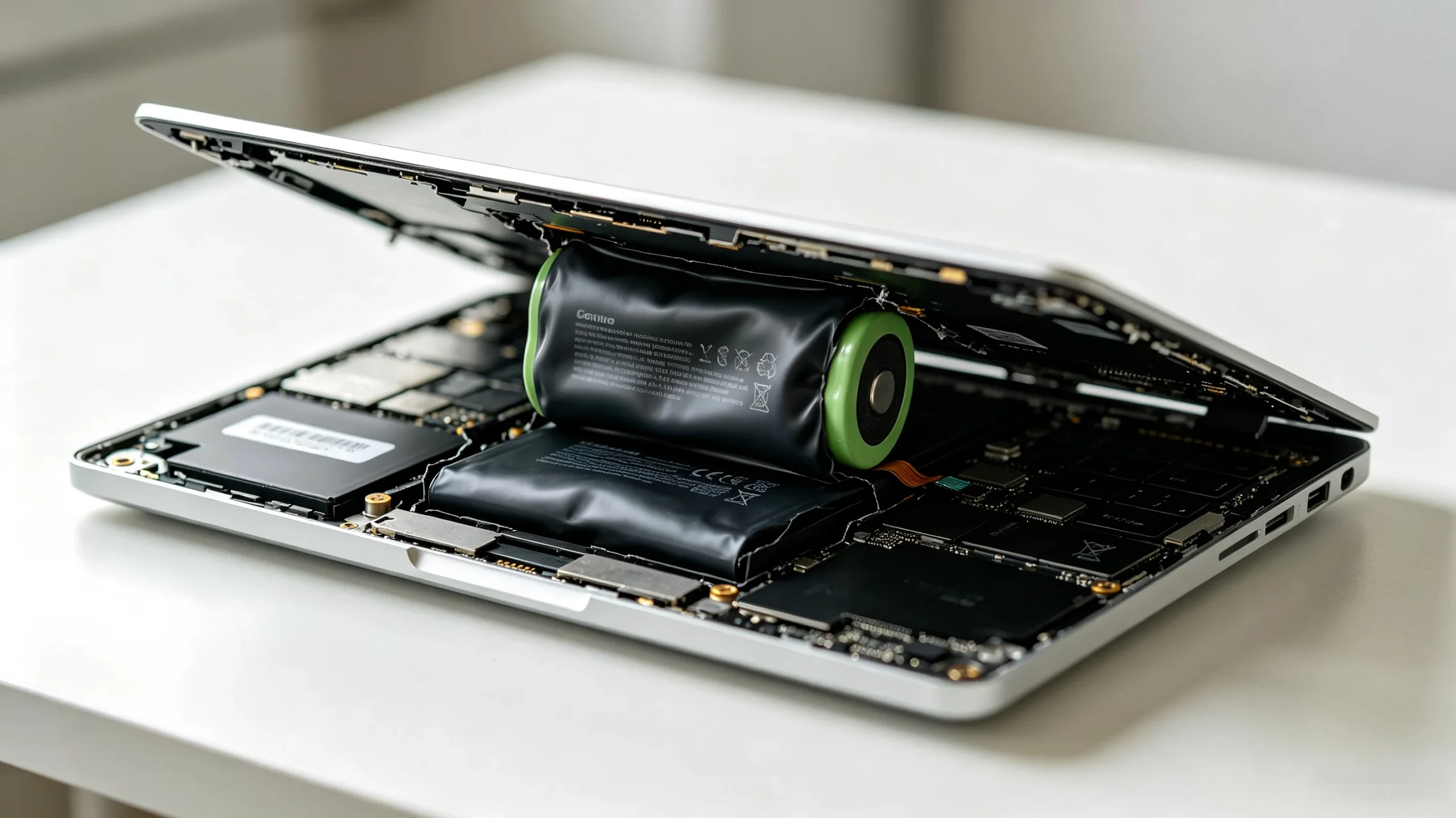
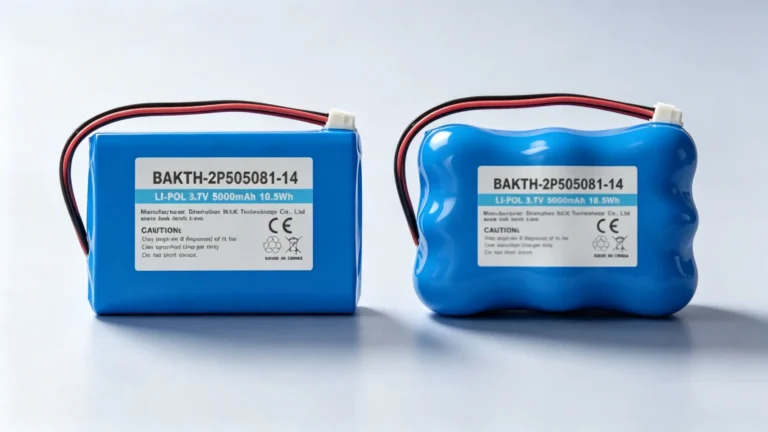
All lithium-ion and LiFePO4 cells are fully sealed hermetic systems designed to contain chemical reactions during normal charge-discharge cycles. Battery swelling (bulging / puffing) occurs when continuous internal side reactions produce large volumes of trapped gas that cannot escape the sealed casing, creating outward physical pressure that warps pouch, prismatic or cylindrical cell housings.

Key chemical mechanisms driving permanent expansion:

  1. Electrolyte solvent oxidation releases CO₂, methane and ethylene gas when voltage or temperature exceeds safe thresholds.
  2. Unstable SEI (Solid Electrolyte Interphase) layers on graphite anodes repeatedly break down and regenerate, consuming electrolyte and generating residual gas over hundreds of cycles.
  3. Lithium metal plating on anode surfaces reacts with liquid electrolyte to form additional flammable gas, worsening internal pressure buildup.
  4. Thermal expansion of electrode materials combined with gas accumulation creates irreversible volumetric swelling that never recedes, even after cooling or partial discharge.

Visible bulging always signals irreversible internal cell damage — minor temporary thermal expansion during normal use is normal, but permanent casing deformation is a critical safety red flag.

3. Four Root Causes of Lithium Battery Swelling

3.1 Overcharging & Voltage Irregularities (Most Common Trigger)

Overcharging is the leading cause of lithium battery swelling across consumer electronics, RV power banks and industrial battery packs. When charging voltage exceeds the cell’s rated safe limit, cathode material structures destabilize and release free oxygen, which violently oxidizes organic electrolyte solvents to generate massive amounts of trapped gas.

Unregulated voltage from cheap generic chargers, faulty BMS protection boards, or leaving devices plugged in continuously for days accelerates this breakdown. Excess voltage also worsens lithium plating on the anode, amplifying long-term gas buildup and permanent swelling.

Critical risk: Severe overcharging can push cells straight into thermal runaway before visible bulging even appears.
Prevention baseline: Only use chemistry-matched smart chargers with automatic voltage cutoff and avoid 100% long-term float charging.

3.2 Natural Aging & Long-Term Chemical Degradation

Every lithium battery slowly degrades with repeated charge-discharge cycles, even under perfect operating conditions. Aging erodes electrode structural integrity, thickens unstable SEI layers, and raises internal cell resistance over time.

Two aging-related swelling drivers:

  1. Degraded anode/cathode materials restrict lithium-ion flow, triggering uneven ion deposition and lithium plating that produces steady trace gas over months/years.
  2. Slow baseline electrolyte decomposition accumulates residual gas inside sealed cells, leading to gradual, permanent bulging in batteries aged 2+ years.

Older batteries develop weaker internal sealing and reduced pressure tolerance, making them far more prone to puffing after only minor thermal or electrical stress.

3.3 Extreme Hot & Cold Environmental Temperature Extremes

Temperature directly controls the speed of all internal chemical reactions inside lithium cells:

  • High temperatures above 45°C drastically speed electrolyte decomposition and SEI breakdown, doubling gas generation rates for every 10°C temperature rise above room temperature. Common hot exposure scenarios: devices left in parked cars, unventilated battery cabinets, summer attic storage, continuous high-load discharge without cooling.
  • Extreme cold below -20°C thickens electrolyte, slowing ion transport and causing uneven charge distribution. Localized lithium plating occurs on cold anodes, creating isolated gas pockets and uneven cell swelling over repeated cycles.

Even short-term heat exposure combined with full 100% charge storage creates compounded swelling risk that accumulates over seasonal storage cycles. The industry recommended safe operating window for all lithium cells is 15°C – 35°C.

3.4 Manufacturing Defects & Loose Quality Control Standards

Premature swelling can occur in brand-new batteries due to production flaws that introduce permanent internal chemical instability:

  • Excess moisture trapped inside cells during dry-room assembly: Water reacts with lithium salt electrolytes to produce corrosive HF acid and hydrogen gas, causing early bulging within weeks of use.
  • Uneven electrode coating, misaligned cell winding, or metal particle contamination: Micro-shorts form between anode and cathode, generating localized heat and continuous gas production.
  • Poor sealing or weak laminate pouch welds: Slow moisture ingress over time accelerates electrolyte breakdown and gradual pressure buildup.

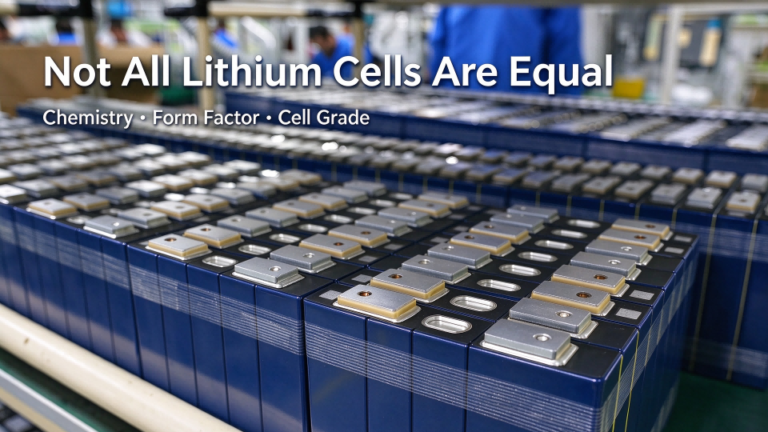
CT scanning analysis of low-cost uncertified smartphone and power bank batteries regularly reveals these structural defects as root causes of unexpected swelling with perfect charging habits. Investing in UL/UN38.3 certified cells eliminates most factory-related bulging risks.

4. Severe Safety & Operational Risks of a Swollen Lithium Battery

4.1 Thermal Runaway, Fire & Explosion Hazards

Trapped flammable gas creates extreme internal pressure that can rupture the battery casing without warning. Rupture releases hot electrolyte, toxic fumes and combustible gas that ignites instantly from small sparks or ambient heat, triggering thermal runaway — a self-sustaining chain reaction that generates hundreds of degrees of heat in seconds.

Real-world documented swelling-induced fire incidents:

  • 2017 Dell laptop cases where swollen lithium packs warped chassis and ignited during charging
  • Portable MP3, tablet and smartphone spontaneous smoke emissions from bulging pouch cells
  • 2021 Microsoft Surface series widespread chassis cracking and component burning linked to battery swelling

Even disconnected, non-charging swollen batteries pose rupture risk as trapped gas pressure continues to build over time. Never squeeze, puncture or cut a bulging cell to release internal gas.

4.2 Permanent, Costly Damage to Devices & Equipment

Expanding swollen battery casings exert constant outward mechanical pressure on surrounding hardware components:

  • Smartphones: Lifted, cracked or displaced touchscreen displays
  • Laptops: Warped plastic/aluminum chassis, broken internal wiring and damaged motherboards
  • Power stations/RV battery banks: Crushed adjacent cells, broken terminal connectors and short circuit hazards

2021 industry reports recorded over 250 Microsoft Surface device failures caused solely by swollen lithium battery mechanical pressure. In multi-cell battery packs, one swollen cell creates uneven physical stress that damages neighboring healthy cells and shortens full bank lifespan.

4.3 Toxic Chemical Leaks & Environmental/Health Concerns

Severely swollen batteries risk electrolyte rupture and leakage of corrosive, toxic organic solvents:

  • Human health hazards: Skin chemical burns, lung irritation from inhaled HF and hydrocarbon fumes, eye tissue damage from direct electrolyte contact.
  • Environmental contamination: Leaked electrolyte pollutes soil and groundwater when improperly discarded in household trash or landfills.

Swollen lithium batteries qualify as hazardous waste in North America, EU and Australia, requiring certified e-waste recycling rather than standard garbage disposal.

5. How to Spot Early Signs of Battery Swelling Before Hazards Occur

Regular visual and functional inspections catch bulging at the earliest, most manageable stage:

  1. Visible physical deformation: Rounded, puffy casing, uneven bulging, warped battery edges that no longer fit tight inside device compartments.
  2. Device mechanical shifts: Lifted screens, loose battery covers, gaps between chassis and casing from internal cell expansion.
  3. Abnormal thermal behavior: The battery runs noticeably hotter during light charging or low-load use.
  4. Rapid capacity fade: Sudden massive runtime drop despite full charge, accelerated self-discharge during idle storage.
  5. Unusual odors: Sweet, sharp chemical fumes escaping from battery seams (sign of electrolyte venting and advanced swelling).

Any single visible deformation confirms irreversible internal damage — cease use immediately and isolate the battery in a fireproof ventilated area.

6. Actionable Strategies to Stop Lithium Battery Bulging

6.1 Safe Charging Rules to Prevent Gas Generation

  1. Only use manufacturer-certified chargers matched to your battery’s chemistry (NMC, LFP, LiPo) with built-in overvoltage cutoffs.
  2. Avoid overnight continuous charging; unplug devices once fully charged to eliminate float voltage stress.
  3. Limit daily fast charging to emergency use only — high-current fast charging generates excess heat and accelerates lithium plating.
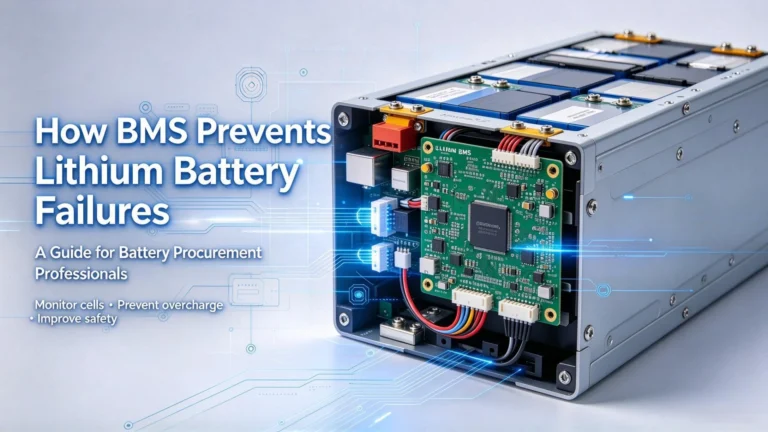
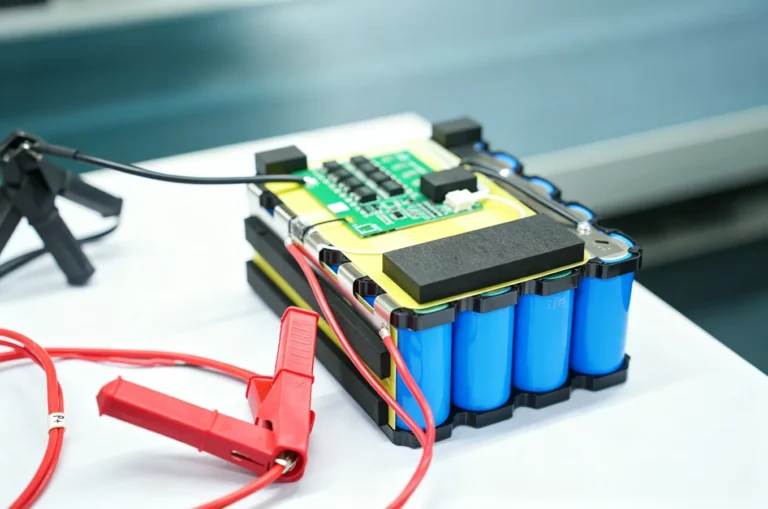
  4. Install functional BMS protection boards for all multi-cell battery packs to block overcharge and over-discharge conditions.

6.2 Ideal Storage & Handling Guidelines

  1. Long-term seasonal storage: Charge lithium batteries to 40%–60% state of charge, not full 100%, to lower internal voltage stress and slow electrolyte breakdown.
  2. Store all batteries in cool, dry environments (10°C – 25°C), away from direct sunlight, vehicle interiors and heat-generating machinery.
  3. Avoid physical bending, crushing, punctures or heavy compression that creates hidden internal micro-shorts.
  4. Maintain low humidity storage spaces; moisture ingress is a major driver of long-term cell swelling.

6.3 Routine Maintenance & Regular Inspection Checklist

  1. Monthly visual inspection: Check all batteries for casing bulging, discoloration, or chemical odors.
  2. Annual performance testing: Measure full charge capacity to flag aging cells with high internal resistance (high swelling risk).
  3. Ventilation maintenance: Clear blocked battery box vents for RV, solar and industrial power systems to prevent heat trapping.
  4. Timely replacement: Retire lithium batteries after 2–3 years of regular cycling to eliminate age-related swelling hazards.

7. Frequently Asked Questions

Q1: Can a lithium battery bulge naturally just from aging, without overcharging or heat?

A: Yes. Slow baseline electrolyte decomposition and SEI layer degradation generate trace gas over hundreds of cycles, leading to mild or severe swelling in aged batteries even under perfect operating conditions.

Q2: Is a slightly swollen lithium battery safe to keep using if the device still powers on?

A: No. Any visible bulging means trapped flammable gas and permanent internal damage. Continued use drastically raises fire, rupture and thermal runaway risk — replace and recycle immediately.

Q3: Can you repair or deflate a swollen lithium battery to reuse it?

A: No. There is no safe DIY or industrial repair process for swollen lithium cells. Puncturing or squeezing the battery releases combustible gas and may trigger instant flame; damaged cells require full replacement.

Q4: Do cold temperatures cause lithium battery swelling over time?

A: Extreme cold below -20°C creates uneven lithium plating and localized gas pockets, leading to gradual swelling after repeated cold charge-discharge cycles. Heat remains the far larger swelling accelerant.

Q5: How do manufacturing defects lead to brand-new battery swelling?

A: Uncontrolled dry-room moisture, misaligned electrode winding, metal contamination and poor pouch sealing trap reactive impurities inside cells, generating gas within weeks of normal use even with correct charging habits.

8. Final Safety Summary

Lithium battery bulging and swelling is caused by trapped internal flammable gas from four core sources: unregulated overcharging, natural long-term chemical aging, extreme hot/cold temperature exposure, and manufacturing quality control defects.

Swollen batteries present multi-layered risks: thermal runaway fires, permanent device hardware damage, and toxic chemical leakage harmful to human health and ecosystems. Early visual inspection paired with consistent safe charging, cool dry storage and scheduled battery replacement can nearly eliminate swelling hazards for consumer electronics, off-grid power, mobility and industrial battery packs.

If you discover any bulging deformation on a lithium cell, discontinue use, isolate the battery in a ventilated fire-safe zone, and arrange certified hazardous waste recycling — never attempt to repair or continue operating a compromised swollen battery.


Leave a Reply

Your email address will not be published. Required fields are marked *

Let's start customizing your ideal batteries right away.

Please fill in your contact information in the form, and we will get in touch with you within 24 hours.

Contact Us