Let's Shape The Future Of Your Investments!
Natoque iaculis cursus augue urna commodo aptent morbi tortor porttitor quis ornare.
![Lithium-ion Battery Manufacturer | BAKTH Battery [Official]](https://bakth-battery.com/wp-content/uploads/2026/05/hideLogo.png)
![Lithium-ion Battery Manufacturer | BAKTH Battery [Official]](https://bakth-battery.com/wp-content/uploads/2026/05/logo.png)
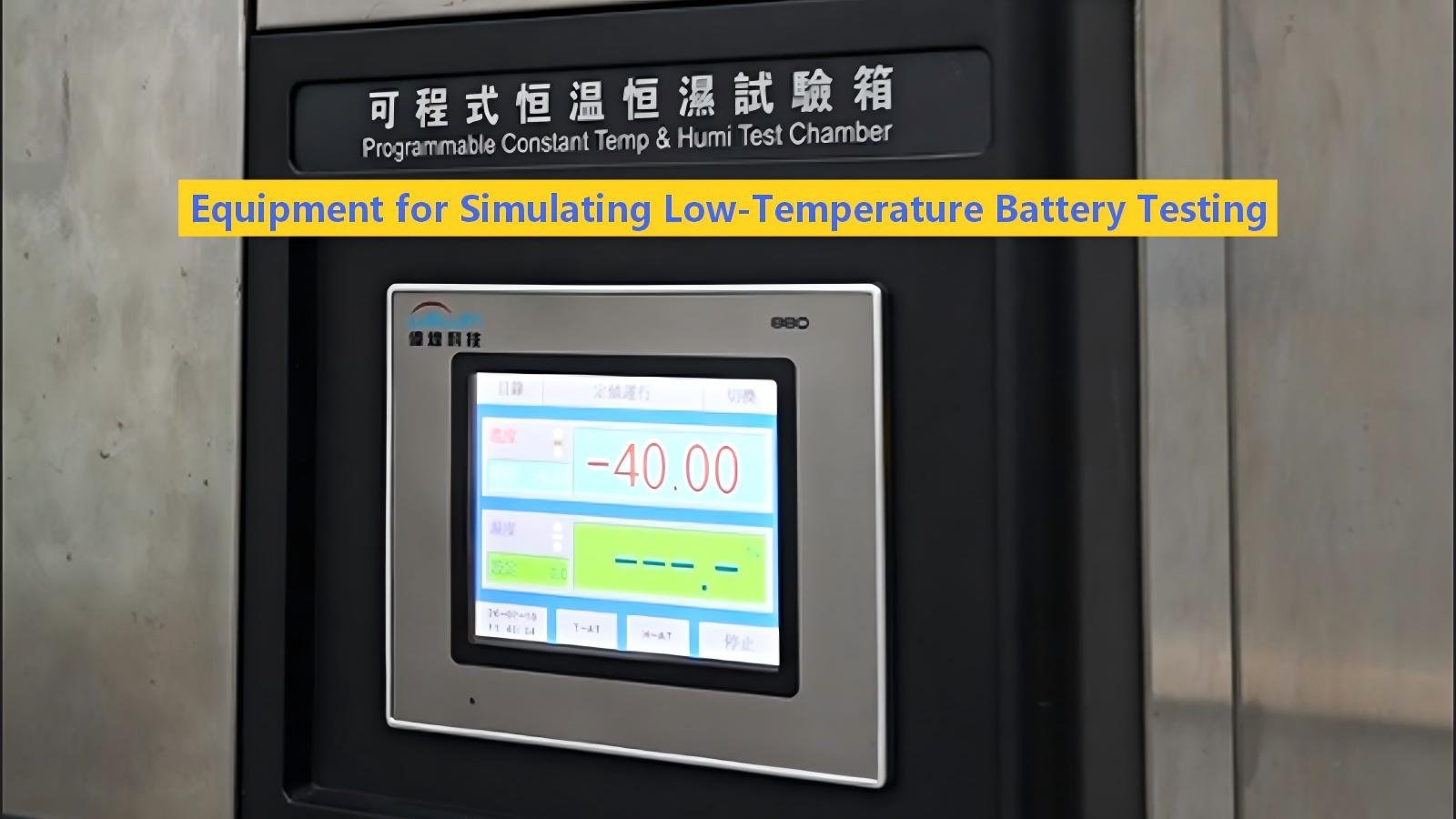
OEMs, drone fleets, EV operators and off-grid solar installers working in cold northern, high-altitude and winter outdoor sites face constant battery failures in low temperatures. Sub-25°C and freezing conditions alter lithium cell electrochemistry, causing power cuts, short runtime, unstable voltage and early battery scrappage.
Many teams underestimate cold damage: improper charging and long subzero exposure permanently ruin cells, raising replacement costs and fire risks. This guide explains cold-induced battery chemical changes, lists capacity retention data, analyzes three shutdown causes, shares industrial thermal management for bulk OEM orders, and introduces BAKTH’s unique low-temperature battery solutions for frigid environments.
All lithium battery performance relies on reversible lithium ion migration between cathode and graphite anode. Cold environments disrupt this core process through four interconnected failure mechanisms:
The Solid Electrolyte Interphase (SEI) protective film naturally forms on graphite anodes during normal cycling. At low temperatures, ion transport barriers rise sharply, forcing continuous uncontrolled SEI growth. The thickened film blocks lithium ion shuttle movement, permanently raising baseline internal resistance and locking active lithium ions away from normal charge-discharge cycles. Long-term cold storage creates irreversible SEI thickening that cannot be reversed by warming cells back to room temperature.
Liquid electrolyte acts as the transport medium for lithium ions, and cold conditions drastically raise its viscosity — comparable to syrup thickening in refrigeration. Thickened electrolyte severely slows ion diffusion speed between electrodes, cutting charge acceptance efficiency and creating severe voltage sag under heavy load discharge. Generic standard electrolytes lose most conductivity below -10°C, while BAKTH’s customized low-temperature anti-freeze electrolyte maintains stable fluidity down to -40°C.
Every 10°C temperature drop triggers a dramatic rise in pack internal resistance, bringing two critical operational losses:
This is the most destructive cold-temperature failure mode, exclusive to charging operations below 0°C. Cold slows lithium ion intercalation into graphite anode pores, so metallic lithium deposits on anode surfaces instead of embedding into electrode structures. Over repeated cold charging cycles, needle-like lithium dendrites grow through separator films, creating latent internal micro-shorts that can trigger thermal runaway during later high-load operation. Lithium plating damage is fully irreversible and permanently reduces pack cycle life by 40%–70%.
This industrial reference table displays real-world usable capacity retention across mainstream battery types under subzero temperatures, clearly demonstrating LiFePO4’s dominant cold-climate stability:
| Ambient Temperature | LiFePO4 (LFP) | NCM/NCA Ternary Lithium | Lead-Acid Flooded | AGM Lead-Acid |
|---|---|---|---|---|
| 0°C | 90–95% | 85–90% | 80% | 85% |
| -10°C | 75–80% | 65–75% | 60% | 65% |
| -20°C | 60–70% | 40–55% | 40–50% | 50–55% |
| -30°C | 40–50% | 25–35% | <25% | <30% |
Industry key takeaway: LiFePO4 not only retains far higher usable capacity in freezing environments but also features a much higher thermal runaway threshold, eliminating the severe fire risk of NCM packs after cold-induced cell degradation.
Beyond temporary runtime reduction, three structural and electrical defects lead to full equipment shutdown in subzero environments:
Lead-acid batteries use water-based electrolyte solutions. At low state of charge, the electrolyte becomes water-dominant and freezes around -20°C, expanding and cracking plastic casings while permanently deforming electrode plates. This damage renders lead-acid packs completely unrepairable. Lithium cells avoid full electrolyte freezing but suffer severe conductivity loss at identical temperatures.
Spiking internal resistance under cold heavy load creates instant voltage sag. Even if the pack still holds 50%+ nominal energy, output voltage drops below the equipment’s low-voltage protection threshold, triggering automatic shutdown. Most operators mistake this temporary voltage drop for a fully depleted battery, unaware capacity recovers once cells warm to room temperature.
Anode, cathode and separator materials feature different thermal expansion coefficients. Rapid cooling and repeated temperature cycling create consistent contraction stress, generating micro-tears on separator films and minor electrode delamination. Over dozens of winter cycles, this mechanical damage widens single-cell voltage imbalance across series-parallel packs, accelerating uneven aging and early batch failure.
For OEM projects and commercial fleets operating year-round in freezing regions, implement this layered thermal protection framework to stabilize performance and extend pack cycle life:
Standard mass-market lithium cells cannot sustain long-term subzero operation. BAKTH’s cold-resistant battery series integrates customized low-viscosity anti-freeze electrolyte, modified graphite anode materials and optimized cathode formulations to maintain stable ion mobility down to -40°C, cutting cold-induced internal resistance rise by over 45% compared to generic cells.
Active thermal management eliminates lithium plating risks entirely, the core design advantage of BAKTH industrial cold-climate packs:
Simple daily workflow adjustments reduce cold stress for all battery fleets:
Never initiate charging for standard lithium packs when cell temperature falls below 0°C. Only cold-resistant packs equipped with factory integrated preheating BMS support safe subzero charging; unprotected cold charging triggers irreversible lithium plating and latent short-circuit hazards.
Improper seasonal winter storage accelerates permanent cell degradation and widens batch capacity inconsistency across fleet inventories:
As a full-process lithium battery manufacturer specializing in wide-temperature industrial power solutions, we solve all cold-region fleet pain points through four exclusive production design upgrades:
All BAKTH low-temperature lithium packs pass UN38.3, CE and UL global safety certifications, supporting cross-border bulk procurement for Canada, Northern Europe, Russia and other frigid climate markets.
Low temperatures trigger four irreversible degradation mechanisms inside lithium-ion cells: thickened SEI layers, viscous electrolyte blocking ion flow, soaring internal resistance and dangerous lithium plating during charging. Discharge-only cold operation creates temporary recoverable capacity loss, while charging below freezing generates permanent structural damage and thermal runaway safety hazards.
LiFePO4 chemistry delivers far superior cold-climate capacity retention and thermal stability compared to NCM, lead-acid and AGM alternatives. Standardized winter operation rules, insulated storage and active preheating BMS systems can mitigate partial cold-induced degradation, while factory-customized low-temperature resistant lithium packs fundamentally resolve subzero power instability and cut long-term fleet battery replacement costs.
If you operate drone fleets, electric machinery, energy storage systems or industrial equipment in high-latitude, high-altitude freezing regions, contact BAKTH’s professional UAV & industrial battery engineering team for tailored wide-temperature lithium battery OEM solutions.
A: Cold spikes internal resistance and causes severe voltage sag under load, dropping output voltage below the equipment’s undervoltage protection threshold. This capacity loss is temporary and fully recovers once the pack warms to room temperature.
A: Standard lithium packs must never be charged below 0°C without factory-built preheating BMS. Cold charging creates lithium dendrite plating, permanent capacity loss and hidden internal short-circuit fire risks.
A: LiFePO4 offers the optimal balance of cold capacity retention, thermal safety and cycle life. Lithium Titanate (LTO) delivers ultra-wide low-temperature performance but carries much higher raw material costs, making heated LFP the most cost-effective industrial solution.
A: 40–60% state of charge is the most stable voltage range for long-term cold storage, slowing self-discharge and parasitic chemical reactions that thicken SEI films. All BAKTH finished packs ship pre-calibrated to this mid-charge level for warehouse inventory.
A: Plated metallic lithium cannot re-embed into graphite anode structures after formation, resulting in permanent unrecoverable capacity loss that cannot be fixed via heating, full charge cycles or balance charging.