Let's Shape The Future Of Your Investments!
Natoque iaculis cursus augue urna commodo aptent morbi tortor porttitor quis ornare.
![Lithium-ion Battery Manufacturer | BAKTH Battery [Official]](https://bakth-battery.com/wp-content/uploads/2026/05/hideLogo.png)
![Lithium-ion Battery Manufacturer | BAKTH Battery [Official]](https://bakth-battery.com/wp-content/uploads/2026/05/logo.png)
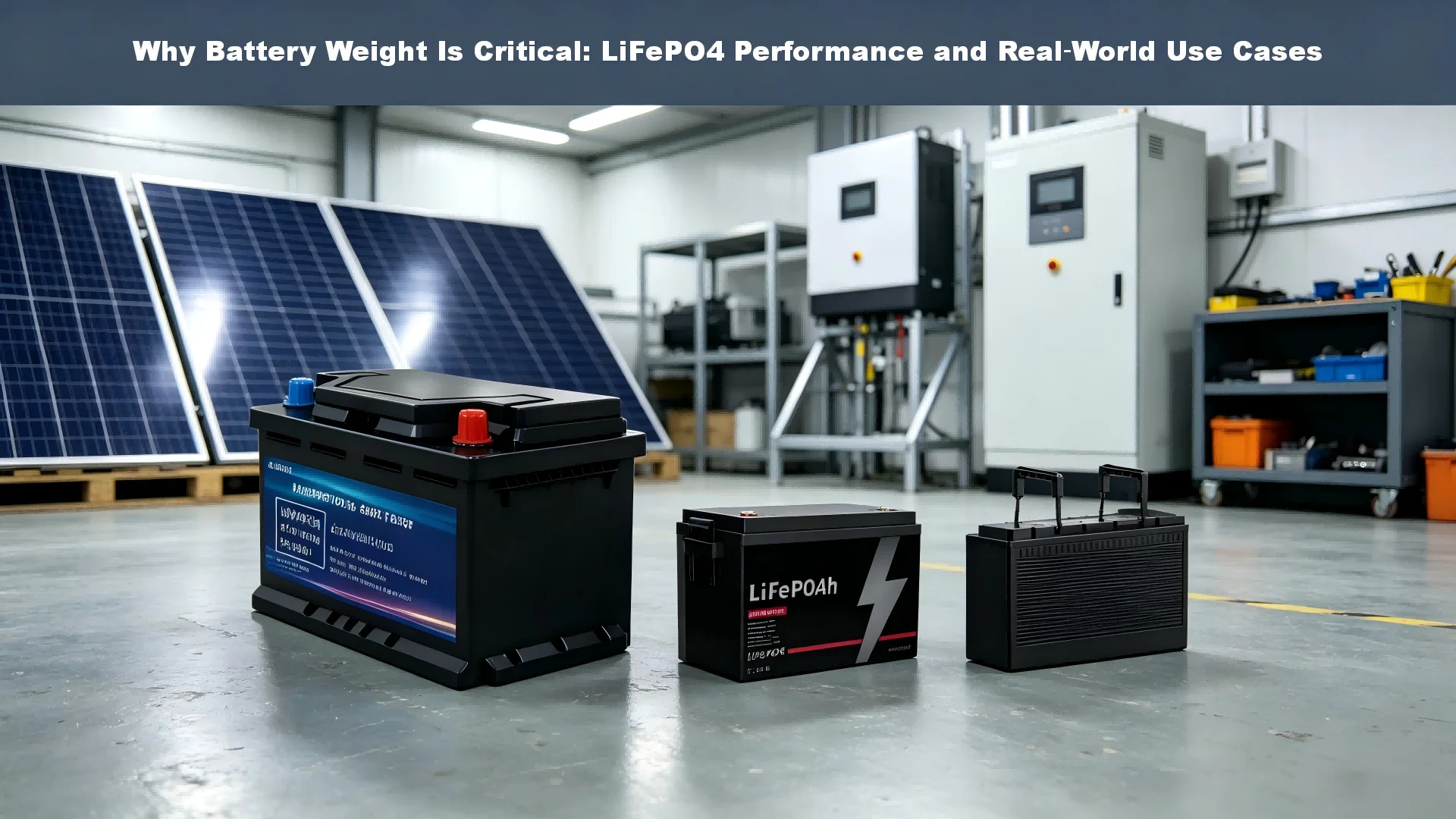
Battery weight is far more than a physical specification; it shapes efficiency, installation difficulty and long‑term reliability for EVs, off‑grid solar storage and portable power systems. LiFePO4 stands out among modern storage chemistries, balancing competitive weight savings, outstanding thermal stability and long cycle life for diverse commercial and residential deployments.
LiFePO4 (Lithium Iron Phosphate) belongs to the lithium‑ion family, widely adopted for energy‑critical projects thanks to its inherently stable cathode chemistry. Unlike cobalt‑rich lithium‑ion variants, LFP resists thermal runaway even under abusive operating conditions, drastically lowering fire and explosion risks.
Beyond safety advantages, LiFePO4 delivers exceptional cycle durability. Properly maintained units can complete 3000‑6000 charge‑discharge cycles before capacity noticeably drops, greatly cutting replacement frequency and total ownership costs. It also outperforms lead‑acid on energy density, storing more power within smaller physical dimensions. While its gravimetric density cannot match NMC lithium‑ion, LiFePO4 beats lead‑acid batteries by a wide margin, making it a practical middle ground for stationary and weight‑aware mobile applications.
Image alt text: 12.8V 100Ah LiFePO4 battery built for EV and off‑grid solar applications, shock‑resistant rugged casing
Weight directly influences every layer of your power system design. Heavier batteries demand more structural support, increase mechanical wear and consume extra energy during movement. The weight penalty becomes especially obvious in electric vehicles, RVs and mobile equipment: every extra kilogram requires additional energy to move, eating into driving range and lowering overall efficiency.
For electric vehicles, reduced battery mass brings tangible improvements. Lighter packs ease range anxiety, boost acceleration and refine handling characteristics. Compared against lead‑acid alternatives of equal capacity, LiFePO4 can cut battery weight by 60‑70 %, lightening the whole vehicle chassis without sacrificing usable energy output.
Weight considerations extend equally to stationary renewable energy storage. Home and commercial solar battery banks frequently install on rooftops or existing racking infrastructure. Bulky lead‑acid units often call for costly structural reinforcement. Thanks to its reduced mass, LiFePO4 simplifies retrofits; it fits into tighter mounting spaces and places less long‑term stress on building frameworks, ideal for dense urban sites where space is limited.
Handling and installation represent another practical benefit. Lighter LiFePO4 modules are easier to transport, lift and position during setup and maintenance work, lowering workplace injury risks for installers.
When shopping for LiFePO4 batteries, buyers will encounter two mainstream configurations: standard and Bluetooth‑equipped variants.
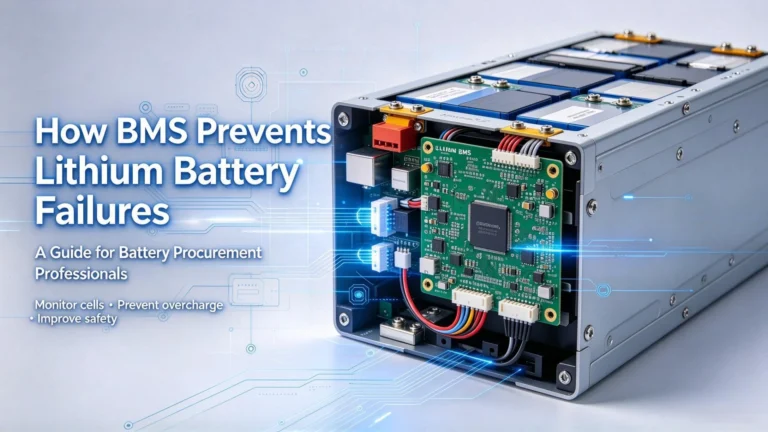
Standard LiFePO4 batteries include full BMS protection against over‑charge, over‑discharge and short‑circuit conditions, delivering reliable performance with no extra monitoring features. They serve as a solid budget pick for straightforward setups where users only need basic power delivery.
Bluetooth‑enabled LiFePO4 units tap into smart BMS functionality, streaming real‑time metrics to smartphone applications. Operators can review state‑of‑charge, individual cell voltages, internal temperature and accumulated cycle counts without external meters. Live data helps spot early‑stage cell imbalance or abnormal thermal behaviour, supporting predictive maintenance for remote solar installations, boats and RV systems. Bluetooth models carry a modest price premium, yet many system owners consider the diagnostic visibility well worth the added expense.
Image alt text: 12.8V 100Ah LiFePO4 home storage battery, optimized for residential solar backup power
| Parameter | LiFePO4 | Lead‑Acid | NMC Lithium‑Ion |
|---|---|---|---|
| Relative Weight | 60‑70 % lighter than lead‑acid | Heaviest | Lightest |
| Thermal Safety | Excellent, low thermal‑runaway risk | Moderate (hydrogen gas hazard) | Moderate‑High |
| Typical Cycle Life | 3000‑6000 cycles | 500‑1200 cycles | 1500‑3000 cycles |
| Energy Density (Wh/kg) | 90‑160 | 30‑50 | 160‑250 |
| Maintenance | Zero maintenance | Regular upkeep required | Minimal maintenance |
Lead‑acid remains low‑cost upfront, yet excessive weight, short cycle life and high maintenance requirements limit long‑term value. NMC provides superior gravimetric energy density, which makes it preferred for premium long‑range passenger EVs, but it carries higher thermal risk and shorter service cycles compared to LiFePO4.
LiFePO4 hits the sweet spot for solar storage, low‑speed electric vehicles, RV and backup power. It is not perfect: it weighs more than NMC at identical energy capacity and shows weaker charging performance in freezing temperatures. Even so, its balanced safety, durability and weight profile make it the default selection for most stationary and semi‑mobile energy projects.
Battery weight should never be treated as an afterthought during system design. It impacts vehicle range, installation complexity, structural requirements and total operating expenses. LiFePO4 batteries deliver impressive weight reduction versus legacy lead‑acid technology, paired with market‑leading safety and cycle performance.
Decide between standard and Bluetooth‑smart LiFePO4 versions based on your monitoring needs. If you run unattended off‑grid systems or value real‑time diagnostic data, Bluetooth‑ready packs add meaningful operational insight. For simple, cost‑focused deployments, standard LiFePO4 offers dependable performance.
As energy‑storage adoption keeps expanding, understanding battery weight alongside safety, cycle life and energy density will help you select hardware aligned perfectly with your project goals.
A: No. NMC lithium‑ion achieves higher energy density and lighter weight for equal stored energy. LiFePO4’s weight advantage shines primarily when you compare it to lead‑acid batteries.
A: Bluetooth does not add protective safety functions. All core protection comes from the built‑in BMS. Bluetooth only gives you visibility to view voltage, temperature and fault alerts on your phone.
A: Yes. Reduced weight often removes the need for heavy‑duty structural modifications, cuts labour during handling and lowers overall installation investment for residential and commercial solar projects.