Let's Shape The Future Of Your Investments!
Natoque iaculis cursus augue urna commodo aptent morbi tortor porttitor quis ornare.
![Lithium-ion Battery Manufacturer | BAKTH Battery [Official]](https://bakth-battery.com/wp-content/uploads/2026/05/hideLogo.png)
![Lithium-ion Battery Manufacturer | BAKTH Battery [Official]](https://bakth-battery.com/wp-content/uploads/2026/05/logo.png)
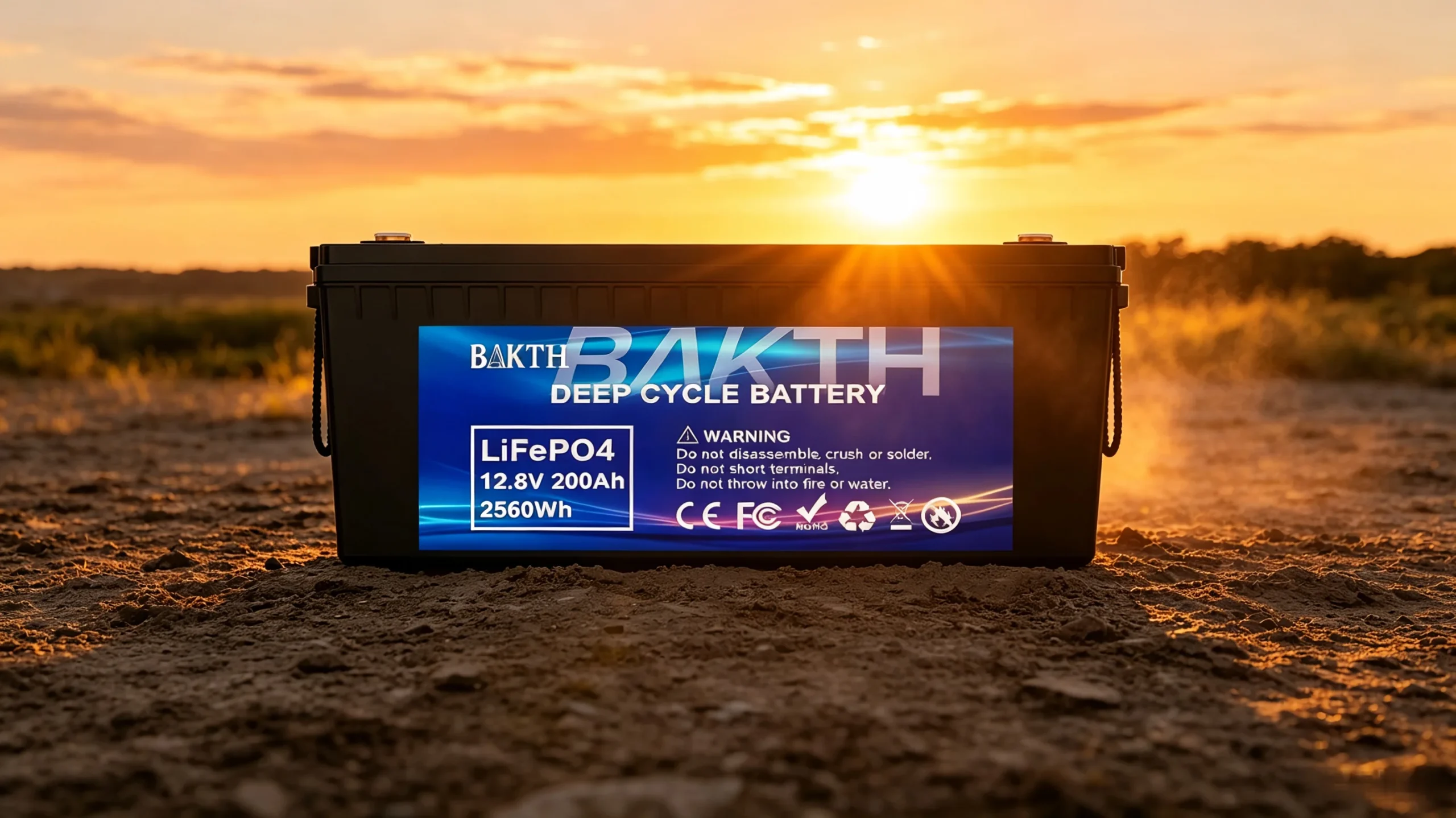
Lithium-ion battery packs power nearly every portable industrial and consumer device: electric scooters, e-bikes, construction power tools, agricultural machinery, drones, walkie-talkies and laptops. While lithium cells deliver unmatched energy density and cycle performance, their chemically active electrolyte and electrode materials become highly unstable under prolonged summer heat and direct sunlight.
Each year, industrial workshops, construction yards, farm storage sheds and rental e-mobility fleets report surging lithium battery fire incidents during hot summer months. Most of these hazards stem from unmanaged high-temperature exposure and careless charging routines. This BAKTH industrial guide breaks down how summer heat damages lithium battery packs, highlights high-risk workplace scenarios, and delivers actionable, EU-compliant safety practices for charging and storage to mitigate fire risks all summer long.
Prolonged exposure to heat above 30°C triggers a chain of destructive internal chemical reactions inside sealed lithium cells, with four severe consequences for both single cells and multi-series battery packs:
Heat exponentially speeds up parasitic side reactions between electrodes, electrolyte and the protective SEI film coating anodes. For every 10°C temperature rise above the optimal 20–25°C operating window, lithium battery aging rate doubles. Summer heat locks away usable lithium ions, leading to rapid, non-reversible capacity fade that shortens pack cycle life by 40% or more within a single hot season.
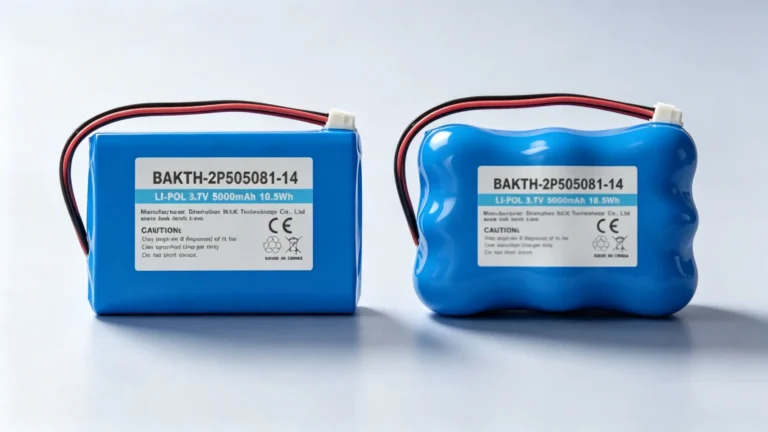
Elevated temperatures break down organic electrolyte solvents, releasing large volumes of flammable hydrogen and hydrocarbon gas inside hermetically sealed cells. Trapped gas builds extreme internal pressure, deforming pouch and prismatic battery casings into bulged units. Swollen cells cannot safely dissipate heat, creating a critical pre-cursor to rupture and fire.
If heat stress continues after swelling occurs, the cell enters thermal runaway: a self-feeding exothermic reaction where internal temperatures spike above 130°C. The reaction releases flammable gas, toxic fumes and intense heat that propagates to adjacent cells in multi-pack storage, triggering large-scale workshop fires that are difficult to extinguish with standard fire suppression equipment.
Certain work environments and equipment categories face drastically higher summer fire risks due to continuous outdoor sun exposure and poor charging oversight:
All these scenarios combine pre-damaged heat-stressed cells with unattended charging — the top two contributing factors to lithium battery fire outbreaks recorded across EU industrial sites every summer.
Never charge battery packs under direct sunlight, inside parked vehicles, or within enclosed metal toolboxes and unventilated garden sheds. Select a dedicated indoor workshop area with consistent ambient temperatures below 30°C, natural cross ventilation and no heat-generating machinery nearby. Cool ambient conditions slow electrolyte decomposition and eliminate the risk of compounded thermal stress during charging cycles.
Generic low-cost uncertified chargers lack precise voltage and current regulation. When paired with heat-damaged summer batteries, unstable power input triggers overcharging and rapid heat buildup inside cells. All BAKTH lithium battery packs are tested for compatibility with UL/IEC certified industrial chargers calibrated to LFP or NMC cell thresholds, preventing overvoltage damage during hot weather operation.
Batteries operated outdoors all day absorb significant latent heat, creating invisible internal structural damage that only surfaces during charging. Never leave warm battery packs connected to chargers overnight with no staff monitoring. For industrial sites requiring after-hours charging, install smart fireproof charging lockers hardwired to the site’s central fire alarm panel; these systems send instant temperature spike alerts to facility managers after hours.
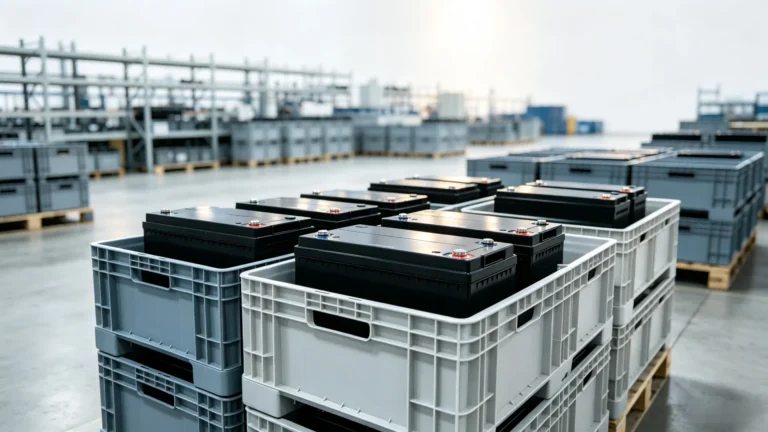
Replace open shelving and plastic storage bins with dedicated industrial fireproof charging and storage cabinets. Premium compliant units integrate built-in thermistor temperature sensors and mechanical exhaust ventilation systems that maintain internal cabinet temperatures below 30°C year-round. Fire-resistant cabinet walls block heat propagation if a single cell enters thermal runaway, containing flames and toxic fumes to protect personnel and facility assets.
Summer high temperatures and direct sunlight create compounded thermal stress that damages lithium-ion battery packs, accelerates swelling, and drastically increases thermal runaway fire risks — especially for industrial fleets operating outdoors in construction, agriculture and electric mobility sectors.
Workplace fire hazards from summer battery overheating are fully preventable through four core controls: shaded cool charging zones, certified matched charging hardware, supervised charging cycles, and ventilated fireproof battery storage lockers. These measures simultaneously reduce workplace fire liability and extend the usable cycle life of your bulk lithium battery inventory.
For industrial clients sourcing custom lithium battery packs with reinforced high-temperature BMS thermal protection, BAKTH’s engineering team provides tailored thermal management designs and full EU CE/IEC safety compliance documentation for hot-climate operation.
A: Sustained exposure above 35°C creates measurable irreversible capacity loss within one month; temperatures exceeding 60°C (common inside parked cars and unshaded metal sheds) cause rapid gas generation, swelling and elevated thermal runaway risk.
A: Allow the battery pack to cool fully to room temperature indoors before initiating charging. Charging pre-heated cells traps latent internal heat and drastically raises fire risk.
A: Yes. Heat-stressed cells with invisible internal micro-defects can enter thermal runaway hours after charging starts, making unsupervised overnight charging the leading cause of industrial lithium battery summer fires. Fire alarm-linked charging lockers are the only compliant after-hours charging solution for commercial sites.
A: LiFePO4 packs feature far higher thermal runaway trigger temperatures, lower flammable electrolyte reactivity and reduced swelling risk under high heat, making them the preferred industrial battery for hot-climate outdoor equipment per EU workplace safety standards.
A: Visible casing bulging, unusual warm surface temperature during light idle use, sweet metallic chemical odors, and sudden runtime capacity drops of 30% or more. Any unit showing these signs must be isolated in a fireproof container and sent to certified hazardous waste recycling immediately.