Let's Shape The Future Of Your Investments!
Natoque iaculis cursus augue urna commodo aptent morbi tortor porttitor quis ornare.
![Lithium-ion Battery Manufacturer | BAKTH Battery [Official]](https://bakth-battery.com/wp-content/uploads/2026/05/hideLogo.png)
![Lithium-ion Battery Manufacturer | BAKTH Battery [Official]](https://bakth-battery.com/wp-content/uploads/2026/05/logo.png)
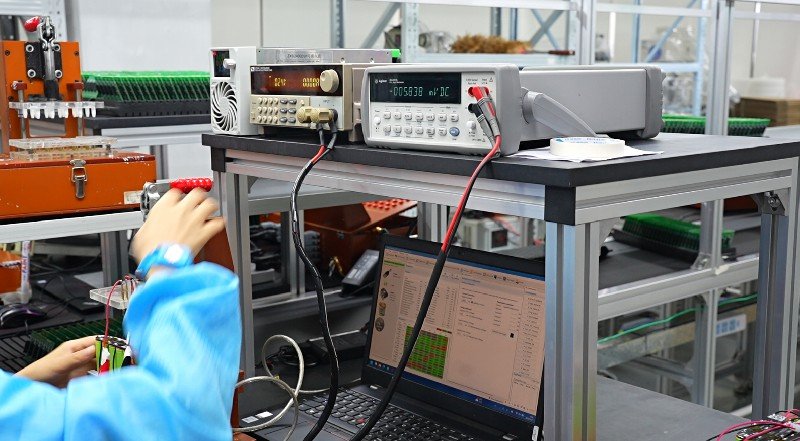
Overcharging ranks among the most abusive conditions for modern lithium‑based batteries. Even short exposure beyond safe voltage limits triggers hidden chemical harm, cuts cycle life, and creates fire risks. This article unpacks real‑world failure modes, internal electrochemical changes, protective hardware, and practical charging habits for consumer and industrial battery systems.
Every lithium‑ion and LiFePO4 cell carries a strict maximum charging voltage rating. Overcharging occurs when charging current keeps flowing after the cell hits that upper voltage threshold. Bare lithium cells possess no self‑limiting ability to halt incoming power. Without proper electronic safeguards, excess voltage disturbs stable electrochemical balance, causing invisible internal damage even when the outer casing appears normal.
Under excessive voltage, cathode crystal lattices (NCM, LCO, LMO) turn unstable and release oxygen. Released oxygen reacts aggressively with organic electrolyte, generating extra heat and combustible gas. Repeated overcharging strips lithium from cathode structures, collapsing the crystal framework and permanently lowering energy storage potential.
When charging exceeds safe limits, graphite anodes cannot fully absorb incoming lithium ions. Excess lithium deposits as metallic lithium plating and dendrites across anode surfaces. High heat cracks the thin protective SEI layer; the layer regrows unevenly and thickens, which increases internal resistance and accelerates calendar aging. Electrolyte breakdown also produces hydrogen gas, worsening swelling pressure inside the cell.
Three long‑term damage pathways:
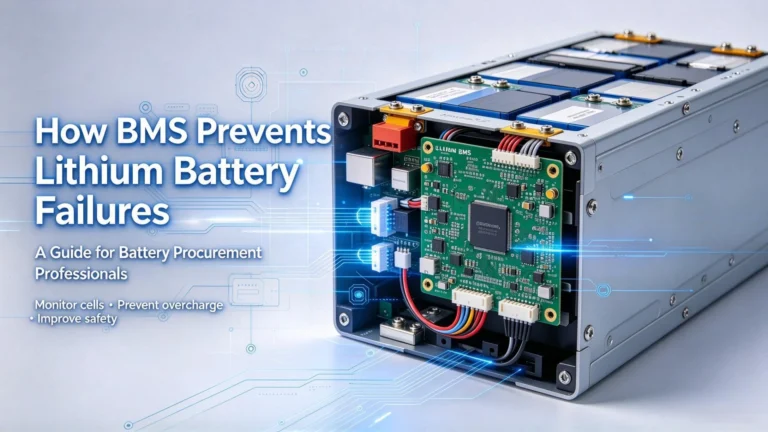
A quality Battery Management System acts as the battery’s core safety brain, and is non‑negotiable for multi‑cell packs. Core overcharge‑protection functions include:
Important note: Reliable chargers complement but cannot fully replace BMS protection, since charger faults may still occur.
Hardware‑built‑in safety layers add secondary defence against abuse:
Repair possibilities are very limited:
Critical reminder: Untrained personnel must never disassemble lithium‑ion packs, as internal shorts can ignite during handling. Unlike lead‑acid batteries, lithium chemistries have no valid “equalization overcharge” maintenance procedure.
Overcharging inflicts mostly permanent chemical harm on lithium‑ion and LiFePO4 cells, shortening cycle life while introducing serious thermal‑safety risks. The combination of robust BMS hardware, certified charging equipment, and disciplined charging practices significantly lowers failure odds and extends usable service life for consumer, commercial and industrial lithium battery systems.
A: For regular daily operation, keep state‑of‑charge between 20% and 80%. Limit 100% full‑charge cycles to scenarios that demand maximum runtime, to reduce high‑voltage chemical stress.
A: Yes. Sustained high voltage speeds SEI‑layer thickening and electrolyte decomposition, accelerating calendar‑time capacity fade. Recommended storage SOC sits between 40%‑60%.
A: No. While LiFePO4 cathodes feature improved thermal stability versus NCM/LCO, over‑voltage charging still causes lithium plating, gas generation and safety hazards. Full BMS protection remains mandatory.
A: Not categorically catastrophic with working protection circuits, yet extended time spent near maximum voltage accelerates gradual aging. Unattended overnight charging is best avoided as a standard habit.
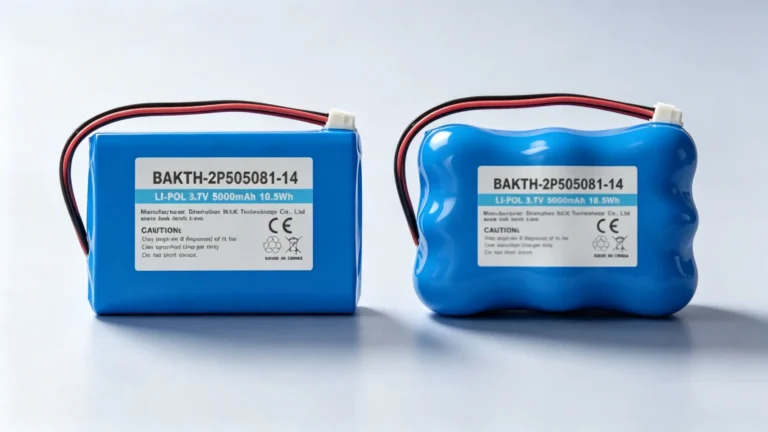
A: No. Swelling signals irreversible internal decomposition. The battery must be safely recycled; attempting repairs creates major fire risks.