2026 Complete Guide to Lithium‑Ion Battery Shipping Regulations: Air, Sea & Road

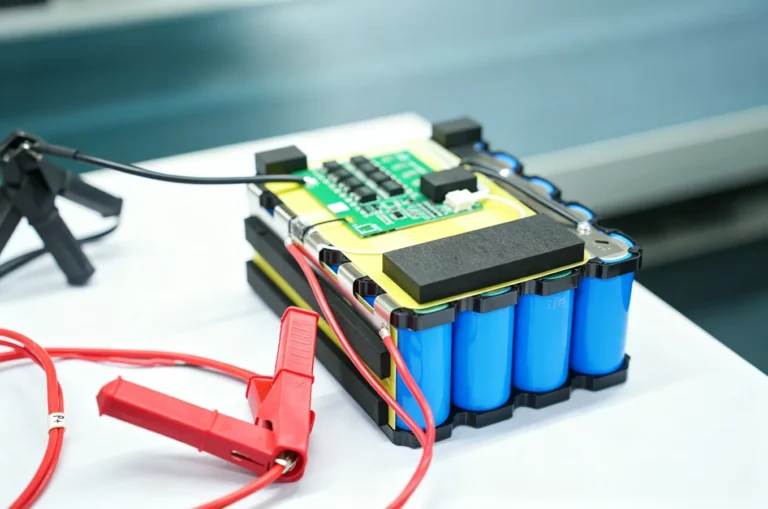
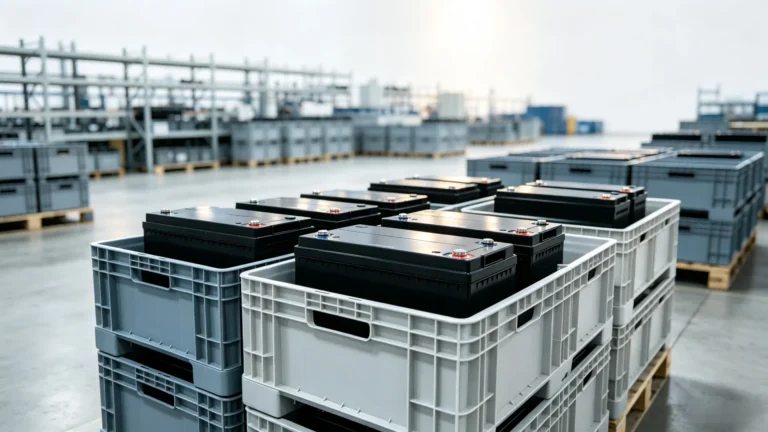
Logistics photo of Class‑9 labelled lithium‑ion battery shipping carton, illustrating 2026 IATA DGR 67th, IMDG 41‑24 and US PHMSA transport compliance regulations

Lithium‑ion batteries power consumer gadgets, industrial equipment and energy‑storage hardware, yet high energy density creates significant transit hazards. Classified as Class 9 Miscellaneous Dangerous Goods, they demand strict regulatory adherence. 2026 brings major updates across air, ocean and road transport; non‑compliance triggers cargo holds, fines and fire risks. This guide covers updated standards, documentation and field‑tested shipping best practices.


1. Hazard Classification & Inherent Transit Risks

Lithium‑ion cells fall under Class 9 Miscellaneous Dangerous Goods in UN‑aligned global dangerous‑goods frameworks. Physical shock, vibration, short‑circuit events or thermal swings during transit can initiate thermal runaway.

Core risks during shipment:

  • Internal short‑circuit triggered by conductive debris or damaged terminal insulation
  • Thermal runaway from compression, crush or puncture of cell housings
  • Accelerated chemical degradation under extreme temperature fluctuations
  • Cascading fire risk when multiple battery packs are stowed together

All commercial shipments must satisfy unified testing, packaging, marking and documentation enforced by IATA, IMO‑IMDG and national transport authorities.

2. Global Mandatory Regulatory Standards (2026 Updates)

UN 38.3 Global Baseline

UN 38.3 (UN Manual of Tests and Criteria Part III subsection 38.3) remains the universal pre‑shipping safety requirement for lithium‑ion and lithium‑metal cells and batteries, regardless of transport mode. Every cell or battery type must complete eight mandatory simulation tests before commercial shipment:

  1. Altitude Simulation (low‑pressure high‑altitude environment)
  2. Thermal Cycling (repeated hot‑cold temperature swings)
  3. Vibration Test (multi‑axis transit vibration simulation)
  4. Mechanical Shock Test (loading‑unloading impact forces)
  5. External Short‑Circuit Test
  6. Crush / Impact Mechanical Abuse Test
  7. Overcharge Tolerance Test
  8. Forced Discharge Test

UN 38.3 Test Summaries 2026 Practical Implementation
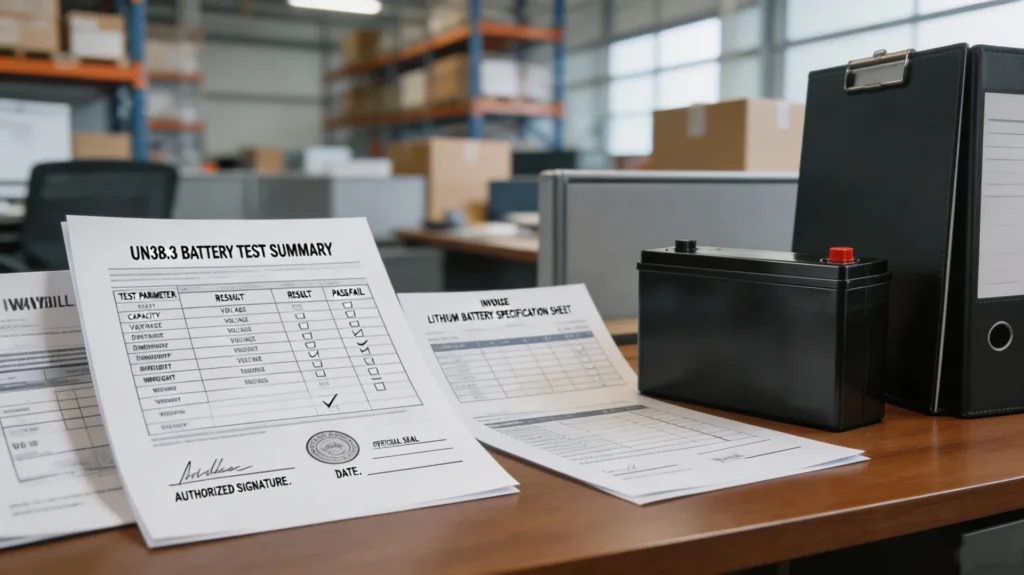
Since Jan 2022 manufacturers and shippers must retain valid UN 38.3 test summaries for inspector access. A growing 2026 industry practice is embedding QR‑codes on outer packaging linking to digital test‑summary copies, enabling instant verification by customs, carriers and auditors and reducing inspection‑related cargo detention. Valid summaries must include manufacturer full details, accredited‑lab information, test‑report ID, battery full specifications, pass‑fail outcomes for all eight tests, manual edition reference and authorized‑signatory validation.

Key Updated Regulatory Bodies & Publications 2026

  • IATA DGR 67th Edition (2026): Air‑transport governing manual; major SOC‑rule expansion for batteries packed‑with‑equipment; new sodium‑ion battery classification entries.
  • IMDG Code Amendment 41‑24 (effective May 1 2026): International maritime dangerous‑goods code with revised labelling, SOC‑declaration and thermal‑barrier requirements for seaborne lithium‑ion shipments.
  • US DOT / PHMSA Final Rule: New puncture‑resistance packaging standard for US domestic highway transport, enforcement starting September 2026.
  • UN GHS: Globally‑harmonized classification and labelling foundation adopted by most countries.

3. Mode‑Specific Shipping Compliance 2026

Air Freight — IATA DGR 67th Edition Major Changes

  1. Standalone loose lithium‑ion batteries (UN3480) remain prohibited within passenger‑aircraft cargo holds; only permitted aboard dedicated cargo aircraft; packages under PI965 IA/IB require explicit Cargo Aircraft Only label alongside Class 9 hazard mark.
  2. Critical 2026 SOC update: The ≤30 % state‑of‑charge limit is now mandatory for standalone batteries AND batteries packed‑with‑equipment (PI 966). Previously installed‑in‑equipment batteries (PI 967) are exempt from this mandatory SOC cap. Shipments above 30 % SOC need dual written governmental approval: state‑of‑origin plus operator‑state authorities (Special Provision A331).
  3. Batteries pre‑installed inside finished devices can travel on passenger flights subject to published quantity limits.
  4. Every individual cell must receive full terminal insulation; robust secondary outer packaging is compulsory to eliminate short‑circuit risk.

Ocean Freight — IMDG Code Amendment 41‑24 (May 1 2026 Mandatory)

  1. Outer packaging for UN3480 shipments must apply updated Class 9 diamond hazard mark plus distinct lithium‑battery handling marking; multi‑modal air‑sea declarations must explicitly report battery SOC as a dedicated data field.
  2. Large‑format battery and energy‑storage‑system consignments require thermal‑runaway barrier packaging complying with UL 9540A performance criteria to mitigate cascading‑fire hazard at sea.
  3. Lithium‑ion cargo requires designated ventilated container stowage and physical segregation from incompatible flammable dangerous goods.
  4. Complete dangerous‑goods declaration with UN‑number, chemistries, watt‑hour ratings and total quantities is mandatory; incomplete paperwork results in port detention, rejection and financial penalties.
  5. Utility‑scale container‑integrated BESS classified UN3536 now has revised stowage‑category D restrictions, limiting carriage to on‑deck positions and prohibiting passenger‑vessel transport for large consignments.

US Domestic Road Freight (PHMSA / 49 CFR, enforcement September 2026)

  1. New requirement: lithium‑ion battery shipments (standalone or inside equipment) must use UN‑spec packaging passing updated puncture‑resistance testing standard, responding to rising road‑fire statistics linked to packaging failure.
  2. Mandatory Class 9 outer hazard placards on transport vehicles plus complete dangerous‑goods shipping documentation (bill‑of‑lading with shipper hazard‑certification statements).
  3. Strict segregation rules: separate lithium‑ion consignments away from combustible freight.
  4. Updated trade‑of‑goods (MOT) quantity exemptions apply for field‑service fleets carrying equipment‑mounted lithium batteries, with safety constraints against short‑circuit and unintended activation.

Air‑Freight Cost Drivers in 2026

Hazardous‑goods handling surcharges remain a major cost component. Additional cost pressures stem from heavier high‑Wh battery weight, peak‑season capacity constraints and updated compliance inspection workflows. Cost‑reduction tactics: consolidate full bulk consignments, partner with freight‑forwarders specialising in Class 9 battery logistics, avoid holiday‑season booking crunches.

4. UN Classification Codes, Packaging & Labelling Mandates

Four Core UN Hazard Numbers for Lithium‑Battery Shipments

  • UN3480: Standalone loose rechargeable lithium‑ion batteries
  • UN3481: Lithium‑ion batteries packed‑with or built‑into finished equipment
  • UN3090: Standalone primary lithium‑metal batteries
  • UN3091: Lithium‑metal batteries packed‑with or built‑into equipment

Mandatory Packaging Specifications

  1. Non‑conductive inner sleeves or bags for individual‑cell terminal insulation to stop accidental short‑circuit.
  2. Shock‑absorbent cushion fill eliminating internal battery shifting during transit vibration and impacts.
  3. Large‑format / EV battery modules require rigid mechanically‑secured mounting.
  4. Outer cartons must pass formal drop‑test certification; for US highway shipments commencing Sep 2026, satisfy puncture‑resistance performance criteria.

Outer‑Box Labelling Requirements

All shipping containers need durable, weather‑resistant printing and markings:

  • Official updated Class 9 dangerous‑goods diamond hazard symbol
  • Corresponding UN identification number
  • Clear “Lithium Batteries” handling identification mark
  • Full shipper and consignee name, street‑level address
  • 24‑hour emergency‑response hot‑line (CHEMTREC for North‑American‑bound cargo)
  • For multi‑modal shipments: explicit SOC‑range disclosure as required by IMDG 41‑24.

5. DDR (Defective, Damaged & Recalled) Battery Strict Restrictions

Swollen, dented, defective or recalled lithium‑ion batteries carry extreme thermal‑runaway probability. Global 2026 rules confirm DDR batteries are universally forbidden aboard all aircraft. Ocean and ground transport demand purpose‑built fire‑resistant packaging plus formal advance regulatory authority approval. Most mainstream commercial freight carriers decline DDR consignments entirely; specialised hazardous‑waste handlers are required for most recall‑return workflows.

6. Hazardous‑Goods Cargo Insurance 2026 Considerations

Standard general‑cargo insurance policies exclude lithium‑battery‑originated fire and thermal‑runaway losses. Container‑fire incidents linked to poorly‑packed lithium consignments continue to rise across global shipping lanes. Shippers must purchase dedicated Class‑9 dangerous‑goods cargo insurance covering cargo loss, third‑party property damage and liability claims stemming from battery‑related transit events.

7. Conclusion

2026 delivers sweeping regulatory revisions for lithium‑ion battery transport: expanded IATA SOC mandates, IMDG thermal‑barrier and labelling updates, plus new US domestic puncture‑resistant packaging rules effective September. Non‑compliance creates shipment seizure, steep administrative fines and catastrophic safety risk. Robust compliance means valid UN 38.3 test summaries (digital QR‑code copies recommended), mode‑correct packaging, accurate marking and complete dangerous‑goods documentation. Working with logistics providers specialising in Class 9 battery dangerous goods mitigates compliance risk across cross‑border supply‑chain operations.

8. Frequently Asked Questions

Q1: What core certification do I need for lithium‑ion battery international shipping in 2026?

A: Every battery type must complete full UN 38.3 eight‑part safety testing, and carry retrievable valid UN 38.3 test summaries for carrier and customs inspection. Many shippers adopt QR‑code‑linked digital summaries to speed‑up audits.

Q2: What is the 2026 IATA SOC rule difference from prior years?

A: Starting Jan 1 2026 the ≤30 % SOC rule applies not just for standalone UN3480 batteries but also batteries packed‑with‑equipment (PI 966). Batteries already installed inside devices (PI 967) remain exempt from this air‑freight SOC mandate.

Q3: What new ocean‑shipping rules take effect May 1 2026 under IMDG 41‑24?

A: Mandatory updated Class 9 hazard marks, SOC‑value explicit declaration on multi‑modal documentation, and UL 9540A‑compliant thermal‑runaway barrier packaging for large‑format lithium‑ion battery consignments.

Q4: Can damaged / swollen lithium batteries travel by air in 2026?

A: No. DDR defective‑damaged‑recalled lithium‑ion batteries are strictly prohibited from all aircraft. Sea and ground transport need special authority and fire‑proof packaging; most regular carriers refuse these shipments.

Q5: What changes for US domestic trucking September 2026?

A: PHMSA final rule enforces new puncture‑resistance UN‑spec packaging requirements for lithium‑ion batteries shipped by US highway, for both standalone units and batteries housed within finished equipment.


Let's start customizing your ideal batteries right away.

Please fill in your contact information in the form, and we will get in touch with you within 24 hours.

Contact Us