



Introduction
Have you ever fully charged a lithium battery pack, stored it away for months, and discovered it drained unexpectedly? All rechargeable batteries gradually lose power when sitting idle due to self-discharge. This natural electrochemical process cannot be eliminated entirely, yet improper storage triggers irreversible cell damage. This guide explains idle battery aging mechanisms, environmental risks, and actionable storage rules ideal for equipment operators, project engineers and bulk battery purchasers.
1. What Happens Inside Batteries During Long Periods of Inactivity?
Many buyers mistakenly believe batteries remain stable once disconnected from loads. Even with zero external power draw, constant microscopic chemical activity continues inside every cell.
When batteries sit unused for extended durations, stored energy slowly dissipates. If charge levels drop below the safe voltage threshold through continuous self-discharge, permanent capacity loss may occur. In severe cases, cells will fail entirely and cannot be reactivated.
| Storage Scenario | Outcome |
|---|---|
| Short-term idle storage (1–3 months) | Slow, reversible energy loss via self-discharge |
| Long-term idle storage (>6 months) | Risk of undervoltage damage and irreversible aging |
2. Self-Discharge: The Root Cause of Idle Battery Power Loss
Self-discharge describes spontaneous energy depletion inside batteries without connected electronic devices. It originates from unavoidable side reactions within cell materials, even when battery power switches are fully shut off.
Every rechargeable chemistry features self-discharge. The difference lies in discharge speed. Premium lithium-ion cells maintain far lower monthly self-discharge rates compared to nickel-based and traditional lead-acid alternatives.
3. How Self-Discharge Accelerates Permanent Battery Degradation
Self-discharge brings three irreversible threats to idle lithium battery packs:
1. Irreversible Capacity Fade
Continuous internal chemical reactions consume active lithium materials, permanently lowering the maximum usable capacity over storage cycles.
2. Critical Undervoltage Risk
Once self-discharge drags state of charge (SoC) below 20%, lithium-ion and LiFePO4 cells suffer structural harm to electrode materials.
3. Higher Operational Maintenance Costs
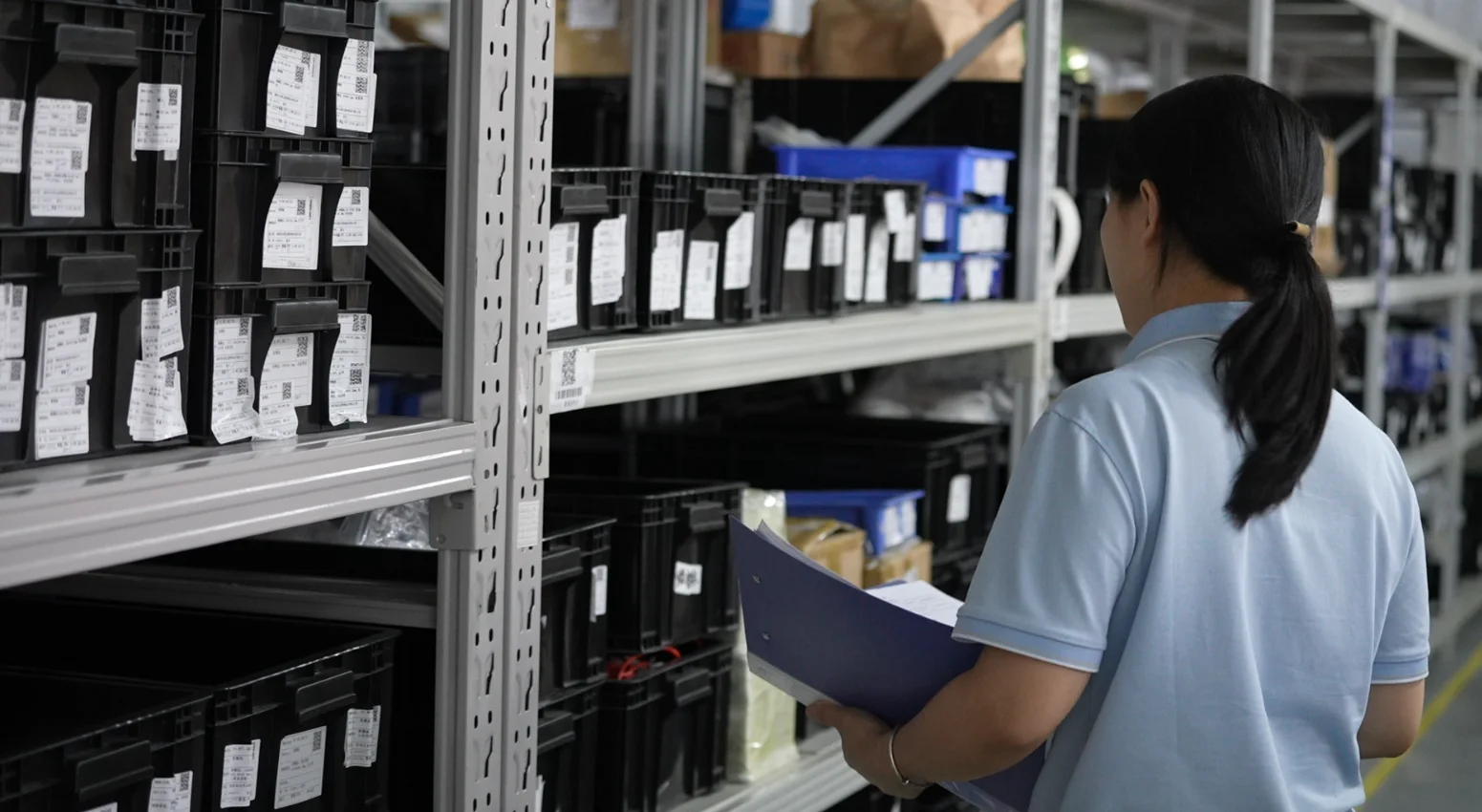
Stock batteries in warehouses require routine voltage inspections and supplementary charging to avoid deep discharge failure.
| Storage Operation | Standard Specification |
|---|---|
| Optimal storage SoC | 40% ~ 60% |
| Recommended environment | Cool, dry, shaded indoor area with stable temperature |
| Inspection frequency | Every 2–3 months |
| Key restriction | Never store batteries near full discharge |
4. Primary Factors That Speed Up Battery Aging in Storage
Three core drivers cause idle battery degradation:
1. Continuous Internal Side Chemical Reactions
Lithium ions interact with electrolyte constantly, thickening the SEI film layer and consuming recyclable lithium resources.
2. Gradual Electrolyte Decomposition
Prolonged storage breaks down electrolyte solvents and lithium salts, steadily raising internal resistance.
3. Calendar Aging
Capacity naturally diminishes over time, independent of charge-discharge cycling. High temperatures and extreme charge states drastically accelerate calendar aging.
External environmental conditions heavily control aging velocity:
- Temperature Extremes: Heat speeds up all internal reactions; freezing temperatures hinder lithium ion mobility and risk lithium plating.
- High Humidity: Moisture penetrates battery enclosures, corroding terminals, tabs and circuit boards, creating hidden short-circuit hazards.
- Poor Storage Locations: Direct sunlight, unventilated hot garages or uninsulated cold warehouses shorten idle battery service life significantly.
5. Industry Best Practices to Preserve Battery Health While Idle
Follow four standardized storage guidelines to slow aging:
- Adjust charge level to 40%–60% SoC before long-term storage. Avoid fully charged (100%) or empty (0%) storage conditions.
- Store batteries indoors in cool, dry spaces away from direct sunlight and heat sources.
- Conduct visual and voltage inspections every 2–3 months; recharge back to 50% if charge falls under 20%.
- Keep battery inventory protected from seasonal extreme hot and freezing temperatures.
| Storage Operation | Standard Specification |
|---|---|
| Optimal storage SoC | 40% ~ 60% |
| Recommended environment | Cool, dry, shaded indoor area with stable temperature |
| Inspection frequency | Every 2–3 months |
| Key restriction | Never store batteries near full discharge |
6. Self-Discharge Rates: Comparison Between Common Battery Chemistries
Different battery types show huge variance in monthly self-discharge performance:
- Lithium-ion: 2%–3% monthly
- NiCd: 15%–20% monthly
- NiMH: 25%–30% monthly
This explains why lithium solutions dominate warehouse inventory, off-grid equipment and backup power projects where long shelf stability matters. Proper temperature control and medium-charge storage can greatly suppress calendar aging and self-discharge.
7. Storage Maintenance Checklist for Lithium Battery Packs
- Pre-adjust battery SoC to 40%–60% before long storage.
- Choose dry, temperature-stable storage rooms without intense sunlight exposure.
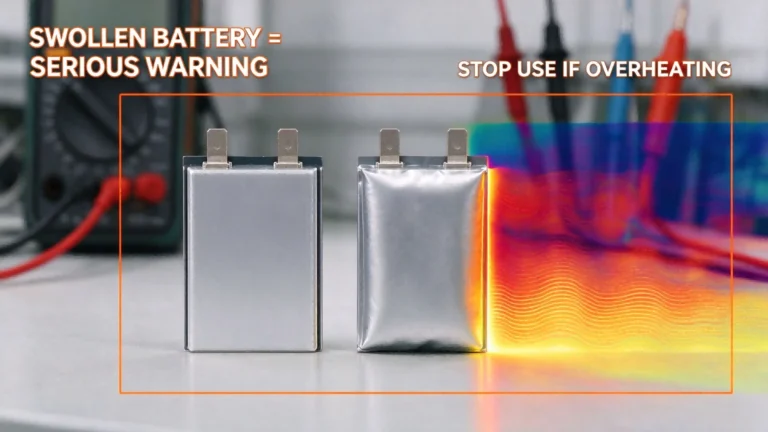
- Every 60–90 days, inspect packs for swelling, corrosion and voltage drop.
- Strictly avoid long-term deep discharge which triggers permanent cell failure.
8. Practical Advice for Battery Wholesalers & OEM Buyers
- Partner with reliable lithium battery manufacturers such as BAKTH, with strict cell screening and standardized pack assembly to guarantee low self-discharge consistency across bulk orders.
- Communicate storage climate, shelf-life expectations and working temperature range before confirming OEM customized battery projects.
- Complete sample testing under local ambient conditions to verify self-discharge performance before mass procurement.
High-quality lithium battery packs deliver superior storage stability and longer service life than outdated lead-acid and nickel battery solutions, lowering long-term product replacement expenses for distributors and equipment manufacturers.
9. Expert Insight From BAKTH Battery Engineering Team
“Understanding how storage temperature and state of charge interact directly determines lithium battery shelf performance. Standardized medium-charge, cool-dry storage protocols effectively slow calendar aging and mitigate self-discharge damage for all custom lithium battery packs.”
Frequently Asked Questions
A: Yes. Self-discharge and continuous internal calendar aging slowly deplete charge and degrade cells during months of storage.
A: Three primary triggers: extreme high/low ambient temperature, improper storage at full charge or deep discharge, and persistent internal chemical side reactions.
A: We recommend voltage testing and visual examination every two to three months.
A: Self-discharge refers to natural energy loss inside cells without connected loads, caused by unavoidable low-level internal chemical reactions.
A: Store batteries in cool, dry environments with charge maintained at 40%–60% SoC, and perform supplementary charging during extended idle periods.