Let's Shape The Future Of Your Investments!
Natoque iaculis cursus augue urna commodo aptent morbi tortor porttitor quis ornare.
![Lithium-ion Battery Manufacturer | BAKTH Battery [Official]](https://bakth-battery.com/wp-content/uploads/2026/05/hideLogo.png)
![Lithium-ion Battery Manufacturer | BAKTH Battery [Official]](https://bakth-battery.com/wp-content/uploads/2026/05/logo.png)
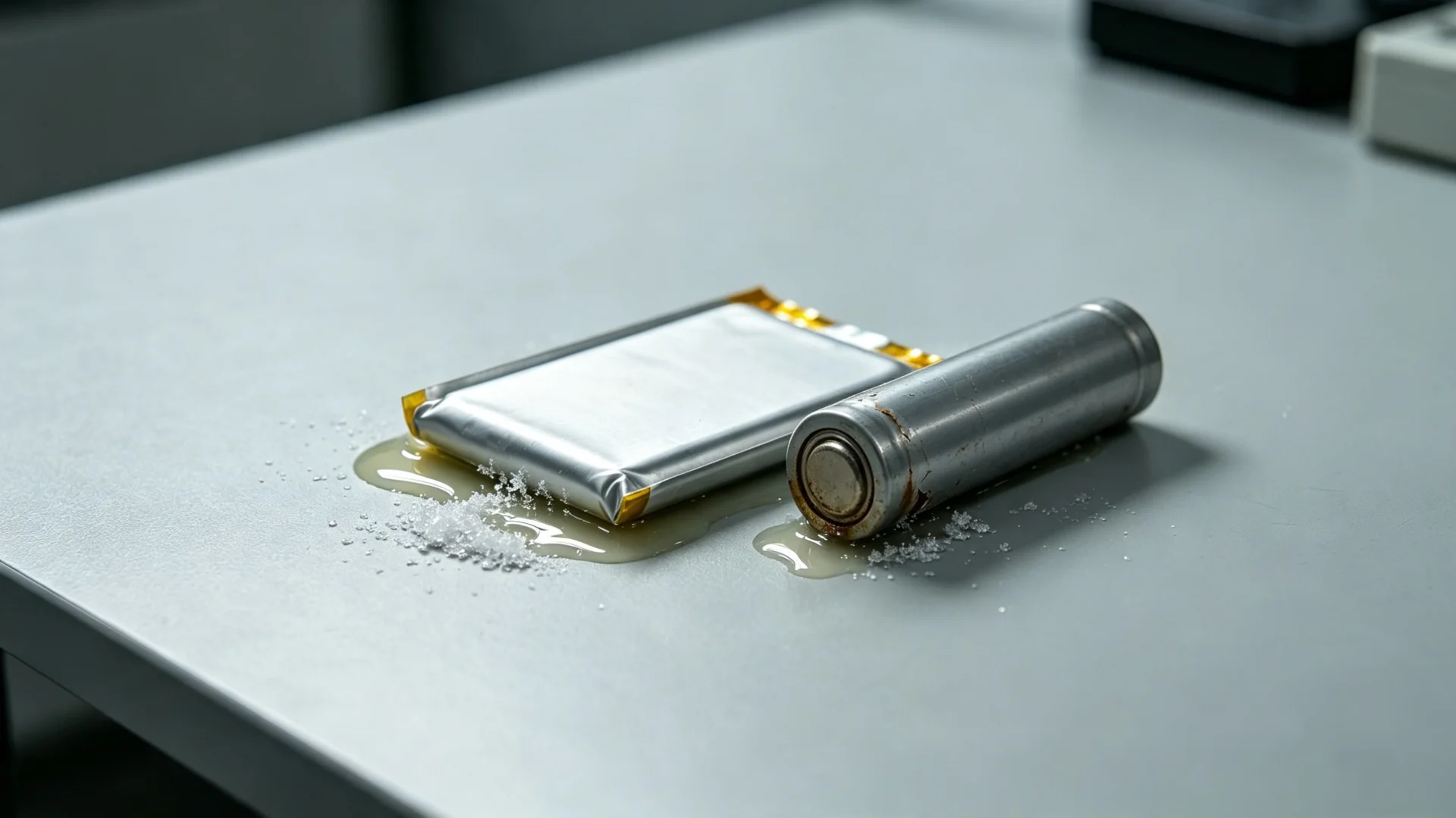
Lithium-ion cells are built with airtight sealing, but structural damage, poor usage habits or manufacturing flaws can trigger dangerous electrolyte leakage. Spilled corrosive fluid leads to chemical burns, equipment breakdown and thermal runaway fire risks.
This complete guide breaks down internal battery vulnerabilities, explains all leakage triggers, shares certified safety handling steps, and delivers long-term strategies to eliminate leak risks for consumer electronics, electric vehicles and industrial energy storage.
Every lithium pack relies on five interdependent core parts, each with structural weak points that create leak pathways once compromised:
Most leakage incidents stem from user behavior rather than factory defects:
Minor secondary triggers include mixing mismatched aged/new cells, rough disassembly and low-grade raw cell batches without purification treatment.
Budget, low-standard battery factories introduce latent leakage faults during production: unclean non-class 1000 cleanrooms leave metal particle contaminants; uneven electrode coating creates localized thermal hotspots; incomplete vacuum heat sealing leaves micro-gaps on pouch edges.
Industry reliability data shows rigorously tested premium lithium cells carry a leakage failure rate of roughly 1 in 10 million units, while defective mass-produced budget batches report leakage rates as high as 3–4%. Professional manufacturers implement full vacuum leak testing and extreme temperature cycle aging to eliminate these factory-originated risks before shipment.
Spot these red flags during routine battery inspections to respond before dangerous fluid spills occur:
Spilled lithium electrolyte creates multi-layer safety threats for people, equipment and the environment:
Follow this standardized industrial safety workflow for any leaking lithium cell or pack:
Emergency backup rule: If smoke or open flames appear, cover the battery with inert fire-retardant granular material, seal the metal bin lid and evacuate the workspace immediately.
Adopt these simple inspection and usage habits to cut leakage risk drastically:
Stable temperature and controlled humidity are the foundation of leak prevention:
Cheap budget batteries skip critical QA steps that block leakage risks: low-quality thin separators, incomplete heat sealing and unpurified electrolyte formulas all create persistent failure points. Reputable lithium manufacturers integrate three core anti-leak production standards:
BAKTH industrial lithium packs implement full cleanroom assembly, ultra-pure electrolyte additives and built-in multi-point thermal monitoring BMS to minimize internal decomposition and seal degradation for long-cycle commercial applications.
Final, non-negotiable answer: No. Once electrolyte escapes the sealed cell casing, irreversible internal short circuits, electrode erosion and active lithium loss occur deep within the battery. Wiping surface liquid only removes visible residue—hidden gas pockets and corroded internal materials remain, creating latent fire and explosion hazards for every subsequent charge cycle. Leaking lithium packs cannot be repaired, and they are classified as hazardous waste. Do not discard damaged cells in household trash or standard incinerators.
Industry safety statistics show over 660 lithium battery fire incidents, 12 fatalities and more than 260 recorded global injuries since 2019 directly trace back to damaged, leaking cells that users attempted to keep in operation.
Lithium battery leakage stems from a mix of unavoidable internal chemical reactions, preventable daily usage errors and substandard manufacturing construction. While premium sealed cells deliver years of leak-free service, poor charging habits, extreme temperature exposure and physical damage rapidly break down protective seals and release corrosive electrolyte.
Proactive visual inspections, temperature-controlled storage, matched certified charging equipment and investment in fully tested industrial lithium packs with intelligent BMS protection form a complete anti-leak safety system. If leakage does occur, follow certified PPE and containment protocols, and recycle compromised batteries through licensed hazardous waste facilities—never risk reusing a damaged leaking cell.
A: Seal the damaged cell inside a ventilated fireproof metal bin, then deliver it to your local authorized electronic or hazardous waste recycling center. Never throw leaking lithium batteries into domestic garbage, curbside recycling or incinerators.
A: Yes. Spilled corrosive electrolyte eats through wiring, circuit boards and metal structural components, causing permanent equipment failure plus hidden internal short-circuit risks. Monthly bulk battery bank inspections are mandatory for industrial storage systems.
A: Trusted manufacturers implement cleanroom assembly, triple-layer laser sealing, vacuum leak testing, stabilized anti-decomposition electrolyte additives and built-in overcharge/thermal protection via active BMS systems to eliminate nearly all leakage failure points.
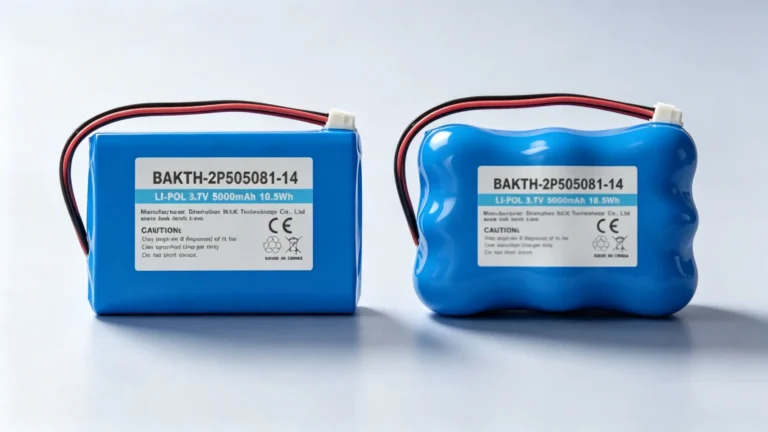
A: Minor swelling signals early electrolyte decomposition and seal stress. Any visible bulging requires immediate removal from service, as it precedes full fluid leakage and thermal runaway risks.
A: No. Water reacts violently with lithium electrolyte to create toxic fumes and extra heat. Use dry sand or baking soda to absorb and neutralize spills without adding liquid water.