Let's Shape The Future Of Your Investments!
Natoque iaculis cursus augue urna commodo aptent morbi tortor porttitor quis ornare.
![Lithium-ion Battery Manufacturer | BAKTH Battery [Official]](https://bakth-battery.com/wp-content/uploads/2026/05/hideLogo.png)
![Lithium-ion Battery Manufacturer | BAKTH Battery [Official]](https://bakth-battery.com/wp-content/uploads/2026/05/logo.png)
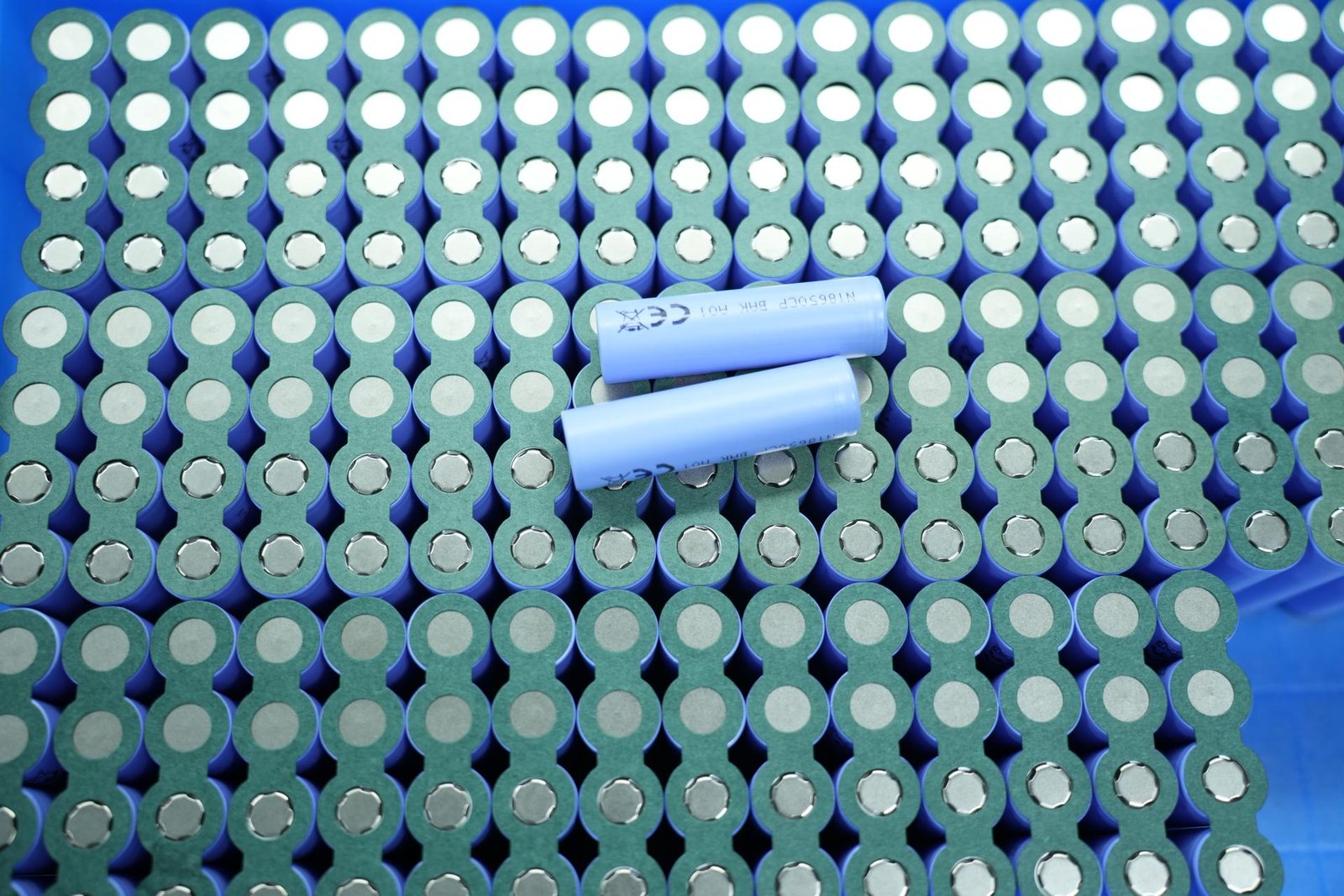
Lithium has become the primary building block for nearly all modern rechargeable batteries, powering everything from tiny wearable gadgets to heavy-duty industrial equipment. Its one-of-a-kind physical and chemical traits deliver unmatched power efficiency and portability. This article unpacks lithium’s natural advantages and compares the two most mainstream lithium battery variants: lithium-ion and lithium-polymer cells.
The global shift toward lithium-based power storage all boils down to two irreplaceable natural properties of lithium metal.
First, lithium ranks as the lightest solid metal known to science. Its minimal mass lets engineers pack substantial energy capacity into slim, compact battery cells, eliminating the bulky weight constraints of lead and nickel battery alternatives. This lightweight foundation is critical for portable electronics, electric transport and handheld devices where excess mass limits usability.
Second, lithium carries superior electrochemical potential. The element readily absorbs and releases ions during repeated charge and discharge cycles, supporting high energy output with minimal internal power loss. This characteristic is the root of lithium batteries’ industry-leading high energy density and stable voltage output across full discharge cycles.
While all lithium batteries leverage the element’s core chemical strengths, lithium-ion (Li-ion) and lithium-polymer (LiPo) cells differ drastically in internal construction, performance traits and suitable use cases. Each variant holds distinct competitive advantages tailored to specific industries and devices.
Lithium-ion cells remain the most widely deployed rechargeable battery technology worldwide, favored for consumer electronics, power tools, e-mobility and stationary industrial power. Their core perks include:
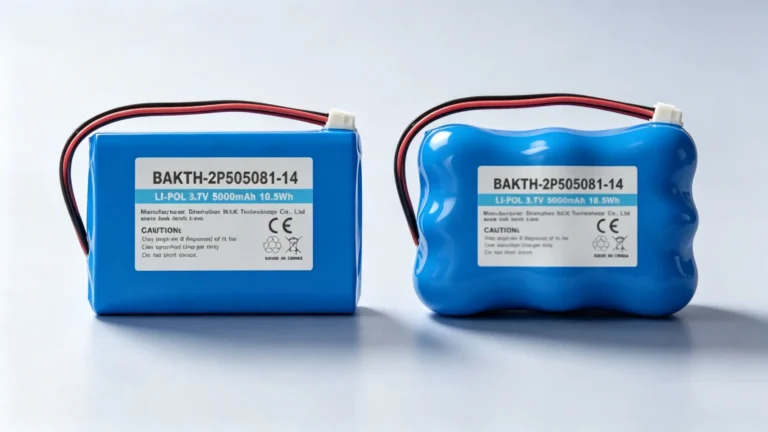
Lithium-polymer batteries replace traditional liquid electrolytes with thick colloidal polymer gel, unlocking unique physical and performance advantages that liquid Li-ion cells cannot match. They are widely adopted for wearables, ultra-thin smart devices and custom-shaped electronics. Their standout benefits are as follows:
Opt for lithium-ion batteries for general consumer electronics, power tools, electric vehicles, forklifts and standard industrial power systems. They balance long cycle life, stable performance and cost efficiency for mass-market applications.
Choose lithium-polymer batteries for wearable tech, ultra-thin gadgets, custom-shaped medical electronics and devices requiring high burst current. Their flexible packaging and slim build solve space constraints unique to compact, specialized hardware.
Lithium dominates the global battery sector for an unbeatable combination of lightweight mass and exceptional electrochemical reactivity. Both lithium-ion and lithium-polymer cell architectures capitalize on these natural advantages to outperform outdated lead, nickel and cadmium battery solutions in lifespan, portability, efficiency and sustainability. As portable electronics, clean energy storage and electric equipment keep evolving, lithium-based batteries will continue to act as the fundamental power backbone for all modern technology.
A: Lithium is the lightest metal on earth with excellent ionic activity and high electrochemical potential. It delivers higher energy density, lighter weight and longer cycle stability compared to lead, nickel and other traditional battery raw materials.
A: Lithium-ion cells use liquid electrolytes with rigid fixed shapes for universal use. Lithium-polymer cells adopt polymer gel electrolytes and flexible foil packaging, supporting fully customizable sizes, lower internal resistance and ultra-thin device builds.
A: Yes. Lithium cells do not contain highly toxic heavy metals like lead and mercury found in older batteries. When processed via formal recycling programs, they greatly reduce industrial waste and environmental contamination.
A: Neither lithium-ion nor lithium-polymer batteries experience memory effect. You can recharge them at any partial state of charge without permanent loss of total usable capacity.