Let's Shape The Future Of Your Investments!
Natoque iaculis cursus augue urna commodo aptent morbi tortor porttitor quis ornare.
![Lithium-ion Battery Manufacturer | BAKTH Battery [Official]](https://bakth-battery.com/wp-content/uploads/2026/05/hideLogo.png)
![Lithium-ion Battery Manufacturer | BAKTH Battery [Official]](https://bakth-battery.com/wp-content/uploads/2026/05/logo.png)
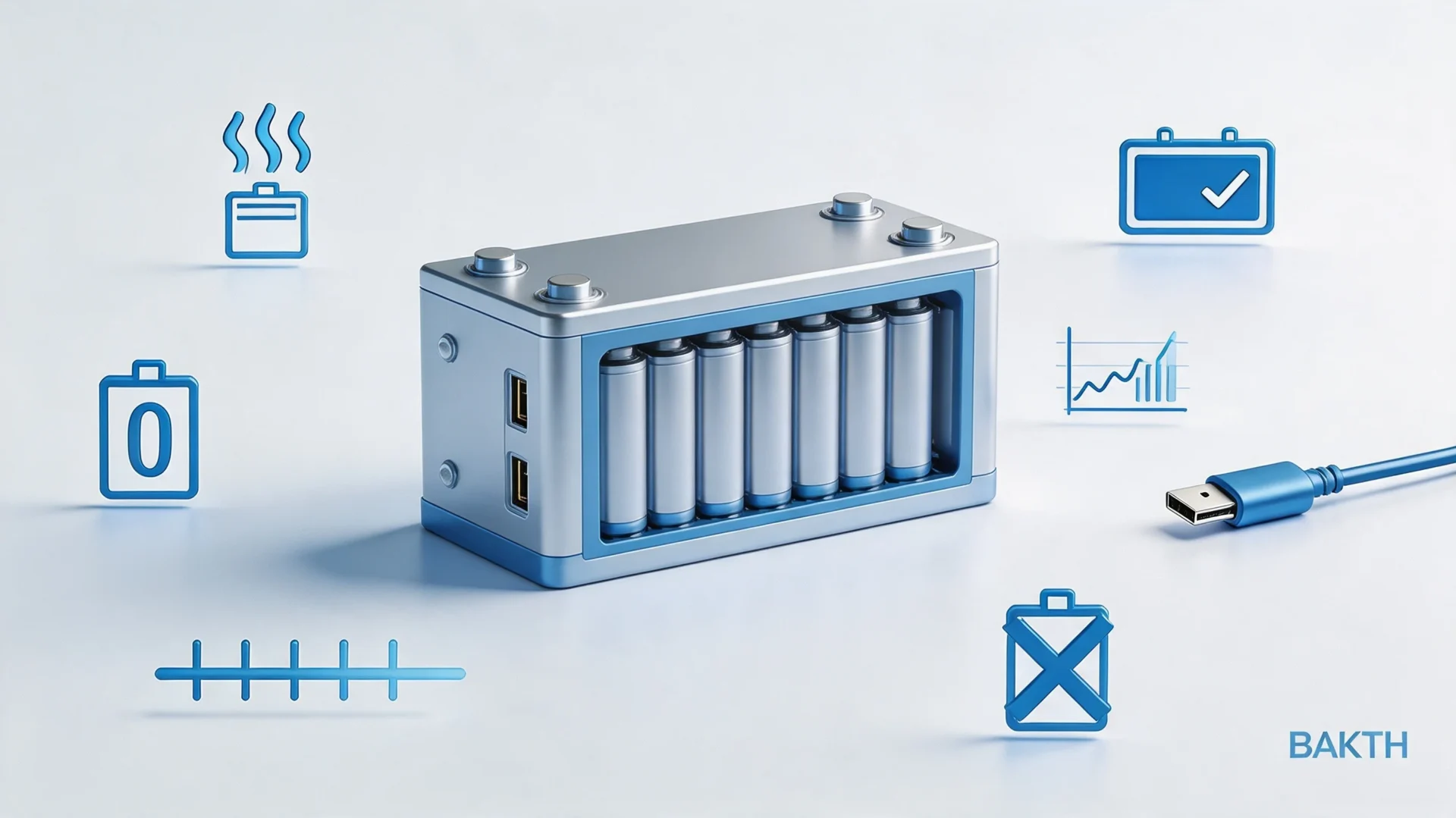
It’s frustrating to grab a nearly full lithium battery for your e-cycle, electric vehicle, off-grid solar storage or power tool, only to watch its charge vanish far faster than expected—even with a relatively new unit.
Millions of users search “why is my lithium battery draining so fast” every year, yet few realize most rapid power loss stems from avoidable daily habits and overlooked design flaws. This guide breaks down seven hidden culprits behind fast lithium battery drain and shares reliable, industry-approved solutions to restore consistent runtime.
Constantly draining lithium packs down to 0% creates severe long-term chemical stress that shows up as fast daily discharge. Lithium-ion cells operate within an optimal 20%–80% state-of-charge window; pushing voltage to extreme low limits damages anode materials and triggers irreversible ion loss over repeated cycles.
Many users habitually top their batteries all the way to maximum voltage overnight, unaware sustained high cell voltage degrades internal chemistry faster. Extended exposure to 100% charge thickens the protective SEI layer, consumes active lithium ions, and creates constant internal pressure that accelerates visible power drain.
Heat ranks as lithium battery chemistry’s worst enemy. Continuous operation or charging above 45°C ramps up unwanted parasitic chemical reactions inside cells, raising internal resistance and creating immediate, noticeable runtime loss. Common heat triggers include direct sunlight charging, enclosed unventilated storage compartments, poor thermal pack design and sustained high-load output.
Fast charging delivers convenient quick power top-ups, yet repeated daily high-current charging carries hidden long-term costs. Elevated charging current generates excess internal heat, increases the risk of harmful lithium dendrite plating on graphite anodes, and gradually raises internal resistance—two factors that make batteries drain far quicker under normal loads. Occasional emergency fast charging poses minimal risk, but routine use cuts pack lifespan significantly.
Even with light, careful usage, all lithium batteries undergo slow calendar aging as months and years pass—this passive chemical breakdown is often mistaken for abnormal fast drain. Standard lithium packs lose roughly 5–10% of original usable capacity within their first year, followed by an additional 1–3% annual capacity fade afterward. As total storable energy shrinks, users perceive drastically shorter runtimes and faster power depletion.
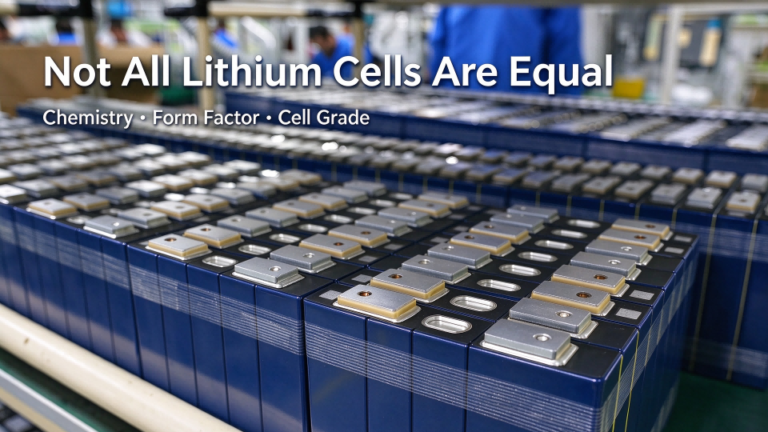
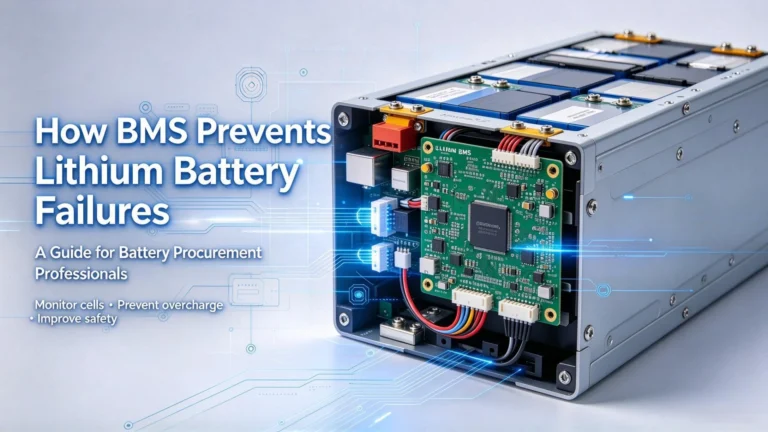
A frequently overlooked source of rapid discharge is shoddy battery construction from budget manufacturers. Cheap lithium packs cut critical corners: low-purity raw cells, simplified minimal-function BMS boards, absent cell balancing circuits and skipped international safety certifications combine to create inconsistent power delivery and premature drain. Low-grade internal wiring and flimsy electrode materials degrade rapidly under normal load.
EV, solar storage and e-bike power packs combine dozens of series-connected lithium cells. Over time, minor manufacturing variances create uneven aging: one weak cell hits discharge cutoff far earlier than its neighboring cells, artificially limiting the entire pack’s usable capacity and producing obvious fast drain during operation. Without active cell balancing, voltage gaps widen every cycle and worsen power loss.
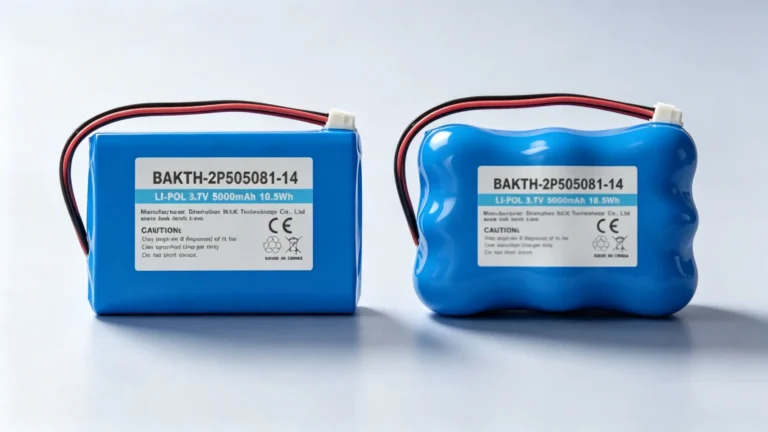
Watch for these clear red flags that your rapid drain stems from permanent internal cell damage:
Critical Safety Note: If you spot battery swelling or constant overheating, discontinue use immediately and arrange certified hazardous waste recycling to avoid thermal runaway risks.
Follow these six standardized rules to slow capacity fade and maintain consistent power output:
Most fast discharge issues are not inherent flaws of lithium chemistry itself—they originate from three core manufacturing shortcuts: substandard raw cell materials, underdeveloped simplified BMS circuitry, and missing dynamic cell balancing functions.
Professionally engineered lithium packs maintain stable capacity retention across thousands of charge cycles, delivering steady, predictable year-round runtime without unexpected power loss.
Virtually every case of rapid lithium battery drain links back to identifiable, solvable root causes, ranging from user charging missteps to low-quality pack construction and natural cell aging.
Lithium-ion power systems deliver reliable long-term performance only when three core standards are met: high-quality factory cell and pack design, consistent scientific daily charging routines, and regular preventative maintenance. Master proper battery handling and invest in fully protected industrial lithium packs to minimize premature power loss and maximize total service life.
A: New packs with rapid power loss almost always stem from cheap unbalanced cells, minimal BMS protection, improper initial charging habits or overheating during first-time use. Premium factory-sorted lithium batteries show consistent slow self-discharge right out of the box.
A: Yes. Temperatures exceeding 40°C accelerate irreversible internal chemical side reactions, raise cell internal resistance, and directly create shorter usable runtime during discharge.
A: Daily full charging creates sustained high voltage stress that breaks down electrolyte and depletes active lithium ions over time. Only fully charge ahead of heavy load or long-distance travel to reduce degradation.
A: Top-tier lithium packs with intelligent BMS last 3–10 years, depending on daily charging practices, operating temperatures and consistent load demands.
A: Occasional emergency fast charging causes negligible wear, but daily high-current charging generates excess heat and lithium dendrite buildup that permanently cuts total cycle life and accelerates fast discharge.