Let's Shape The Future Of Your Investments!
Natoque iaculis cursus augue urna commodo aptent morbi tortor porttitor quis ornare.
![Lithium-ion Battery Manufacturer | BAKTH Battery [Official]](https://bakth-battery.com/wp-content/uploads/2026/05/hideLogo.png)
![Lithium-ion Battery Manufacturer | BAKTH Battery [Official]](https://bakth-battery.com/wp-content/uploads/2026/05/logo.png)
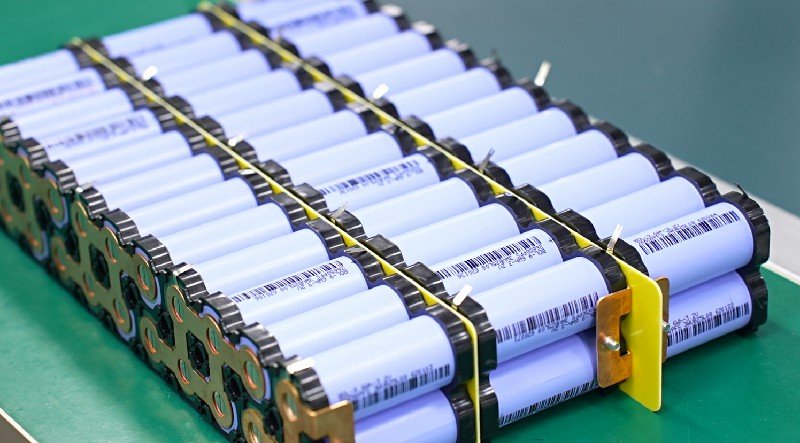
Lithium-ion cells power nearly every portable electronic gadget, electric vehicle and off-grid power system available today. Even with universal adoption, unreliable advice about charging cycles continues to circulate online. Adopting evidence-based charging habits slows internal chemical ageing and preserves usable capacity over years. This guide dispels ten persistent misconceptions about lithium-ion charging.
Every lithium-ion cell relies on the movement of lithium particles between its positive cathode and negative anode during energy transfer. Charging pushes ions toward the anode, while discharging pulls them back toward the cathode. Poor charging routines trigger unwanted chemical reactions inside cells, gradually reducing maximum storage capacity. Understanding this core process makes it easier to avoid damaging usage patterns.
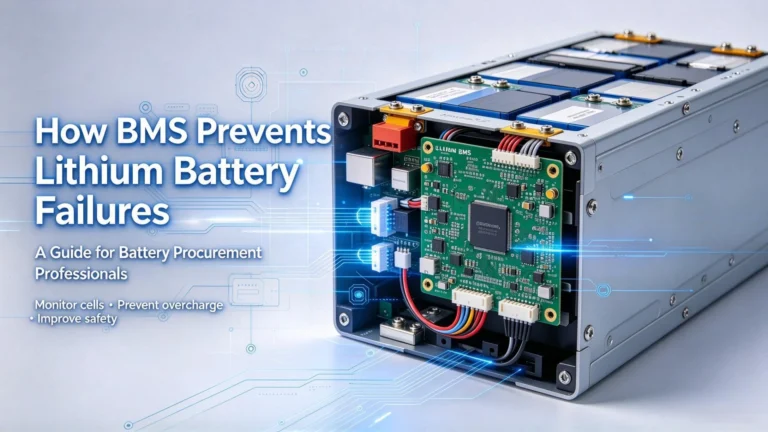
A persistent worry among device owners is that leaving hardware plugged in overnight triggers dangerous overcharging. All modern lithium-ion packs include onboard charge regulation hardware and battery management systems. Once cells hit full capacity, these circuits automatically cut incoming power, eliminating the risk of harmful overcharge events.
While catastrophic overcharging is no longer a threat with contemporary hardware, keeping batteries sitting at maximum voltage for weeks or months creates persistent chemical stress. Long-term storage at a full charge slowly speeds up capacity fade.
Online guidance frequently claims lithium-ion cells must never drop all the way to zero percent charge. Regular deep discharge cycles do accelerate cell wear, but an occasional full drain will not inflict permanent harm to your battery pack.
The real risk comes from repeated deep cycling down to empty. As a practical rule of thumb, plan to begin recharging once your battery hits the 20–30% mark to minimise internal strain.
This outdated guideline originates from nickel-cadmium battery technology, which suffered from well-documented memory effect. Lithium-ion chemistries perform optimally with regular, shallow top-ups instead of complete discharge and recharge cycles.
Repeated deep cycling adds mechanical and chemical stress to electrode materials. Frequent partial charging starting around 20% state of charge helps you achieve the maximum practical cycle lifespan.
Every partial charge contributes toward the total cycle count tracked by battery management software. Even so, lithium-ion cells are engineered to handle frequent shallow charging. Small, regular top-ups place far less stress on cell chemistry than repeated full discharge cycles.
This outdated belief carried over from older rechargeable battery generations. Charging whenever you have the opportunity is a safe, recommended routine for lithium-ion equipment.
Third-party charging hardware poses risks only when specifications conflict with your device or products lack formal safety certification. Trusted aftermarket chargers that match the required voltage and current parameters operate safely alongside lithium-ion batteries.
Hardware delivering mismatched voltage or current levels can degrade cells over time. Steer clear of ultra-low-cost unbranded chargers that omit essential safety cut-off circuits.
Running resource-intensive applications while charging pushes device components to generate extra heat. Elevated temperatures represent the primary driver of premature lithium-ion battery degradation.
High workloads during charging force the battery to sustain simultaneous charging and power delivery, raising internal cell temperature. Whenever possible, limit demanding tasks during charging sessions to keep operating temperatures stable.
A battery that appears completely drained is not guaranteed to be irreparable. Before ordering a replacement, work through basic troubleshooting: test different charging cables and power adapters, reboot the connected device, and attempt slow, low-current charging even if the unit shows no immediate response.
If multiple charging attempts still leave the battery unable to hold usable charge, pack replacement will become necessary.
Cooler temperatures slow down internal chemical activity within lithium-ion cells, but freezing conditions lead to permanent cell damage. Condensation and physical material expansion inside frozen cells break down internal structures irreversibly.
For extended storage scenarios, house lithium-ion batteries inside a cool, dry location at 40–60% state of charge. Refrigerator or freezer storage is never advisable.
Consistent exposure to high temperatures ranks among the leading causes of premature lithium-ion cell failure. Heat accelerates unwanted side reactions inside cells, gradually breaking down electrode surfaces and electrolyte materials.
Keep devices away from direct sunlight, enclosed hot vehicle cabins and poorly ventilated spaces. Maintain sufficient airflow during continuous heavy-load operation.
The ritual of fully cycling new batteries is another leftover practice from legacy battery technology. Lithium-ion cells undergo precise calibration during factory production, and no special full charge or deep discharge conditioning is required before first use.
You can begin operating new lithium-powered equipment immediately after unboxing. Simply follow standard charging best practices to maintain long-term cell health.
Clearing up these pervasive charging misconceptions enables you to build sustainable usage habits that preserve battery performance for consumer electronics, portable power equipment and off-grid lithium systems.
If you are sourcing robust charging hardware built to support lithium battery systems, explore premium DC-to-DC charging solutions designed for mobile power and remote off-grid applications.
A: Integrated BMS and charging regulators halt power delivery once cells reach full capacity, preventing hazardous overcharging. Still, prolonged storage at 100% charge gradually accelerates slow degradation.
A: For everyday use, aim to maintain charge levels between 20% and 80% to reduce continuous cell stress. When preparing batteries for long-term storage, adjust charge to sit between 40% and 60%.
A: Certified aftermarket chargers with matching voltage and current ratings function safely. Avoid cheap unmarked chargers without built-in safety protection circuits.
A: Yes. Sustained high temperatures significantly speed chemical ageing. Avoid charging or storing lithium-powered hardware inside hot, confined spaces.
A: No. Lithium-ion cells do not require initial conditioning cycles. You can start normal operation straight after opening packaging.