Let's Shape The Future Of Your Investments!
Natoque iaculis cursus augue urna commodo aptent morbi tortor porttitor quis ornare.
![Lithium-ion Battery Manufacturer | BAKTH Battery [Official]](https://bakth-battery.com/wp-content/uploads/2026/05/hideLogo.png)
![Lithium-ion Battery Manufacturer | BAKTH Battery [Official]](https://bakth-battery.com/wp-content/uploads/2026/05/logo.png)
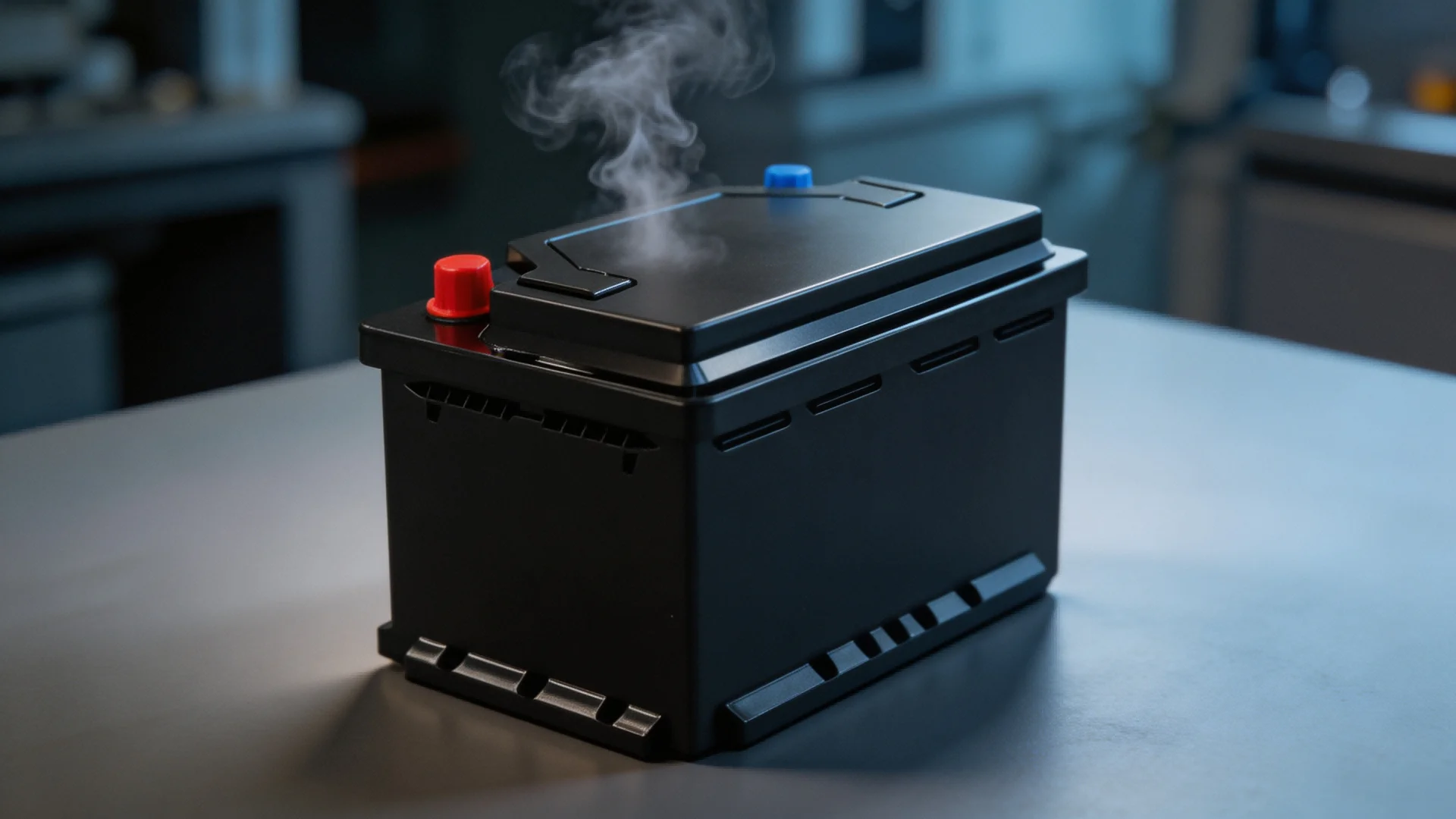
Thermal runaway stands as the most dangerous safety hazard for lithium‑ion batteries found in electric vehicles, industrial storage, portable electronics and robotics. This self‑feeding chemical reaction creates uncontrollable heat build‑up, potentially leading to toxic gas release, fires or cell explosions. Every equipment designer, facility manager and battery user should understand its root triggers, failure stages and practical safety measures to lower risks.
Thermal runaway describes a self‑accelerating, exothermic chain reaction inside a battery cell. Once an internal hot‑spot crosses a critical temperature threshold, chemical decomposition releases extra heat. That additional warmth speeds up further chemical breakdown, creating a dangerous positive‑feedback cycle that cannot easily be halted after ignition.
One failing cell often spreads heat to neighbouring cells across the whole battery pack, a cascading effect called thermal propagation. This domino effect explains why a single‑cell fault can quickly destroy an entire battery assembly.
Thermal runaway never happens spontaneously. One of four categories of abuse or internal defect always acts as the starting catalyst.
Physical harm ranks among the most frequent causes. Punctures, heavy crushing, sharp impacts or extreme bending tear the thin plastic separator film that keeps anode and cathode apart. When these two electrodes touch, an instant internal short‑circuit occurs. Massive, rapid current flow generates extreme local heat and kick‑starts thermal runaway.
Operating batteries outside their safe electrical window creates major hazards. Overcharging pushes voltage past manufacturer limits, encouraging lithium dendrite crystals to grow on the anode surface. Over time these sharp metallic growths pierce the separator layer and create hidden shorts. Charging or discharging far above the battery’s safe C‑rate also generates excessive internal heat and speeds up cell degradation.
Every lithium‑ion formulation has a safe working‑temperature band. Leaving batteries trapped inside sun‑heated vehicles, running machinery beside furnaces, or housing battery packs inside poorly‑ventilated hot cabinets supplies enough starting heat to begin exothermic breakdown reactions. No physical damage or charging fault is required for heat‑triggered failure.
Reputable battery factories use strict quality screening, yet microscopic contamination can slip through. Tiny metal shavings, rough electrode edges, or misaligned internal layers slowly create low‑level internal shorts across hundreds of charge cycles. These small faults gradually produce heat until full thermal runaway finally occurs months or years after production.
Once ignition begins, failure unfolds in a predictable, rapid sequence:
Different cathode materials deliver very different safety margins:
Selecting a battery whose maximum continuous C‑rating sits below your equipment’s actual current draw brings several costly safety‑related downsides:
Adding a safety margin is always recommended. Choose a battery with a continuous C‑rating slightly higher than your equipment’s maximum steady‑state load. This keeps your pack running cooler, extends cycle‑life, and prevents unexpected downtime.
Once full thermal runaway has started inside a lithium‑ion cell, stopping the self‑sustaining reaction is nearly impossible. Emergency responses focus on cooling surrounding cells to block propagation, rather than putting out the active cell fire. For this reason, proactive prevention is far more effective.
Always buy battery packs and matching chargers from trusted manufacturers. Premium‑grade cells undergo strict quality inspection to catch manufacturing defects before deployment. Certified smart chargers monitor voltage levels and stop charging automatically once full capacity is reached. Avoid unbranded, low‑cost battery assemblies with untested safety hardware.
Treat lithium‑ion packs as sensitive high‑energy components. Prevent drops, impacts and puncture damage. Store batteries inside cool, dry locations away from direct sunlight and combustible materials. Immediately retire and safely recycle any battery showing swelling, dents, discoloration, strange smells or abnormal warmth.
Never leave charging batteries unattended for extended periods. Avoid charging batteries on soft, flammable surfaces like beds, sofas or fabric covers. Unplug chargers after completion, or use smart chargers featuring auto‑cutoff functionality. Limit regular fast‑charging use, since sustained high‑C‑rate charging adds long‑term thermal stress.
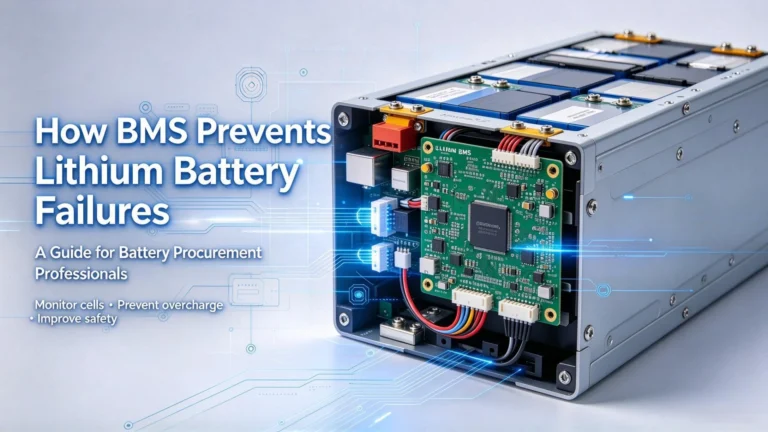
A robust Battery Management System (BMS) acts as the safety brain built inside every reliable lithium‑ion battery pack. It continuously monitors operating conditions and cuts power before dangerous limits are breached. Core monitoring tasks include:
Thermal‑runaway battery fires remain preventable risks rather than unavoidable accidents. By selecting high‑quality battery chemistries, relying on fully functional BMS protection, practising careful handling habits and following safe‑charging protocols, you drastically reduce hazards across industrial, commercial and consumer‑grade battery‑powered equipment. Reach out to battery safety specialists if you require custom‑engineered, low‑risk power‑storage solutions.
A: No. The internal chemical reaction is self‑sustaining. Emergency cooling can stop fire from spreading to nearby battery cells, but you cannot reverse the failed cell’s reaction.
A: No. While LFP chemistry delivers far‑superior thermal stability, severe mechanical damage, extreme over‑charging or high external heat can still trigger failure. Safety protection systems are still mandatory.
A: Visible swelling, unusual overheating during rest or charging, strange chemical odours, hissing noises, smoke or discoloration all require you to stop usage and isolate the battery right away.