



Lithium‑ion batteries power everything from smartphones and laptops to EVs and UPS energy storage. But rated cycle numbers rarely match real‑world results. This guide breaks down typical lifespans, what accelerates aging, and practical steps to slow capacity loss for consumer, automotive and stationary battery packs.
1. What Is Lithium‑Ion Cycle Life?
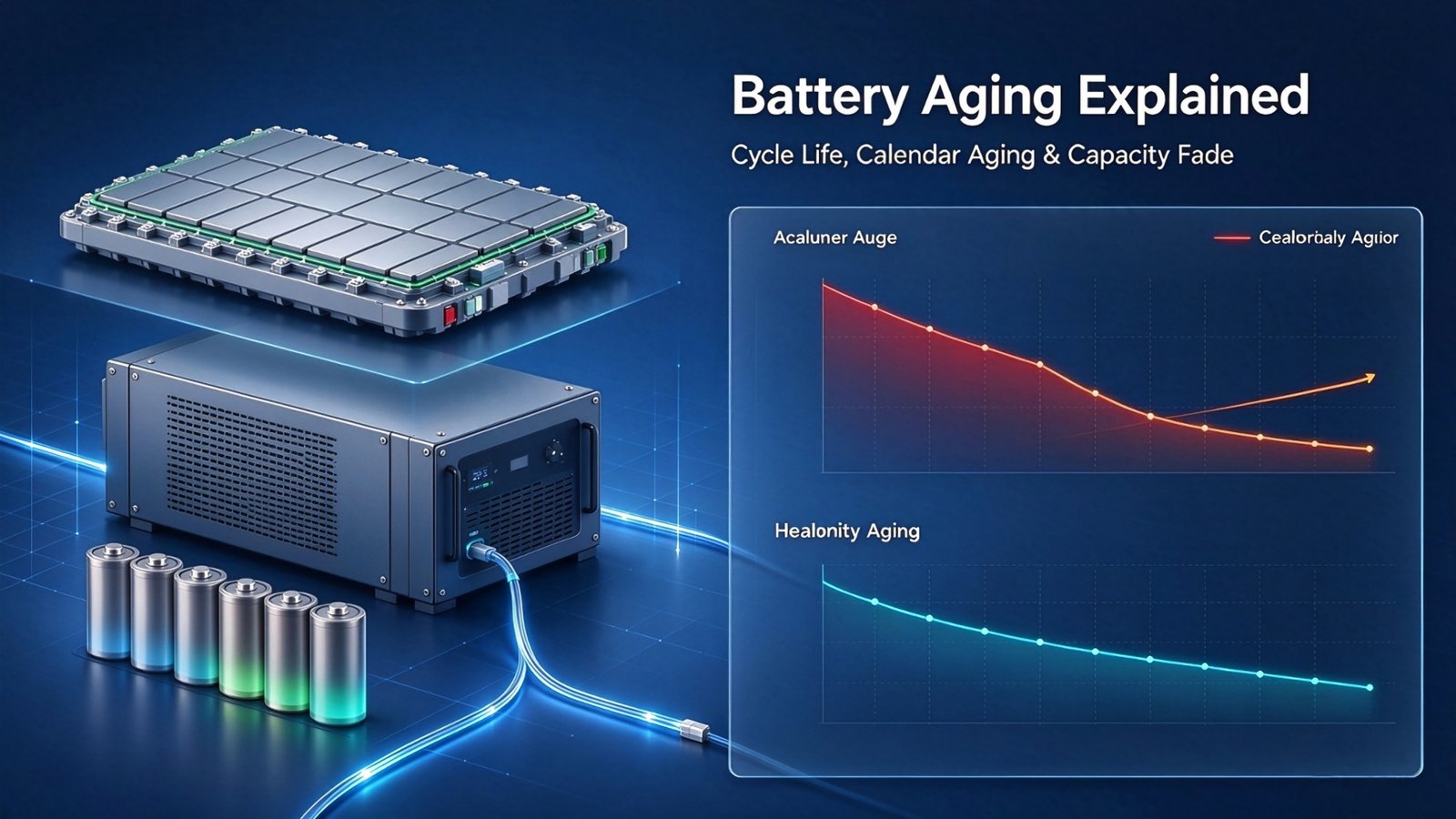
Cycle life describes how many full charge‑discharge cycles a battery can complete before its usable capacity drops to 80% of the original rating, the widely accepted end‑of-life threshold for most lithium‑ion systems. It is critical to separate cycle aging (wear from charging and discharging) from calendar aging, which happens gradually even when the battery sits unused in storage.
Different applications are engineered for vastly different cycle targets:
- Consumer electronics (phones, laptops, power banks): 300–500 cycles. With one full cycle daily, noticeable degradation appears after roughly 1 to 1.5 years.
- Electric vehicle packs: 1000–2000 cycles, translating to 5–8 years of regular driving under moderate conditions.
- Data center / UPS stationary lithium packs: Up to 5000 cycles. In controlled environments, these systems can run reliably for 10 years or longer without replacement.
These are benchmark figures. Real service life always shifts based on chemistry, charging habits, temperature, ingress protection and BMS performance.
2. What Causes Lithium‑Ion Battery Degradation?
Capacity fade comes from ongoing internal chemical side reactions plus external operating stress. Inside the cell, repeated ion movement cracks electrode materials, builds extra solid electrolyte interphase (SEI) layers and reduces the pool of usable lithium. Internal resistance rises over time, slowing charging and cutting runtime.
Environmental exposure is another major driver. The IP rating defines protection against dust and moisture, two hidden threats for industrial and outdoor battery systems.
- The first digit = dust resistance (0–6). IP6 means dust‑tight with zero particle ingress.
- The second digit = water resistance (0–9). IP7 supports temporary submersion at 1 meter for 30 minutes.
Low‑IP packs deployed in humid, dusty locations let contaminants penetrate seals, triggering corrosion, micro‑shorts and much faster aging.
3. Proven Ways to Extend Lithium‑Ion Battery Lifespan
You cannot stop degradation entirely, but these best practices dramatically stretch usable service life for nearly all lithium‑ion chemistries.
Optimize State of Charge and Charging Habits
Forget the old “full discharge to activate” routine designed for nickel batteries. For lithium‑ion:
- Stay within a 20%–80% SOC window for daily use; recharge before dropping below 20% and avoid holding a permanent 100% charge.
- Limit frequent fast charging. High charge current creates localized heat and lithium plating that speeds wear.
- Avoid deep discharge below the manufacturer’s cutoff voltage, which creates permanent electrode damage.
Keep Batteries Within Safe Temperature Ranges
Lithium cells are highly temperature‑sensitive. The sweet spot for stationary storage sits between 15 °C and 25 °C.
- Prevent prolonged exposure to direct sunlight and high heat in summer.
- Add thermal insulation for outdoor cold‑climate deployments; heavy discharge at sub‑zero temperatures stresses the anode.
Perform Routine Inspection and Health Monitoring
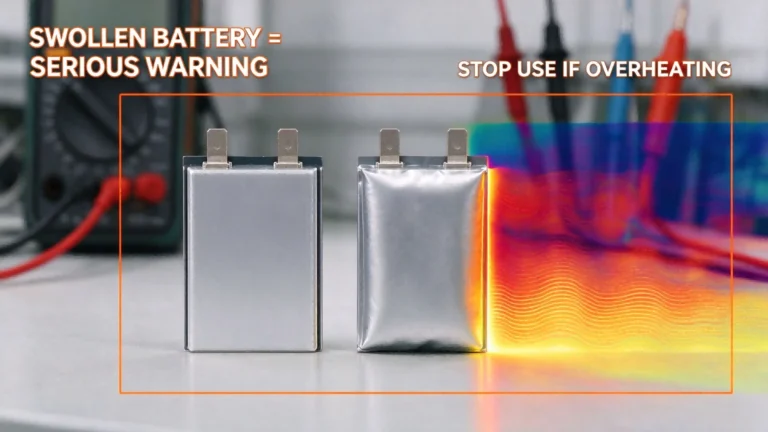
Track battery SOH (State of Health) periodically using built‑in diagnostics or portable testers. Watch for red flags: slower charging, excessive self‑discharge, unusual heat or swelling.
- Keep terminals clean to avoid high‑resistance connections.
- Tighten fasteners on vibration‑prone racks and vehicle mounts to prevent loose wiring and internal short risks.
Select High‑Quality Packs With Robust Protection
Premium lithium‑ion systems include multi‑layer BMS monitoring, thermal management, insulation and fault prediction. Cheap unprotected cells or poorly assembled packs often fail far earlier than their rated cycle count, even with careful use.
4. Frequently Asked Questions
A: Yes, calendar aging continues in storage. Long storage at 100% SOC accelerates side reactions and swelling. The recommended storage level is around 50% SOC, with top‑up charges scheduled periodically.
A: In cool, dry conditions, expect stable performance for roughly 1–3 months before self‑discharge noticeably drops voltage. Long‑term idle storage requires scheduled maintenance charging.
A: Draining cells far below their cutoff voltage damages active electrode materials irreversibly, raising internal resistance and permanently lowering total capacity.
A: Yes. A properly programmed BMS guards against overcharge, over‑discharge, overheating and imbalance — it is the single most important safeguard for long‑term reliability.
A: Higher IP protection reduces dust and water damage, but sealed enclosures can trap heat. The best design balances ingress protection with adequate thermal dissipation.