Lithium‑Ion Battery Overcharging: Impacts on Performance, Lifespan & Safety

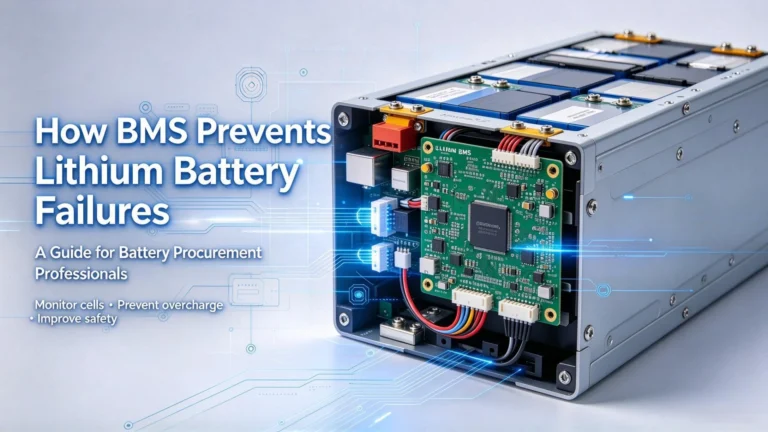
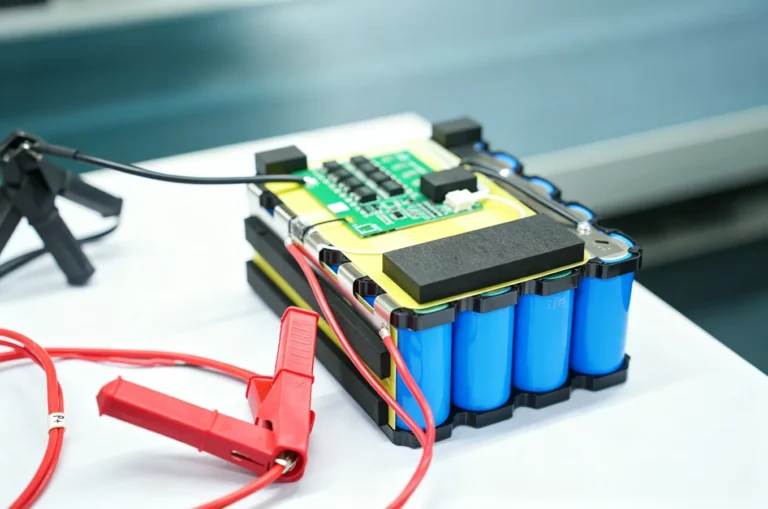
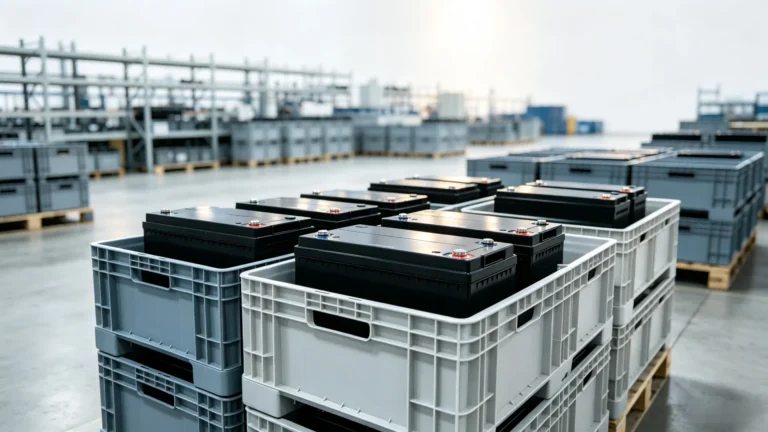
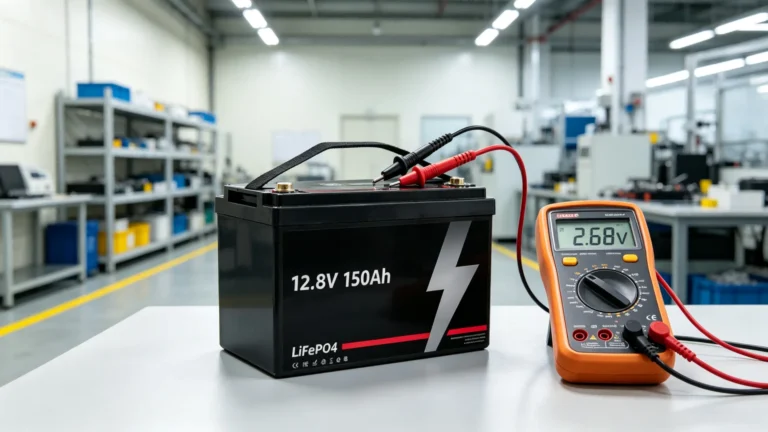
Concept illustration showing risks of lithium‑ion battery overcharging, capacity loss and thermal hazard warning for industrial battery packs

Overcharging ranks among the most abusive conditions for modern lithium‑based batteries. Even short exposure beyond safe voltage limits triggers hidden chemical harm, cuts cycle life, and creates fire risks. This article unpacks real‑world failure modes, internal electrochemical changes, protective hardware, and practical charging habits for consumer and industrial battery systems.


1. What Is Lithium‑Ion Overcharging?

Every lithium‑ion and LiFePO4 cell carries a strict maximum charging voltage rating. Overcharging occurs when charging current keeps flowing after the cell hits that upper voltage threshold. Bare lithium cells possess no self‑limiting ability to halt incoming power. Without proper electronic safeguards, excess voltage disturbs stable electrochemical balance, causing invisible internal damage even when the outer casing appears normal.

Key Consequences of Overcharging

  • Irreversible capacity loss: Lithium plating traps active lithium metal so it can no longer participate in charge‑discharge cycles, permanently shrinking usable capacity.
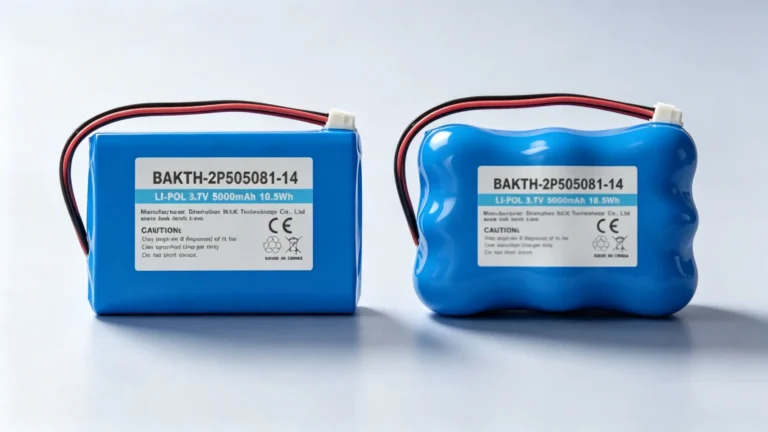
  • Gas buildup and cell swelling: Electrolyte decomposes under overvoltage, generating flammable gas that raises internal pressure and warps cell housings.
  • Lithium dendrite growth: Sharp metallic lithium needles may pierce the separator film and produce latent internal short‑circuit points.
  • Thermal runaway risk: Heat builds exponentially, setting off self‑sustaining exothermic reactions that may lead to smoke, fire or cell rupture.
  • Pack‑wide cascading failure: One damaged overheated cell can propagate heat to neighboring cells inside multi‑cell battery assemblies.
  • Unstable output: Degraded electrodes raise internal resistance, bringing fluctuating voltage and reduced power delivery under load.

2. Internal Electrochemical Damage from Overcharge

Cathode Degradation

Under excessive voltage, cathode crystal lattices (NCM, LCO, LMO) turn unstable and release oxygen. Released oxygen reacts aggressively with organic electrolyte, generating extra heat and combustible gas. Repeated overcharging strips lithium from cathode structures, collapsing the crystal framework and permanently lowering energy storage potential.

Anode Side‑Effects

When charging exceeds safe limits, graphite anodes cannot fully absorb incoming lithium ions. Excess lithium deposits as metallic lithium plating and dendrites across anode surfaces. High heat cracks the thin protective SEI layer; the layer regrows unevenly and thickens, which increases internal resistance and accelerates calendar aging. Electrolyte breakdown also produces hydrogen gas, worsening swelling pressure inside the cell.

Three long‑term damage pathways:

  1. Dendrite penetration creates micro‑short‑circuits that may activate weeks after the overcharge incident.
  2. Cathode structural collapse reduces the total amount of storable energy.
  3. Fragmented, irregular SEI layers waste energy as heat during normal operation.

3. How To Prevent Lithium‑Ion Overcharging

BMS: The Primary Electronic Safety Barrier

A quality Battery Management System acts as the battery’s core safety brain, and is non‑negotiable for multi‑cell packs. Core overcharge‑protection functions include:

  • Per‑cell real‑time voltage monitoring; cuts charging current immediately upon hitting maximum safe voltage.
  • Passive or active cell balancing to eliminate single‑cell overcharge triggered by cell inconsistency within series‑connected packs.
  • Temperature sensing to suspend charging during abnormal thermal spikes.
  • SOC tracking to reduce stress from sustained high‑voltage storage.
  • SOH‑aware adjustment of charging parameters for aged battery units.

Important note: Reliable chargers complement but cannot fully replace BMS protection, since charger faults may still occur.

Practical Charging Best Practices

  1. Always deploy certified, manufacturer‑matched chargers; avoid unregulated no‑name adapters lacking precise voltage cutoff.
  2. Charge within cool, well‑ventilated spaces away from direct sunlight or heat sources. Heat amplifies all overcharge‑related degradation.
  3. Follow the widely accepted 20‑80% rule: stay inside 20%‑80% SOC for day‑to‑day use; only charge to 100% when maximum runtime is required.
  4. For long‑term idle storage, hold SOC between 40‑60%; never store fully‑charged packs for months at a stretch.
  5. Perform periodic visual checks. Cease usage right away if you spot swelling, unusual warmth, or chemical odors.
  6. Minimize unattended multi‑hour overnight charging even with auto‑cutoff hardware.

Material‑Level Safety Features

Hardware‑built‑in safety layers add secondary defence against abuse:

  1. High‑voltage‑stable electrode coatings to stabilize cathode materials.
  2. Electrolyte safety additives that react early to suppress violent side reactions.
  3. Shutdown separators whose resistance rises sharply at dangerous temperatures to restrict current flow.
  4. CID (Current Interrupt Device) mechanical pressure cut‑offs used within many cylindrical metal‑cased cells.

4. Response Steps After an Overcharge Incident

Immediate Emergency Protocol

  1. Disconnect both charger and device loads without delay.
  2. Relocate the battery to an open, fire‑resistant area well away from paper, textiles and other combustible materials.
  3. Allow full natural cooling. Never douse or spray cold liquid onto a hot lithium battery.
  4. Inspect for swelling, leaking fluid, strange smells, or persistent warmth. If any warning sign appears, discontinue use and arrange hazardous‑material recycling.

Can an Over‑Damaged Lithium Battery Be Repaired?

Repair possibilities are very limited:

  • If only the protection circuit fails and cell integrity is verified via professional lab testing, technicians may replace the faulty BMS after identifying root causes such as wiring defects or bad chargers.
  • When cells show swelling, persistent voltage imbalance, or measurable capacity drop, internal chemical harm is irreversible. Repair will not eliminate fire hazards; the battery must go through professional hazardous waste recycling.

Critical reminder: Untrained personnel must never disassemble lithium‑ion packs, as internal shorts can ignite during handling. Unlike lead‑acid batteries, lithium chemistries have no valid “equalization overcharge” maintenance procedure.

5. Closing Thoughts

Overcharging inflicts mostly permanent chemical harm on lithium‑ion and LiFePO4 cells, shortening cycle life while introducing serious thermal‑safety risks. The combination of robust BMS hardware, certified charging equipment, and disciplined charging practices significantly lowers failure odds and extends usable service life for consumer, commercial and industrial lithium battery systems.

6. Frequently Asked Questions

Q1: What is the lithium‑ion 20‑80% charging rule?

A: For regular daily operation, keep state‑of‑charge between 20% and 80%. Limit 100% full‑charge cycles to scenarios that demand maximum runtime, to reduce high‑voltage chemical stress.

Q2: Is storing lithium‑ion batteries at 100% SOC harmful long‑term?

A: Yes. Sustained high voltage speeds SEI‑layer thickening and electrolyte decomposition, accelerating calendar‑time capacity fade. Recommended storage SOC sits between 40%‑60%.

Q3: Are LiFePO4 batteries immune to overcharging damage?

A: No. While LiFePO4 cathodes feature improved thermal stability versus NCM/LCO, over‑voltage charging still causes lithium plating, gas generation and safety hazards. Full BMS protection remains mandatory.

Q4: Is overnight charging dangerous for lithium‑ion batteries?

A: Not categorically catastrophic with working protection circuits, yet extended time spent near maximum voltage accelerates gradual aging. Unattended overnight charging is best avoided as a standard habit.

Q5: Can I fix a swollen lithium‑ion battery after overcharging?

A: No. Swelling signals irreversible internal decomposition. The battery must be safely recycled; attempting repairs creates major fire risks.


Let's start customizing your ideal batteries right away.

Please fill in your contact information in the form, and we will get in touch with you within 24 hours.

Contact Us